
Gardening
Why Heirloom Seeds Are Important for Seed Saving


If you have been involved in the prepper community for even a short time, you are probably aware of the importance of using heirloom seeds for sustaining a vegetable garden for years to come. But why are using heirloom seeds critical for future gardens and for saving seeds?
Heirloom seed varieties are important for seed saving for several reasons:
Genetic diversity
Heirloom varieties represent a vast array of genetic diversity that has been developed and preserved over generations. This diversity allows for adaptation to different climates, soil conditions, and pests. Saving heirloom seeds helps to maintain this genetic diversity, ensuring a more resilient and adaptable food system.
Open-pollination
Heirloom plants are open-pollinated, meaning that they are pollinated by natural means such as wind, insects, or birds. This allows the seeds to produce plants that are true to type, ensuring that the next generation will have the same characteristics as the parent plant. In contrast, hybrid seeds are created by controlled cross-pollination and may not produce plants with the same traits as their parents, making them unsuitable for seed saving.
Preservation of cultural heritage
Many heirloom varieties have been passed down through generations and carry with them a rich cultural history. Saving heirloom seeds helps to preserve the stories, traditions, and culinary heritage associated with these plants.
Unique flavors and characteristics
Heirloom vegetables often have distinct flavors, colors, and textures that are not found in commercially grown produce. Many are shocked how flavorful produce from heirloom seeds are. Saving seeds from these varieties allows gardeners to enjoy a diverse range of tastes and appearances in their homegrown vegetables.
Adaptability
Heirloom plants are often better adapted to specific growing conditions and climates than commercial varieties, which are typically bred for high yields and uniformity. By saving seeds from heirloom plants that thrive in your garden, you can develop a collection of varieties that are well-suited to your specific growing conditions.
Sustainability
Saving seeds from heirloom plants reduces dependence on commercial seed companies, promotes self-sufficiency, and encourages sustainable gardening practices. By cultivating and saving seeds from heirloom varieties, gardeners can contribute to a more resilient and diverse food system.
Environmental benefits
Preserving heirloom varieties and practicing seed saving can help promote biodiversity and support healthy ecosystems – all things that are critical in a survival situation. Diverse plantings attract beneficial insects, birds, and other wildlife, contributing to a more balanced and sustainable environment.
Heirloom seed varieties are important for seed saving as they contribute to genetic diversity, cultural heritage preservation, unique flavors, adaptability, sustainability, and environmental benefits. And most importantly, they are a sustainable source of seeds for a prepper garden in the event of a long-term emergency requiring you to grow your own produce as a long term food solution. Saving and sharing heirloom seeds ensures that these valuable plant varieties continue to thrive for future generations.

Gardening
The Top 20 Heirloom Seed Varieties Every Prepper Should Stock
Want a reliable, self-sufficient food source no matter what hits the fan? These 20 heirloom seed varieties are nutritious, easy to grow, and perfect for your survival garden.

When it comes to long-term food security, your pantry is only part of the equation. A well-stocked prepper seed vault gives you the power to grow fresh, nutritious food no matter what’s going on in the world. But not all seeds are created equal, and when space, time, and resources are limited, you need varieties that work hard for you. That means crops that are easy to grow, packed with nutrients, and proven to store well or produce high yields you can preserve.
This guide focuses on 20 powerhouse seed varieties that every serious prepper should consider stocking. These aren’t just generic “vegetables.” They’re specific heirloom strains that offer strong genetics, saveable seeds, and maximum nutritional return. From calorie-rich staples like potatoes and corn to vitamin-dense greens and medicinal all-stars like garlic and cayenne, every seed on this list earns its place in a survival garden by helping you eat well, stay healthy, and stay independent.
Whether you’re working with a backyard homestead, a few raised beds, or even just a container garden, you can build resilience from the ground up. And it all starts with choosing the right seeds, ones that are time-tested, prepper-approved, and ready to grow when you need them most.
Why Heirloom Seeds Matter for Preppers
When you’re prepping for long-term survival, not just any seed will do. You want heirloom seeds because they’re open-pollinated, non-GMO, and produce plants you can save seeds from year after year. No more relying on stores or supply chains. You grow it, you harvest it, you plant again.
The seeds below were chosen for three reasons:
- Ease of growth — Even if you’re new to gardening.
- Nutritional value — These are calorie-dense or packed with essential vitamins.
- Versatility — Useful in a variety of meals or storage methods.
While you can use non-heirloom seeds, you will miss out on the opportunity to grow from the seeds you harvest. But some preppers do keep non-heirloom seeds in their stockpile, especially when seeds are on sale, since they tend to be far cheaper than heirloom varieties, and they are good for bartering.
1. Yukon Gold Potato (via slips or seed potatoes)
Yukon Golds are one of the most prepper-friendly staples because they pack a punch in both calories and comfort. Though not grown from seeds but from slips or seed potatoes, they’re a must-have in any survival garden. These golden-fleshed tubers are incredibly versatile, as you can mash, roast, fry, or boil them and they store well through the winter with minimal effort. They’re high in vitamin C, potassium, and fiber, and they grow in containers, bags, or bins, making them ideal even for those with limited space. You’ll get a solid calorie return for the effort you put in, which is exactly what a survival garden should deliver.
Why it’s great: One of the most calorie-dense crops you can grow. Stores well in cool, dark areas and keeps you full.
Bonus: Can be grown in buckets or trash cans if space is tight.

- Fresh 2022 Potato Seed Ready For Spring Planting
2. Stowell’s Evergreen Sweet Corn
This heirloom sweet corn has been a favorite since the 1800s for a reason. It’s reliable, prolific, and packed with natural sugars that make it incredibly tasty. More importantly for preppers, the cobs can be harvested early for fresh eating or left to dry for storage. The dried kernels can be ground into cornmeal or rehydrated for soups and stews. Stowell’s Evergreen matures a bit later than hybrid varieties but offers better seed-saving potential and strong, tall stalks that also serve as windbreaks or trellises in the garden.
Why it’s great: High-calorie staple that grows fast. Can be eaten fresh, frozen, or dried and ground into cornmeal.
Bonus: The dried cobs can also be used for fire-starting.
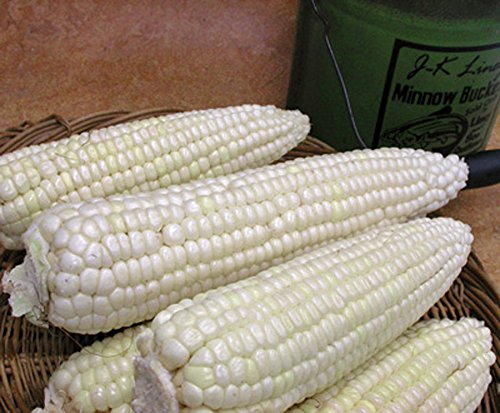
- HEIRLOOM, NON-GMO, WHITE
3. Cherokee Trail of Tears Black Bean
Originally carried on the Trail of Tears in the 1830s, this bean has literal survival history behind it. The vines grow fast and produce dark, glossy beans that are rich in protein and fiber, two nutrients critical during food shortages. They’re pole beans, which means they take up vertical space instead of spreading across the ground, ideal for tight gardens. Once dried, the beans store for years in a cool, dry place and are an excellent trade good in post-collapse barter scenarios.
Why it’s great: Protein-packed and historically grown for survival. A climbing variety that’s ideal for vertical gardening.
Bonus: Once dried, these beans store for years.
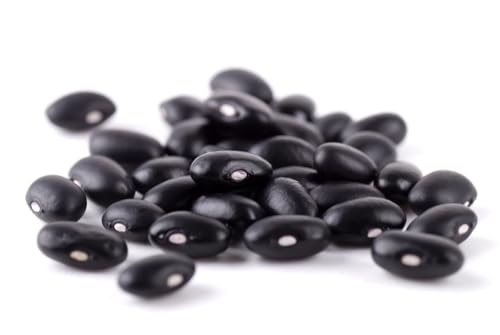
- NON-GMO BEANS: Excellent dry bean with good taste and texture.
4. Amish Paste Tomato
This variety is one of the best dual-purpose tomatoes you can grow: firm enough for slicing but perfect for canning, saucing, and drying. Amish Paste tomatoes produce large, meaty fruit with few seeds and low water content, making preservation a breeze. They’re indeterminate, which means they’ll keep producing until frost. Tomatoes are high in antioxidants, especially lycopene and vitamin C, and having a reliable paste variety means your tomato sauces, soups, and stews won’t taste like water.
Why it’s great: Meaty and low-moisture, perfect for sauces, soups, and sun-drying.
Bonus: High in vitamins A and C. Great for canning.
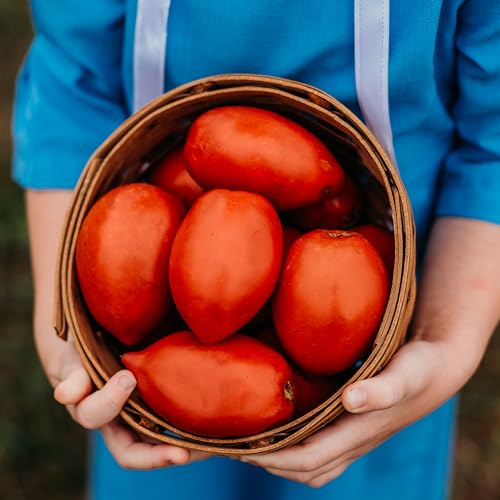
- Classic Heirloom – The Amish Paste tomato is a beloved heirloom paste tomato discovered in...
5. Danvers Half Long Carrot
This carrot variety was bred for average soils and performs well even if your ground isn’t perfectly sandy. The roots grow to a manageable length, making them easier to harvest and store. Carrots are loaded with beta carotene, which converts into vitamin A, an essential nutrient for eye health and immune function. Store harvested carrots in damp sand or sawdust in a root cellar to keep them fresh for months. In a grid-down world, that kind of storage potential is priceless.
Why it’s great: Grows well in average soil. Packed with beta carotene, fiber, and vitamin K.
Bonus: Stores for months in root cellars or sand.
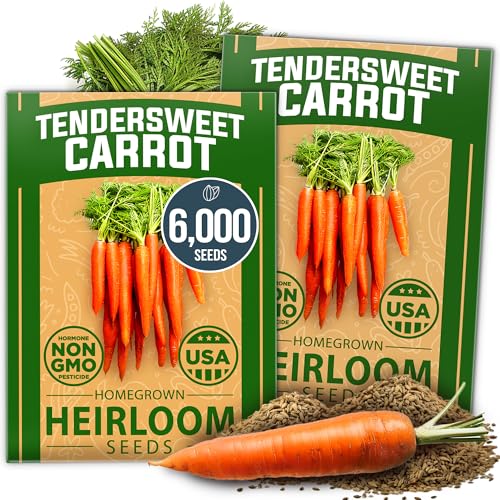
- HARVEST VEGETABLES WITH CONFIDENCE - Grow a thriving garden with our carrot seeds for planting....
6. Georgia Southern Collards
Collards are among the toughest leafy greens you can grow. Georgia Southern is heat-tolerant, cold-hardy, and thrives in many soil types, which means it just keeps producing. The broad, dark green leaves are rich in calcium, vitamin A, and fiber. You can harvest leaves continuously, which makes this a great pick for staggered harvests and ongoing nutrition without reseeding. As a bonus, collards hold up well in the freezer and can be blanched and stored for winter use.
Why it’s great: Heat-tolerant, cold-hardy, and loaded with vitamin C, A, and calcium.
Bonus: Continual harvest leaves keep giving without replanting.
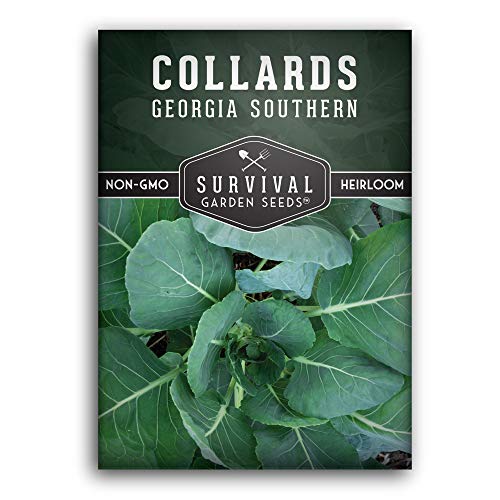
- NUTRITIOUS LEAFY GREEN – Georgia Southern collards produce large tender leaves packed with...
7. Yellow Sweet Spanish Onion
Big, flavorful, and relatively easy to grow, this long-day heirloom onion offers great yield and long-term storage potential. Onions are a base for nearly every savory dish and add both flavor and immune-boosting compounds like quercetin. Once cured and stored in a dark, cool location, these onions can last for months without refrigeration. The variety is also a strong performer in most North American zones, making it a reliable addition to your prepper garden.
Why it’s great: A long-day heirloom with huge bulbs that store well. Good source of vitamin C and flavor enhancer.
Bonus: Also excellent for dehydration and powdering.
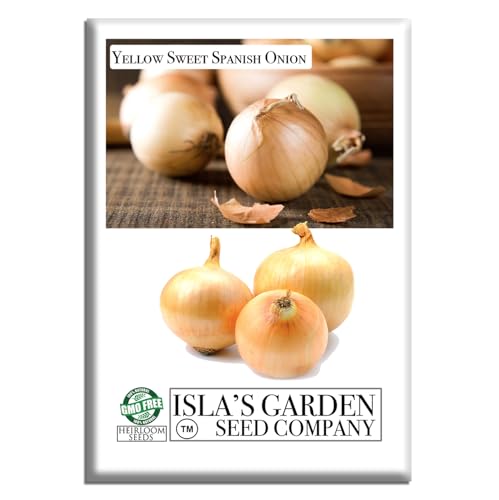
- 🧅 Fantastic addition to your home garden! Plant produces extra jumbo size white onions. Bulbs are...
8. Elephant Garlic (grown from cloves)
While technically a type of leek, elephant garlic grows like traditional garlic but with much larger cloves. Its milder flavor still brings the antimicrobial, anti-inflammatory benefits of regular garlic. In survival situations, garlic can double as both food and medicine, helping to fight infections and boost immunity. Elephant garlic is planted in fall and harvested in late spring or early summer, and its large bulbs can be stored for 6–10 months in a cool, dry place.
Why it’s great: Strong medicinal and antimicrobial properties. Adds big flavor to basic survival foods.
Bonus: Store bulbs for months and replant cloves easily.

- Store bought garlic just cannot compare, and being able to use all those beautiful green garlic...
9. Waltham 29 Broccoli
This heirloom broccoli produces compact heads followed by smaller side shoots, which means multiple harvests from one plant. Waltham 29 thrives in cooler weather and is frost-tolerant, extending your growing season into fall or starting early in spring. Broccoli is rich in fiber, vitamins C and K, and antioxidants. It can be blanched and frozen or dehydrated to extend its usefulness long after harvest.
Why it’s great: Cool-weather crop rich in vitamins K and C. Produces a main head plus side shoots for multiple harvests.
Bonus: Great for freezing.
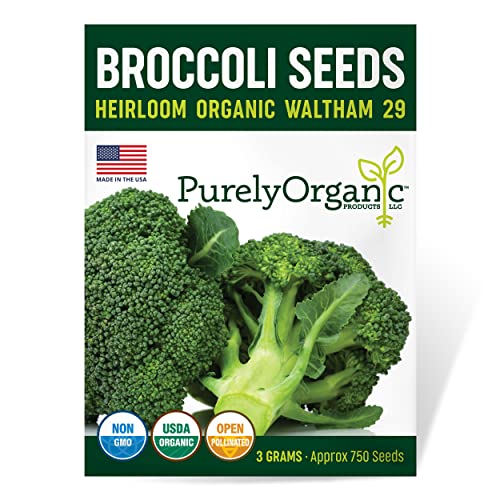
- Brassica Oleracea Var. Italica: These finest quality, non-GMO, USDA Organic Waltham 29 Broccoli...
10. Boston Pickling Cucumber
This fast-growing, heirloom cucumber is known for producing loads of crisp, 3–6 inch fruits ideal for pickling. It thrives in warm weather and can be grown in small spaces if trellised. Cucumbers aren’t just refreshing, they’re also high in water content, which helps with hydration during hot summer months. With simple vinegar, salt, and spices, you can turn these into shelf-stable pickles for your pantry or bug-out bag.
Why it’s great: Fast-growing and great raw, fermented, or pickled for long-term storage.
Bonus: Just a few plants will yield buckets of cucumbers.
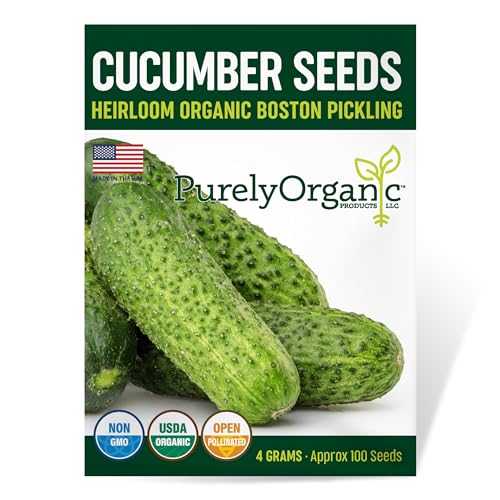
- Organic Cucumis Sativus Seeds: Premium Boston Pickling Cucumber seeds have high germination rates...
11. Bloody Butcher Dent Corn
This striking red heirloom corn dates back to the 1840s and is prized for making flavorful cornmeal. Dent corn is not sweet like fresh-eating corn but offers far more value for survival situations. Bloody Butcher can be dried on the stalk, stored for years, and ground into grits or flour. It also makes excellent livestock feed if you’re building a more self-sufficient homestead.
Why it’s great: Red heirloom corn high in nutrients. Best for grinding into cornmeal or grits.
Bonus: Gorgeous and long-storing.

12. Mammoth Grey Stripe Sunflower
These towering plants offer more than beauty. The seeds are high in healthy fats, calories, and protein, essential in a survival diet. Sunflower seeds can be roasted and stored or pressed into oil if you have the setup. The dried stalks can also be used as kindling, and the plant itself draws pollinators into your garden. Few plants give as much nutritional value per square foot.
Why it’s great: Grows tall and strong. Produces large edible seeds high in fat, protein, and calories.
Bonus: Pollinator-friendly, and stalks can be used for trellising.
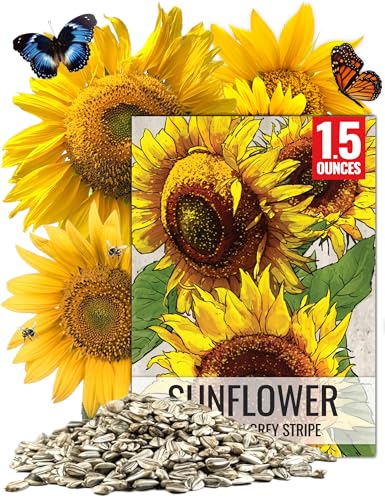
- Sunflower Seeds: Grow Mammoth Sunflowers from seed in your outdoor garden. Can be planted to produce...
13. Black Seeded Simpson Lettuce
This is one of the easiest and fastest lettuces you can grow. It germinates in cool temperatures and matures in as little as 35 days, making it a go-to for fresh greens when other crops aren’t ready. Black Seeded Simpson produces tender, sweet leaves perfect for salads or wraps. It’s not as nutrient-dense as kale or collards, but it adds variety, vitamins, and fresh crunch to meals when it counts.
Why it’s great: Incredibly fast-growing, mild, and easy to harvest repeatedly.
Bonus: One of the first things ready in your survival garden.
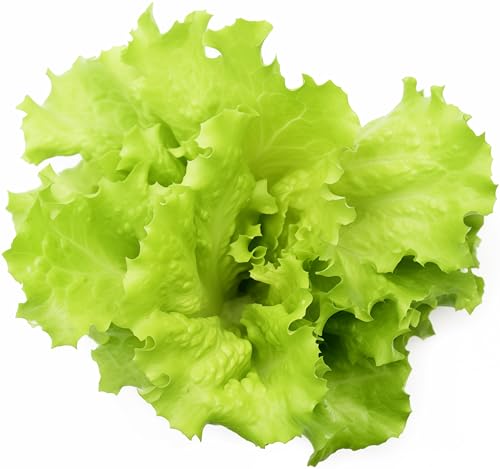
- This lettuce is well known for its sweet flavor. Best if harvested in the morning.
14. Golden Zucchini
Zucchini is infamous for overproducing, which is exactly what you want in a survival scenario. This golden heirloom variety adds color and mild flavor, and it works in both savory and sweet dishes. You can dehydrate slices for chips, freeze grated zucchini for baking, or eat it fresh. Golden zucchini grows well even in containers, which makes it accessible for urban preppers or those with small garden plots.
Why it’s great: Prolific producers that grow quickly in most conditions. High in vitamin C and fiber.
Bonus: Can be shredded and frozen, dehydrated, or used fresh.

- BRIGHT YELLOW ZUCCHINI SEED VARIETY - Golden zucchini (Cucurbita pepo) produces smooth gold colored...
15. Provider Bush Bean
This early, productive bush bean lives up to its name. It germinates in cool soil and resists common bean diseases. The pods are tender and flavorful when picked young, but can also be left to mature and dry for long-term storage. Beans are a fantastic source of plant-based protein and fiber, and they store for years in airtight containers. Provider is compact, low-maintenance, and reliable, everything a prepper needs.
Why it’s great: A true workhorse. Early, disease-resistant, and productive.
Bonus: Can be eaten green or dried for long-term storage.

- Renowned for its crisp texture and fresh taste. Pick when young for best flavor.
16. Cayenne Pepper
Spicy, medicinal, and an incredible preservative, cayenne is a small plant with big prepper value. These peppers can be dried whole or ground into a powder for seasoning, food preservation, or even pain-relief salves. Cayenne increases circulation and supports immune health. Once dried and stored in a cool, dark place, cayenne powder lasts for years and holds its potency. It’s also a great crop for bartering.
Why it’s great: Adds flavor, acts as a natural preservative, and has medicinal value (circulatory health).
Bonus: Dried cayenne powder lasts forever and makes excellent trade goods.
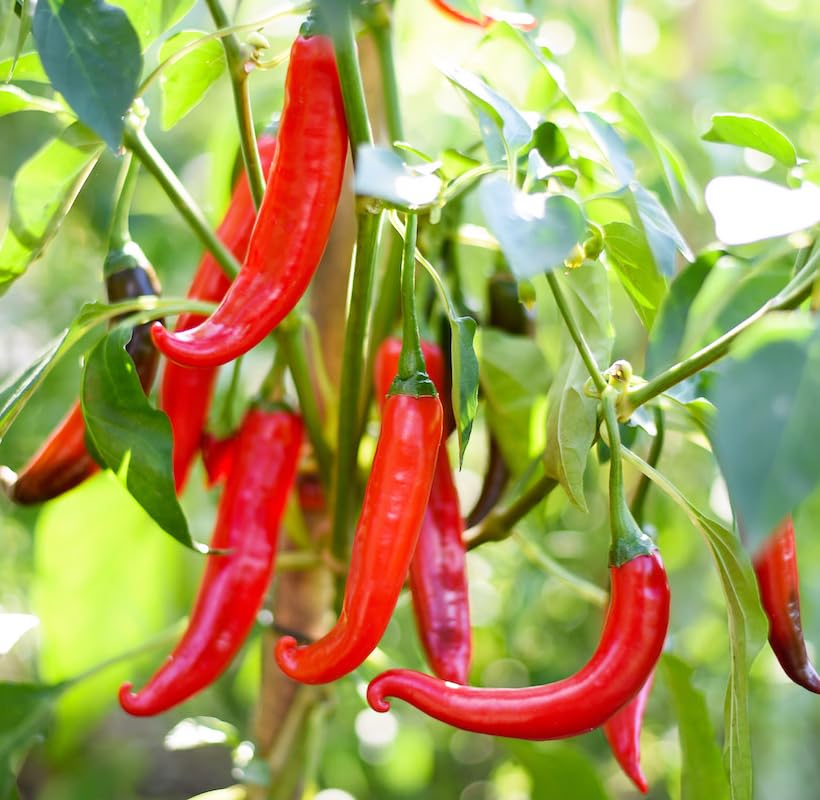
- You may need to start your cayenne seeds indoors with a potting mix if you live in a cool climate....
17. Beauregard Sweet Potato (via slips)
Another slip-grown crop, Beauregard sweet potatoes are fast-maturing, high-yielding, and loaded with vitamin A and fiber. They’re much more nutrient-dense than white potatoes and can be stored for 6–12 months once cured. The greens are also edible and can be cooked like spinach, giving you a dual-purpose plant. Sweet potatoes love the heat and are ideal for Southern climates or greenhouse growing in colder zones.
Why it’s great: Dense in calories, fiber, and vitamin A. Grows well in warm climates.
Bonus: Stores incredibly well when cured properly.

18. Moon & Stars Watermelon
This unique heirloom produces sweet, juicy fruit that hydrates and nourishes during the hottest months. Watermelon might seem like a luxury, but in a survival garden, it’s a morale booster and water source. The seeds can also be roasted for protein, and the rinds can be fermented or pickled. Moon & Stars is a stunning variety that also supports biodiversity and pollinator attraction.
Why it’s great: High water content for hydration in hot climates. Seeds can also be roasted for extra protein.
Bonus: Keeps surprisingly well in a cool pantry.
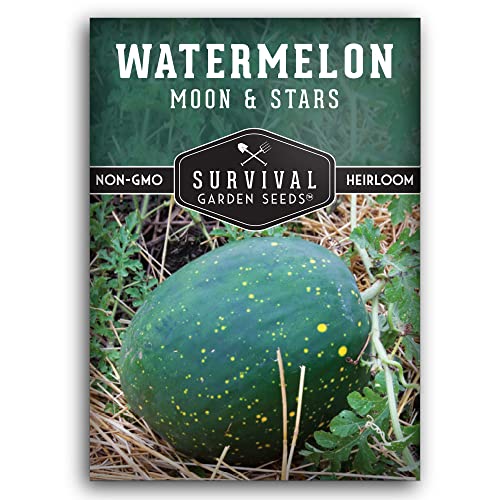
- EXOTIC MOON AND STARS RIND - Moon and Stars watermelon seeds grow dark green melons patterned with...
19. Purple Top White Globe Turnip
Fast-growing and cold-hardy, turnips offer two harvests in one: peppery roots and vitamin-rich greens. They’re a perfect fall or early spring crop that can help fill gaps when other produce is scarce. Turnips store well in root cellars and can be pickled, mashed, or cubed for stews. Purple Top is a reliable, heritage variety that matures in as little as 55 days.
Why it’s great: Grows fast and gives you both edible roots and greens. Rich in fiber and vitamin C.
Bonus: Excellent for winter harvesting.
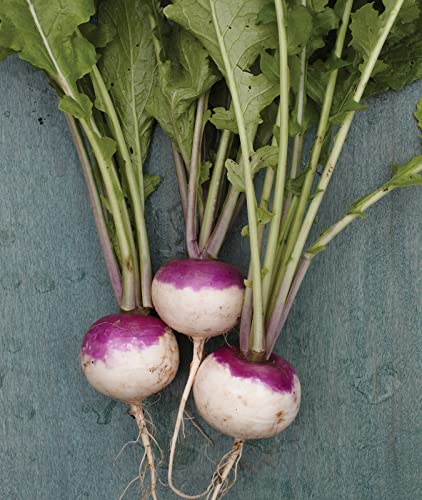
- A timeless Heirloom Turnip variety, with Sweet and tender White roots
20. Bloomsdale Long Standing Spinach
Spinach can be tricky in hot climates, but Bloomsdale is slower to bolt and more tolerant of variable weather. It’s an early spring or late fall green that provides iron, magnesium, and folate—all important for women’s health and energy. Spinach is perfect for fresh eating, freezing, or dehydrating into powder. You’ll want this powerhouse green in your seed vault for both nutrition and garden diversity.
Why it’s great: Cold-hardy and full of iron, calcium, and vitamins A and C.
Bonus: Freeze, dehydrate, or can—easy to preserve.
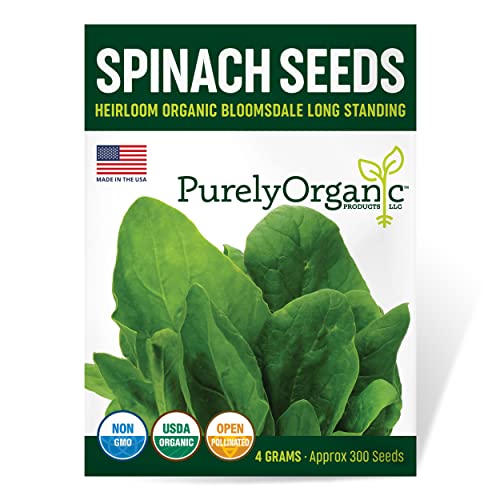
- Spinach Oleracea: These finest quality, non-GMO, USDA Organic Bloomsdale Spinach Seeds will produce...
Survivalist Chick’s Tips for Seed Storage
- Store seeds in Mylar bags with oxygen absorbers for long-term shelf life
- Keep seeds cool and dry, ideally under 50°F in an airtight container
- Rotate your seeds by growing and saving a fresh batch every 1–2 years
- Learn seed-saving techniques so you never run out, even if stores do
Final Thoughts from Survivalist Chick
A good seed stash is more than just prepping, it’s freedom. It means you’re not at the mercy of a broken food system, and you’ve got the skills to grow what your family needs. With the right heirloom seeds, a little dirt, and determination, you’ll feed yourself for generations. Don’t just stock up. Grow up strong.
You’ve got this!
—Survivalist Chick

Starting a garden doesn’t have to be complicated or overwhelming, especially when you focus on beginner-friendly crops that are forgiving, fast-growing, and rewarding. Whether you’ve got a backyard, a balcony, or just a few raised beds, the key is to choose plants that offer a high success rate even if you’re still learning the ropes. These crops are perfect for practicing essential skills like watering, weeding, and harvesting without the pressure of perfection.
For new gardeners, early wins can build confidence and momentum. Watching your first seeds sprout, grow, and produce something edible is incredibly satisfying and addictive in the best way. Plus, growing your own food puts you one step closer to food independence, especially in uncertain times. It’s not just about having fresh produce at your fingertips; it’s about knowing you can provide for yourself and your family when it really matters.
The best part? Many beginner crops are also staples in most kitchens. From crisp lettuce to juicy tomatoes and hearty root veggies, these plants are not only easy to grow but also versatile to cook with. Some even thrive in containers or vertical spaces, making them ideal for small plots or urban setups.
In this guide, we’ll walk you through the easiest crops to grow when you’re just getting started. These plants offer a great return on your effort and can teach you the basics of tending a garden season after season. Let’s dig in.
Grow your own food with confidence, even if you’ve never planted a seed before.
Why Start with Easy Crops?
If you’re new to gardening, starting with forgiving plants helps build your skills and your confidence. These crops don’t demand perfection, they teach you how to work with your local climate and soil, and they give you quick, edible rewards that taste better than anything store-bought.
These aren’t fussy plants, they’re resilient, productive, and perfect for a prepper’s pantry. Whether you’ve got a full backyard, a few raised beds, or just some containers on a patio, you can grow these.
1. Lettuce
Fast-growing and perfect for containers or shady spots.
- Ready in as little as 30 days
- Harvest outer leaves while the plant keeps growing
- Prefers cool temps, so great for spring and fall
2. Carrots
Just sow, water, and wait.
- Thrive in loose, sandy soil
- Choose shorter varieties for containers (like ‘Parisian’ or ‘Little Finger’)
- Water consistently to avoid splitting
3. Garlic
Plant once, harvest months later with little work.
- Plant in fall, harvest in summer
- Needs well-drained soil and full sun
- Bonus: repels pests in the garden
4. Green Beans
Almost foolproof and highly productive.
- Pole beans climb; bush beans stay compact
- Produce for weeks once they start
- No need to soak seeds—just direct sow
5. Cherry Tomatoes
Easier and more reliable than full-size varieties.
- Grow well in containers with full sun
- Sweet, snackable, and prolific
- Stake or cage early for support
6. Green Onions (Scallions)
Perfect for small spaces and windowsills.
- Quick to grow and harvest
- Regrow from kitchen scraps
- Don’t need much depth
7. Potatoes
Fun to grow and great for food security.
- Grow in bags, buckets, or deep beds
- Mound soil as they grow for bigger yields
- Harvest when vines die back
8. Zucchini
Reliable and often over-productive.
- Needs space or a large container
- Produces fruit quickly
- One plant can feed a family
9. Sugar Snap Peas
Sweet, crunchy, and cool-weather friendly.
- Easy to grow from seed
- Climb trellises, perfect for vertical gardens
- Great for spring and fall growing
10. Herbs (Basil, Mint, Oregano, Chives)
Low-maintenance and perfect for beginners.
- Grow indoors or out
- Great for boosting flavor in emergency meals
- Mint spreads fast, always keep it in a pot
Survivalist Chick Tips for Beginner Gardeners
- Start small: A few containers on a balcony can grow real food.
- Learn as you go: Failures teach just as much as successes.
- Journal your results: Track what works and when you plant/harvest.
- Grow what you eat: No point in growing kale if you hate kale.
- Practice seed saving: That’s how you go from gardener to homesteader.
Final Thoughts from Survivalist Chick
You don’t need a farm, fancy tools, or even much experience to start growing your own food. Just dirt, seeds, sunlight and a little stubbornness. These crops will give you early wins, build your confidence, and show you that yes, you absolutely can feed yourself.
Food security starts with your own two hands.
So grab a trowel, get your nails dirty, and start planting.
You’ve got this.
—Survivalist Chick

Survival gardening is something that many preppers are keen to learn about. Gardening can be a rewarding and therapeutic hobby, providing fresh and nutritious produce for your table. But for beginners, it’s essential to choose vegetables that are easy to grow and maintain, ensuring a successful and enjoyable gardening experience – and before you need to start gardening in a critical emergency situation.
By starting with straightforward, low-maintenance vegetables, novice gardeners can build their skills and confidence while reaping the benefits of homegrown food. Then as you get more experienced, you can begin growing vegetables that require a bit more maintenance and care to expand your veggie gardening knowledge.
The following ten vegetables are ideal for beginners getting started on a survival garden
Radishes
Radishes are one of the fastest-growing vegetables, taking just 3-4 weeks from planting to harvest. They prefer well-draining soil and can be sown directly in the ground. Thin seedlings to about 2 inches apart and keep the soil consistently moist.
Lettuce
Lettuce is a cool-season crop that grows quickly and can be harvested as soon as leaves are large enough to eat. Sow seeds directly into the garden, and thin seedlings to 8-12 inches apart. Keep the soil moist and provide some shade during hot weather.
Spinach
Spinach grows well in cool temperatures and can tolerate some frost. Sow seeds directly into the garden, and thin seedlings to 4-6 inches apart. Keep the soil consistently moist and harvest leaves as needed.
Green beans
Green beans are easy to grow and can be sown directly into the garden after the last frost. Bush beans are more compact and require less support than pole beans. Plant seeds 1-2 inches deep and 3-4 inches apart, and keep the soil consistently moist.
Cherry tomatoes
Cherry tomatoes are more forgiving than larger tomato varieties and can be grown in containers or the ground. Start seeds indoors 6-8 weeks before the last frost, then transplant seedlings outside after the danger of frost has passed. Provide support with cages or stakes, and water consistently.
Zucchini
Zucchini is a fast-growing warm-season crop that produces an abundant harvest. Plant seeds directly in the garden after the last frost, spaced about 3 feet apart. Water consistently and provide support to prevent the plant from sprawling.
Peas
Peas thrive in cool temperatures and can be planted as soon as the soil can be worked in the spring. Sow seeds directly into the garden, spaced 1-2 inches apart. Provide a trellis or netting for support, and keep the soil consistently moist.
Swiss chard
Swiss chard is a leafy green that can tolerate a range of temperatures. Sow seeds directly into the garden, spaced 6-12 inches apart. Keep the soil consistently moist, and harvest outer leaves as they grow, leaving the inner leaves to continue producing.
Cucumbers
Cucumbers are a warm-season crop that can be grown on the ground or trained up a trellis. Plant seeds directly into the garden after the last frost, spaced about 18 inches apart. Water consistently and provide support for climbing varieties.
Carrots
Carrots prefer loose, well-draining soil and can be sown directly into the garden. Thin seedlings to 2-3 inches apart, and keep the soil consistently moist. Carrots can take 2-3 months to reach maturity, depending on the variety.
Growing your own vegetables is a fulfilling and eco-friendly way to enjoy fresh, healthy produce, and to supplement your family’s food supply, both during non-emergency situations and when you are in an emergency situation or living off grid without easy access to a grocery store for fresh food.
By choosing easy-to-grow vegetables, beginner gardeners can quickly develop their skills and enjoy the fruits of their labor under a less stressful situation. These ten vegetables are perfect for getting started, offering a variety of tastes and textures to add to your meals.
As you gain experience and confidence, you can expand your garden to include a wider range of crops, further enhancing your home-cooked meals and deepening your connection to the natural world. Happy gardening!

15 Tasty Ways to Use Dehydrated Veggies in Survival Meals

How to Cook Without Power: 10 No-Electricity Meal Hacks That Actually Work

20 Things You Should Have in Your First Aid Preps, But Probably Don’t

How to Prepare for Power Outages: A Guide to Staying Safe When the Lights Go Out

How to Pack Your Vehicle for a Fast Evacuation With Kids: Family-Friendly Systems That Work

Beyond Coffee: 11 Caffeine Sources Every Survivalist Should Prep For

15 Easy Ways to Make Plain Rice Taste Amazing (Prepper & Budget-Friendly Hacks)

18 Canned Goods Everyone Should Stockpile for a Prepper Pantry

10 Survival Skills Every Woman Should Know Before the Grid Goes Down

30+ Foods with a Long Shelf Life Every Survivalist Chick Should Stock Up On

- 15 Tasty Ways to Use Dehydrated Veggies in Survival Meals

- How to Cook Without Power: 10 No-Electricity Meal Hacks That Actually Work

- 20 Things You Should Have in Your First Aid Preps, But Probably Don’t

- How to Prepare for Power Outages: A Guide to Staying Safe When the Lights Go Out

- How to Pack Your Vehicle for a Fast Evacuation With Kids: Family-Friendly Systems That Work

- What to Do If Your Bug-Out Vehicle Breaks Down Mid-Evacuation

- Urban Bug-Out by Vehicle: How to Escape a City Fast Without Drawing Attention

- Survivalist Chick Guide: Hobbies That Make You Apocalypse-Ready

- Beyond Coffee: 11 Caffeine Sources Every Survivalist Should Prep For

- 18 Canned Goods Everyone Should Stockpile for a Prepper Pantry

- Bugging Out with Teenagers: Turning Attitude Into Asset

- Survival Tomatoes: The 12 Best Heirloom Varieties to Grow for Canning and Eating


15 Tasty Ways to Use Dehydrated Veggies in Survival Meals
How to Cook Without Power: 10 No-Electricity Meal Hacks That Actually Work
20 Things You Should Have in Your First Aid Preps, But Probably Don’t
Beyond Coffee: 11 Caffeine Sources Every Survivalist Should Prep For
15 Easy Ways to Make Plain Rice Taste Amazing (Prepper & Budget-Friendly Hacks)
18 Canned Goods Everyone Should Stockpile for a Prepper Pantry
-
 Food Storage1 year ago
Beyond Coffee: 11 Caffeine Sources Every Survivalist Should Prep For
-
 Cooking & Recipes1 year ago
15 Easy Ways to Make Plain Rice Taste Amazing (Prepper & Budget-Friendly Hacks)
-
 Food Storage1 year ago
18 Canned Goods Everyone Should Stockpile for a Prepper Pantry
-
Safety1 year ago
10 Survival Skills Every Woman Should Know Before the Grid Goes Down
-
Food Storage1 year ago
30+ Foods with a Long Shelf Life Every Survivalist Chick Should Stock Up On
-
 Survival4 years ago
How to use a sillcock water key for emergency water access
-
 Survival Prep Item4 years ago
Can you sterilize sewing thread in boiling water?
-
 Cooking & Recipes1 year ago
15 Tasty Ways to Use Dehydrated Veggies in Survival Meals