
Bug Out Bags
What’s in Her EDC? Everyday Carry Essentials for the Survivalist Chick
Practical and stylish, your EDC kit should fit in your purse but carry the power to help you stay safe, solve problems, and stay one step ahead, every single day.


EDC stands for Everyday Carry. It refers to the items you keep on you at all times to help you handle everyday challenges and unexpected emergencies. Think of it as your personal survival starter kit—just scaled to your lifestyle and designed to go wherever you do.
If you’ve ever grabbed your keys, wallet, and phone before heading out the door, you already have a basic EDC. But when you build it with intention, your EDC becomes a quiet form of power. It helps you stay prepared, confident, and capable whether you’re stuck in traffic, facing a blackout, or helping a stranger in need.
You don’t need a bulky backpack or a tactical vest. You just need to think smart, pack light, and choose items that help you adapt quickly in a crisis.
Your Bag: Form Meets Function
You don’t need to carry a tactical-looking pack unless that fits your style. Many women build their EDC kits into everyday purses, tote bags, or crossbody slings. The key is to choose a bag that has a few internal compartments and is comfortable to wear for extended periods.
Choose a bag that:
- Has room for more than just your wallet and lipstick
- Can be worn hands-free if you need to move quickly
- Is durable, water-resistant, and not too flashy
Your bag is your mobile command center, so make sure it can hold your gear without becoming a burden.
Core EDC: Must-Have Daily Essentials
These are the non-negotiables you should carry every day, no matter where you’re going.
Everyday musts:
- Phone with portable charger and charging cable
- Wallet with ID, cash, and backup card
- Keys with a mini multitool or safety whistle attached
- Pen and small notebook for logging info when your phone dies
- Compact flashlight (preferably USB rechargeable or with backup batteries)
These tools keep you connected, mobile, and organized when plans change or emergencies strike.
Self-Defense and Safety Tools
You don’t have to carry a weapon to stay safe, but you should always have tools that let you protect yourself if needed.
Options include:
- Pepper spray (check local laws)
- Personal safety alarm with a loud decibel level
- Tactical flashlight that can be used to disorient or signal
- Stun gun or a small, discreet self-defense tool if legal in your area
Choose what you feel comfortable using, and practice with it so you don’t hesitate under pressure.
Mini First Aid Kit: Beauty Meets Backup
You don’t need a full trauma kit in your purse, but a small first aid pouch can help you manage daily scrapes, sudden headaches, or even minor emergencies.
What to pack:
- Bandages and alcohol wipes
- Pain relievers (ibuprofen, Tylenol, etc.)
- Antihistamines for sudden allergic reactions
- Electrolyte tablets or salt packs
- Tweezers, hair ties, and safety pins
If you have health conditions, always keep your medications or EpiPen within easy reach.
Hygiene and Comfort Add-Ons
These are the items that help you stay clean, fresh, and put together, especially when you’re caught in a long day or a rough situation.
Include:
- Unscented baby wipes or wet wipes
- Compact pack of tissues
- Lip balm, lotion, and deodorant wipe
- Menstrual product of your choice (tampon, pad, or cup)
- Breath mints or gum
These aren’t just for vanity. In a pinch, clean wipes can double as first aid or sanitation tools.
Extras That Earn Their Place
Your EDC should be lightweight, but a few extra items can really come in handy without adding bulk.
Helpful extras:
- Foldable tote bag for unexpected hauling
- Emergency cash ($20–$100 in small bills)
- Small multitool or Swiss Army knife
- Paracord bracelet or keychain
- Foldable spork or mini utensil set
Each of these items adds a layer of readiness without taking up much room. You’ll be surprised how often you reach for them.
Final Thoughts from Survivalist Chick
Your EDC is not about carrying everything, it’s about carrying what matters most. Every item should serve a purpose and fit your lifestyle. Build it with care, update it seasonally, and carry it with confidence.
Being a woman means you’re constantly adapting, juggling, and showing up prepared. Your EDC should do the same. So whether you’re heading into the office, walking through a sketchy parking garage, or dealing with a delayed commute, your bag should be more than just cute, it should be capable.
Prep with purpose. Carry with pride.
—Survivalist Chick


When you’re bugging out with teenagers, you’re not just hauling gear, you’re leading a mission with a crew that’s halfway grown, halfway grumpy, and 100% watching your every move. Teenagers come with strong opinions, deep emotions, and a need to feel in control. But here’s the thing: done right, your teen can go from eye-rolling liability to your most capable ally in a crisis.
Even for trial runs, teenagers can push back on what they want versus what you want. This isn’t about battling it out with your kids, but rather figuring out how to work together the best, in a crisis situation or during trial or practice runs so you can be prepared in the event you need to do it for real.
This isn’t about sugarcoating the situation. Teens may be taller and stronger, but they still need emotional guidance, structure, and clear expectations. They’re old enough to help in serious ways, but they’re also still learning how to regulate stress, fear, and fatigue. That’s where you come in. The more involved they are in planning and responsibility, the more they’ll rise to meet the moment.
Step 1: Make Them Part of the Plan
Teenagers crave independence. Use that to your advantage. Bring them into the planning process early and treat them like an essential member of the survival team. Show them the maps. Talk through potential scenarios. Give them ownership over parts of the bug-out plan.
Let them know you trust them with real responsibility. This is where you plant the seed: You’re not just along for the ride, you’re part of the mission.
What to include:
- Review your bug-out routes together and let them help scout or test walk
- Assign roles: navigator, lookout, gear manager, communications, etc.
- Share your “why” behind prepping without lecturing or panic
- Talk logistics like fuel, water points, or recon stops
Survivalist Chick Tip: Let them carry the map or compass during practice runs. Teaching + trust = leadership.
Step 2: Build a Teen-Approved Bug-Out Bag
Teens can carry more weight than small kids, but they also tend to resist anything that feels “uncool” or unnecessary. Keep their bug-out bags practical, light enough for a day’s hike, or larger for overnight trips and filled with items they helped pick out. Then add a few “morale boosters” for when stress hits hard.
Help them understand that their bag equals their personal survival kit. No one else will carry their things. This bag is theirs to own, maintain, and protect.
What to pack:
- Lightweight gear: sleeping roll, compact shelter, hygiene kit
- Emergency food and water (or a filter straw they know how to use)
- Power bank for phone (solar charger if possible)
- Clothing layers, rain poncho, durable shoes
- Flashlight or headlamp
- Compact first aid kit
- Copies of ID and important contacts
- Notebook and pen
- Morale items: gum, hoodie, earbuds, card game, etc.
Survivalist Chick Tip: Include one or two “non-negotiable” family item in every teen bag, like a mini med kit or walkie-talkie, and let them pick one item just for comfort.
Step 3: Train Before Trouble Hits
Teens thrive when they feel capable. That means skills matter just as much as gear. The best way to prep a teen for bugging out is to practice with them. Keep it low-pressure and empowering, not panic-filled or condescending.
When your teen knows how to purify water, build a fire, and patch a blister, you’ve given them the tools to face chaos with confidence.
Skills to teach:
- Starting a fire with different tools
- Map reading and compass use
- Basic first aid (blisters, wounds, allergic reactions)
- Situational awareness and threat identification
- Water purification methods
- Packing and balancing a go-bag
- Signaling and communication
Survivalist Chick Tip: Create a mini “Teen Survival Challenge” with rewards—turn training into a game, not a lecture.
Step 4: Manage Emotions, Attitudes, and Motivation
Let’s face it, teenagers can be unpredictable. One moment they’re laser-focused, the next they’re sulking or spiraling into worst-case scenarios. You’ll need to lead with calm confidence, give space when needed, and keep the emotional temperature in check without losing your cool.
Set expectations early. Talk about teamwork, attitude, and roles during a crisis. Let them vent privately if needed, but don’t tolerate full shutdowns. Remind them that in a bug-out scenario, every person counts and they’re old enough to carry that responsibility.
How to keep things on track:
- Use humor to defuse tension
- Validate their fear without letting it take over
- Set goals during movement: “We make it to X by 2 p.m.”
- Give praise for every win, big or small
- Take breaks, hydrate, and don’t skip meals
Survivalist Chick Tip: If your teen is starting to spiral, give them a job—distraction through responsibility is a powerful stabilizer.
Step 5: Pick Your Battles (Seriously)
When bugging out with teens, you’re not aiming for perfection—you’re aiming for cooperation, endurance, and emotional survival. That means sometimes you have to let go of the little things. Arguing over a hoodie they insist on bringing or rolling your eyes at the makeup they tuck into their bag? That energy is better spent making sure they stay calm, mobile, and emotionally balanced when it counts.
Let your teen express themselves within limits. If your daughter feels better bringing a small makeup kit, let her. Confidence matters in a crisis, even if it comes from lip gloss. If your son insists on a specific hoodie or a video game to distract himself, weigh the cost versus the comfort. The key is setting boundaries without turning it into a power struggle. You’re the adult, but they’re not little kids anymore—and respecting that makes a big difference in how well they follow your lead.
Examples of healthy compromise:
- Allow a small makeup pouch, not a full kit
- Bring a journal and pen rather than an iPad.
- Limit entertainment to lightweight items like earbuds or a compact game
- Set a “comfort item” limit, one or two morale boosters max
- Let them choose their own clothes within your guidelines for warmth and durability
- Allow them to suffer from their own consequences during test runs, if they make their pack to heavy.
Survivalist Chick Tip: The more control you give them over small decisions, the more buy-in you’ll get on the big ones. Let them feel heard, because in a crisis, emotional stability can matter just as much as physical survival.
Step 6: Teach Real Skills They’ll Actually Use
Teenagers don’t want to sit through lectures. They want to do. So when you’re out running drills or on a trial bug-out, lean into hands-on skills that feel practical, empowering, and maybe even a little cool. You’re not just prepping them for emergencies, you’re giving them the confidence to lead and assist you when things go sideways. That’s something every teen needs, even in everyday life.
Don’t overwhelm them with everything at once. Start with core survival skills and build from there. Let them fail a few times so they can troubleshoot and figure it out. Praise effort, not perfection. And if they end the day feeling like they mastered something you used to handle for them? That’s the kind of win that builds real-world resilience.
High-impact survival skills for teens:
- Fire building with matches, ferro rods, or even a magnifying glass
- Water purification using a filter, tablets, or boiling
- Basic navigation with a map and compass (don’t rely on phones!)
- Tent or tarp shelter setup solo or with a team
- Cooking over an open flame or camp stove
- Basic first aid (splints, bandages, recognizing dehydration)
- Packing and carrying a load efficiently for long walks
- Using a radio or signal mirror to communicate without phones
- Situational awareness and practicing “what would you do” scenarios
Survivalist Chick Tip: Let them teach back what they learn. If they can show a friend or sibling how to do something, it locks in the skill—and gives them a leadership moment they can be proud of.
Step 7: Normalize the Prep & Invite a Friend
Teenagers are more likely to engage with survival practice if it feels social rather than survivalist. Letting them bring a friend on trial runs or weekend hikes doesn’t just improve their mood, it turns a “boring bug-out drill” into something fun and peer-connected. When teens feel like the experience is theirs, not just something you’re forcing on them, they’re more present, more cooperative, and more likely to retain what they learn.
This strategy has a bonus: it brings other families into the fold without setting off alarms. Reframe it as a “skills camping trip” when talking to other parents. You’re not prepping for the end of the world, you’re teaching teens how to build fires, purify water, read a map, and be outdoors-savvy. If the other teen leaves wanting a go-bag of their own, even better. Now your teen has a friend to train with, and you’ve helped spread preparedness in your community without sounding like a doomsday siren.
Ideas to keep it fun and practical:
- Host a “backyard bug-out” if you don’t have easy access to wilderness camping, with tents, taste testing MREs (even try it blindfolded to identify foods!), and challenges
- Create team skills games: fire-starting races, scavenger hunts, camp set-up contests
- Let the teens co-plan part of the trip or training day. You might be surprised at what they want to learn.
- Have a backup kit ready for guests so their parents feel safe
Survivalist Chick Tip: Want buy-in from other parents? Frame it as “teaching independence and confidence in the outdoors” with bonus real-world survival skills. That lands better than, “In case the grid goes down.”
Step 8: Reinforce Trust, Even After the Worst
After you’ve bugged out, or even after a practice run, debrief with your teen. Ask what worked, what felt hard, and what they would do differently next time. Show that you trust their instincts and value their input.
Survival is about more than staying alive. It’s about growing stronger, together. When your teen sees that they were part of something that mattered, they’ll carry that strength for the rest of their life.
Debrief topics:
- What did you learn?
- What gear do we need to improve?
- What surprised you?
- What was hardest for you mentally or emotionally?
- What would you change about our plan?
Survivalist Chick Tip: Keep a shared “after-action journal” where you write down notes together from each bug-out practice. Over time, it becomes a manual you built as a team.
Final Thoughts from Survivalist Chick
Your teenager might not say it, but they’re watching you. They’re learning how to handle fear, solve problems, and push through hard days by watching how you prep, lead, and respond.
Bugging out with teens is a challenge, yes, but it’s also a chance to raise the next generation of leaders. The world may be unpredictable, but when your teen knows they’re capable, useful, and trusted, that’s when they rise.
So prep with them. Teach them. Empower them. You’re not just building a bug-out plan. You’re building a resilient family.
You’ve got this.
—Survivalist Chick
Bug Out Bags
Bugging Out with Little Kids: A Parent’s Guide to Family Survival
When crisis hits, your first instinct is to protect your kids. Here’s how to bug out with confidence, even with tiny humans in tow.

Why Bugging Out with Kids Is a Whole Different Game
Bugging out solo is one thing. Bugging out as a parent to little ones? That’s survival on expert mode. You’re not just planning for yourself, you’re the navigator, pack mule, medic, comforter, and leader for your family. That doesn’t mean it’s impossible. It means your plan needs to be smarter, calmer, and built with your kids in mind.
Children can’t carry much. They tire faster. They need food, comfort, and security more than tactical gear. And when things get scary, they look to you, so the more prepared you are, the more confident and calm you’ll be in the moment that counts.
Step 1: Build a Family Bug-Out Plan That Actually Works
You can’t wing it when little ones are in tow. Bugging out with kids means planning beyond distance and speed, you need to factor in breaks, bathroom needs, fear, and fatigue. You’ll need multiple backup plans, and your goal should always be safety and calm over speed or stealth.
Start by asking: “Where are we going, how will we get there, and what could go wrong on the way?” You need a plan that accounts for child-specific needs and challenges, not just adult endurance.
Key things to consider:
- Bug-out route with kid-friendly pacing: Avoid rugged trails or long detours if you’re carrying toddlers or walking with young ones.
- Multiple transportation options: Include wagons, fold-up scooters, baby carriers, or even bicycles with trailers.
- Meeting point and communication plan: Teach older kids what to do if separated. Keep photos and ID info in their bags.
Survivalist Chick Tip: Practice your route on a weekend as a family hike or “camp-out drill.” Let kids get used to the gear, pace, and purpose.
Step 2: Pack Kid-Ready Bug-Out Bags
When packing for a family bug-out, less is more, but smart is everything. Your child’s pack should only contain what they can comfortably carry, and that’s not much. Your own pack will need to handle the rest, so aim for versatility, redundancy, and absolute necessity.
This is not the time for “nice to have” items. Focus on warmth, nutrition, hydration, health, and comfort. If you’re carrying for multiple kids, use clear pouches or color-coded bags to keep things organized.
What goes in your bag:
- Extra food and water for everyone
- Child medications and first aid
- Diapers/wipes if needed
- Small comfort blanket or toy
- Extra clothing (weather-appropriate)
- Important documents for each child
- Headlamp or glow sticks for hands-free light
- Wet wipes, tissues, and gallon zip-top bags (you’ll use all of them)
What goes in their bag (light and personal):
- One snack they love
- Water bottle
- Favorite stuffed animal or small toy
- Kid ID card (with photo, name, allergies, emergency contacts)
- Change of clothes in a ziplock
- Quiet activity (coloring book, puzzle toy)
Survivalist Chick Tip: Rotate snacks and clothes seasonally. Make sure everything is still age-appropriate every six months.
Step 3: Bugging Out with Babies and Toddlers
Infants and toddlers add another layer of complexity. Their needs are immediate, frequent, and often unpredictable. You’ll need to balance weight with access—what you pack has to be both compact and easy to reach on the move.
Your baby doesn’t care about your pace or your timeline. Comfort, warmth, and food are their world. That means your ability to stay calm, prepared, and flexible will make or break your bug-out experience.
When you are bugging out with babies, you will want to recheck infant supplies more regularly as your child grows. For instance the diapers you added for your newborn won’t fit an active 9 month old.
Must-haves:
- Baby carrier (front or back depending on size and comfort)
- Ready-to-feed formula or shelf-stable pouches
- 2 bottles, 1 sippy cup
- Diapers (at least 12) and a compact changing pad
- Wipes and diaper cream
- 2 extra onesies
- Hat and blanket
- Infant Tylenol or other meds
Survivalist Chick Tip: Use ziplock bags to organize baby supplies by category—makes changes fast and clean in the field.
Step 4: Keep Kids Calm and Focused During Crisis
Even well-prepped kids can melt down when things get scary. The more stressed they are, the harder your job becomes, so one of the best survival skills is staying emotionally grounded. Calm, confident energy is contagious and essential.
When your kids feel safe, they function better. Use distraction, engagement, and familiarity to your advantage. This is where emotional prep matters just as much as physical prep.
Sanity-saving tricks:
- Create a “bug-out story” game or mission theme to keep kids engaged
- Assign simple tasks (like holding a flashlight or carrying the map)
- Reward cooperation with small treats
- Bring a comforting smell (like a drop of lavender on their sleeve)
- Keep your voice steady, even when you’re exhausted
Survivalist Chick Tip: Nighttime bug-outs are hardest on kids. Use glow sticks or a tiny lighted toy to comfort them as you move.
Step 5: Don’t Bug Out Unless You Have To
If you can shelter in place, that’s often safer with children—less movement, less risk, less chaos. Bug out only when home is no longer an option (fire, flood, forced evacuation). If you must go, have a defined destination ready: a family member’s house, a cabin, a mapped location with supplies cached.
Plan for at least 72 hours of mobility and survival. Assume it may take longer, and pack with resilience in mind.
Final Thoughts from Survivalist Chick
Being a mom in a survival situation means you carry more than just a bag, you carry the weight of your family’s safety. But that doesn’t make you weak. It makes you strong in all the ways that matter.
You don’t have to prep perfectly. You just need to prep intentionally. Your kids will look back and remember the strength you showed when things got hard—and the security they felt because you had a plan.
So prep like the fierce, capable woman you are. Because those little eyes are watching and learning.
You’ve got this.
—Survivalist Chick
Bug Out Bags
Why Every Survivalist Chick Should Keep a Foldable Scooter in Her Get-Home Bag (Yes, Seriously)
Your car’s stuck. The trains are down. The clock is ticking. And you’re miles from home. Here’s why a compact scooter might be your unexpected secret weapon.

In a real emergency, the window to get home safely can close fast. Public transportation can shut down. Roads can become gridlocked or restricted. Your car might be inaccessible, or worse, disabled entirely. If you live or work in an urban area, the chances are high that your first problem won’t be food or water. It will be getting home while you still can.
That’s where a foldable scooter becomes a total game-changer.
Most people think of scooters as toys or city rentals, but the right foldable model is lightweight, fast, and built to carry a grown adult several miles with minimal effort. In the early hours of a crisis, before looting starts, before bikes are stolen off racks, and before walking gets dangerous, being able to move quickly and quietly could make all the difference.
When You Can’t Count on Your Car or the Metro
Here are just a few scenarios where a scooter might save your day or your life:
- EMP strike or cyberattack: Your car won’t start, and the power grid is down. Elevators and keycard parking garages are dead. Your scooter? Still rolls just fine.
- Underground or locked parking: Even if your vehicle is untouched, you can’t get to it. City parking decks and corporate garages are often sealed in an emergency.
- Transit shutdowns: Subway stations flood. Bus services are halted. Rideshare drivers go offline. You’re stuck walking, unless you brought your wheels.
- Civil unrest or panic: The longer you’re exposed, the higher the risk. The faster you can leave the area, the safer you are.
Bottom line: Walking 5–15 miles home could take all day and put you at risk from exhaustion, exposure, or unwanted attention. Rolling cuts your travel time and preserves energy you’ll need later.
Why a Scooter Beats a Bike in a Get-Home Bag
Sure, bikes are great. But a full-sized bicycle doesn’t fit in most offices or vehicle trunks, and even folding bikes are heavy and bulky.
A foldable adult scooter:
- Fits in your trunk, backpack, or under a desk
- Weighs less than 12 pounds in most cases
- Assembles in seconds
- Moves 3 to 4 times faster than walking
- Doesn’t need fuel, batteries, or power
- Can be carried up stairs or through crowds
You can ride it on sidewalks, across parking lots, and around stopped traffic. And in those crucial early hours, most people won’t think twice about someone riding a scooter. You blend in while staying mobile.
Safer, Quieter, and Easier on Your Body
Walking long distances in uncomfortable shoes, especially when stressed, carrying gear, or trying to avoid confrontation, is brutal. Add bad weather, injuries, or the wrong terrain, and things go downhill fast.
Scooters help by:
- Reducing foot fatigue and blistering
- Allowing you to coast and conserve energy
- Speeding up escape without drawing attention
- Letting you move quietly through alleys or sidewalks
The less time you spend exposed and on foot, the less vulnerable you are to the chaos around you.
How to Choose the Right Scooter for Your Kit
Look for:
- Adult weight capacity (at least 220 lbs)
- Large wheels for stability and rough terrain
- Folding mechanism that’s simple and fast
- Lightweight aluminum frame (10–13 lbs is ideal)
- Foot brake or hand brake for better control
- Compact size when folded (ideally under 35” long)
- Neutral color instead of the fun hot pink or rainbow ones.
Avoid scooters built for kids or novelty versions with small plastic wheels. You want quality, not cuteness. Razor scooters are well known for quality.
Stash it:
- In the trunk of your car
- In your office or locker
- Next to your get-home bag for fast access
- Inside your emergency gear at work or school
- You can also consider a powered one to keep at home too
-
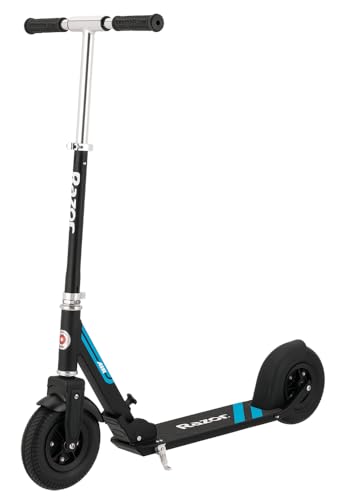 Razor A5 Air Kick Scooter for Kids Ages 8+ - Extra-Long Deck, 8" Pneumatic...
- Super-strong, aluminum frame with patent-pending, anti-rattle handlebars and folding system ensure a...
-
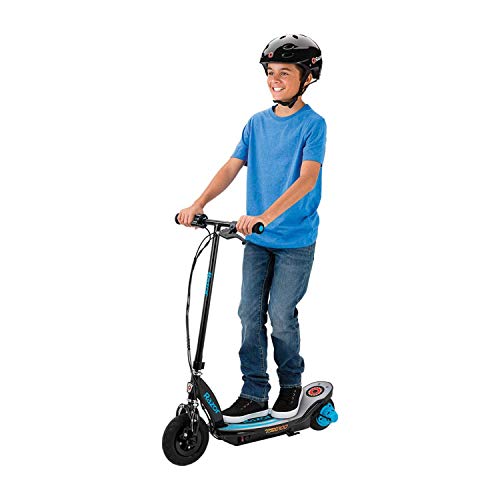 Razor Power Core E100 Electric Scooter - Aluminum Deck - Blue - FFP
- Product Note: Max speed and range per charge vary based on several factors, including: rider weight,...
Practice Makes Perfect
Don’t let the first time you try using a scooter be when you need it in an emergency. Give it a trial run, and in a real-world scenario such as on sidewalks or streets, not just in your backyard or driveway.
Need an excuse to practice? If your friends or family have kids, you can get practice (and tips!) by taking them to the park to ride scooters “for fun” under the guise of wanting to spend time with them.
Thoughts from Survivalist Chick
You’re prepping for worst-case scenarios but the first step in every plan is getting home. That’s where your people are. That’s where your full supplies are. And that’s where you can make your next move from a place of strength.
A fold-up scooter is cheap, quiet, portable, and practical. It gets you home before the streets get dangerous and gives you an edge when every second counts. While others are panicking or stuck on foot, you’re already moving.
Don’t overlook the simple tools that keep you ahead of the crowd. Add a foldable scooter to your emergency plan and stay light, fast, and one step ahead.
You’ve got this.
—Survivalist Chick

15 Tasty Ways to Use Dehydrated Veggies in Survival Meals

How to Cook Without Power: 10 No-Electricity Meal Hacks That Actually Work

20 Things You Should Have in Your First Aid Preps, But Probably Don’t

How to Prepare for Power Outages: A Guide to Staying Safe When the Lights Go Out

How to Pack Your Vehicle for a Fast Evacuation With Kids: Family-Friendly Systems That Work

Beyond Coffee: 11 Caffeine Sources Every Survivalist Should Prep For

15 Easy Ways to Make Plain Rice Taste Amazing (Prepper & Budget-Friendly Hacks)

18 Canned Goods Everyone Should Stockpile for a Prepper Pantry

10 Survival Skills Every Woman Should Know Before the Grid Goes Down

30+ Foods with a Long Shelf Life Every Survivalist Chick Should Stock Up On

- 15 Tasty Ways to Use Dehydrated Veggies in Survival Meals

- How to Cook Without Power: 10 No-Electricity Meal Hacks That Actually Work

- 20 Things You Should Have in Your First Aid Preps, But Probably Don’t

- How to Prepare for Power Outages: A Guide to Staying Safe When the Lights Go Out

- How to Pack Your Vehicle for a Fast Evacuation With Kids: Family-Friendly Systems That Work

- What to Do If Your Bug-Out Vehicle Breaks Down Mid-Evacuation

- Urban Bug-Out by Vehicle: How to Escape a City Fast Without Drawing Attention

- Survivalist Chick Guide: Hobbies That Make You Apocalypse-Ready

- Beyond Coffee: 11 Caffeine Sources Every Survivalist Should Prep For

- 18 Canned Goods Everyone Should Stockpile for a Prepper Pantry

- Bugging Out with Teenagers: Turning Attitude Into Asset
- Survival Tomatoes: The 12 Best Heirloom Varieties to Grow for Canning and Eating


15 Tasty Ways to Use Dehydrated Veggies in Survival Meals
How to Cook Without Power: 10 No-Electricity Meal Hacks That Actually Work
20 Things You Should Have in Your First Aid Preps, But Probably Don’t
Beyond Coffee: 11 Caffeine Sources Every Survivalist Should Prep For
15 Easy Ways to Make Plain Rice Taste Amazing (Prepper & Budget-Friendly Hacks)
18 Canned Goods Everyone Should Stockpile for a Prepper Pantry
-
 Food Storage1 year ago
Beyond Coffee: 11 Caffeine Sources Every Survivalist Should Prep For
-
 Cooking & Recipes1 year ago
15 Easy Ways to Make Plain Rice Taste Amazing (Prepper & Budget-Friendly Hacks)
-
 Food Storage1 year ago
18 Canned Goods Everyone Should Stockpile for a Prepper Pantry
-
Safety1 year ago
10 Survival Skills Every Woman Should Know Before the Grid Goes Down
-
Food Storage1 year ago
30+ Foods with a Long Shelf Life Every Survivalist Chick Should Stock Up On
-
 Survival4 years ago
How to use a sillcock water key for emergency water access
-
 Survival Prep Item4 years ago
Can you sterilize sewing thread in boiling water?
-
 Cooking & Recipes1 year ago
15 Tasty Ways to Use Dehydrated Veggies in Survival Meals