
Uncategorized
Survival Tomatoes: The 12 Best Heirloom Varieties to Grow for Canning and Eating
Not all tomatoes are created equal, some are made for slicing, some for sauces, and others for survival. Here’s what to grow when your pantry (and your prep) depends on it.


Why Heirloom Tomatoes Matter in a Survival Garden
Heirloom tomatoes are open-pollinated, which means you can save seeds and grow the same crop year after year. That’s huge for long-term food security and sustainable survival gardening. These time-tested varieties were chosen by generations of home gardeners for their flavor, performance, and adaptability. When you’re prepping for the long haul, heirlooms give you freedom from dependence on seed companies and chemical inputs.
Each tomato has a different role to play, some reduce beautifully into thick sauces or paste, while others shine sliced fresh on a plate or tossed into quick ferments. When times get hard, you’ll want a mix of tomatoes that give you both caloric sustenance and comfort food options. Below are the top heirloom tomatoes every prepper-minded woman should consider, broken down by their best use cases.
1. Amish Paste
Best For: Tomato paste, sauces, and stews
Amish Paste tomatoes are the workhorses of any survival garden. These plum-shaped fruits are meaty with minimal seeds and very low moisture, which makes them ideal for reducing into thick, hearty tomato paste or simmered sauces. Unlike many other paste tomatoes, Amish Paste varieties offer an excellent sweet-acidic balance that holds up in long cooking and pairs well with garlic, onions, and herbs from your prepper pantry.
These indeterminate plants will keep producing throughout the season, which gives you flexibility for canning in batches instead of all at once. The vines are sturdy and the fruit resists cracking, even in inconsistent weather. That makes them reliable during unpredictable growing seasons. You can roast them, slow-simmer them, or run them through a food mill for silky sauce.
Survivalist Chick Tip: Start a separate row just for sauce tomatoes, and try oven-roasting them with olive oil and herbs before canning for a smoky, rich flavor.
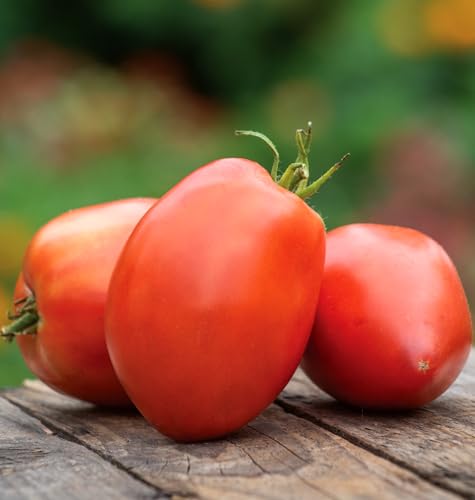
- EASY GROW SEEDS: Healthy, indeterminate tomato vines produce all summer long, beginning about 85...
2. San Marzano
Best For: Classic Italian sauce, pizza sauce
San Marzano is one of the most famous paste tomatoes in the world and for good reason. Originating from Italy, this heirloom has a sweet flavor with very low acidity and very few seeds, making it a prime candidate for creating rich, thick sauces. If you plan to can tomato sauce, pizza sauce, or marinara in volume, this is a must-grow.
These plants do require staking and can be a bit fussy in wet climates, but their consistent production and superior sauce quality more than make up for it. When cooked down, San Marzanos produce a smooth, flavorful base that doesn’t require added sugar or extensive seasoning to taste good. They’re also excellent for dehydrating into tomato leather or powder.
Survivalist Chick Tip: Always grow more San Marzanos than you think you need, sauce season hits fast, and these make every jar count.
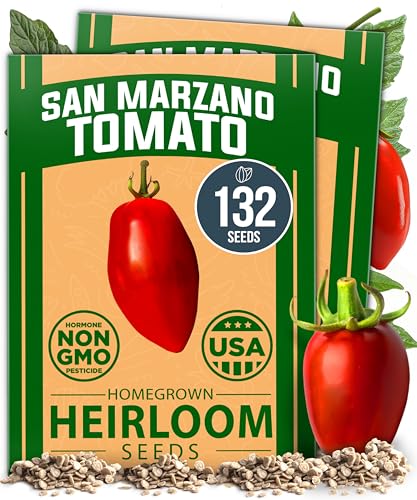
- AUTHENTIC HEIRLOOM TOMATO SEEDS - Elevate your garden with authentic San Marzano tomato seeds...
3. Brandywine (Pink or Red)
Best For: Slicing and fresh eating
Brandywine tomatoes are the crown jewel of the heirloom world. They’re large, juicy, and packed with deep, old-fashioned tomato flavor. These beefsteak-type fruits are perfect for slicing and layering into sandwiches, or eating fresh with a pinch of salt. The taste alone is enough to justify growing them, especially in a survival situation where fresh flavor can be rare and morale-boosting.
These tomatoes aren’t ideal for canning due to their high moisture content and thinner walls, but they can still be used in small-batch stews or soups when fresh. Expect slightly lower yields and a longer time to maturity compared to hybrids, but what you get is pure quality. The vines need strong support, and the fruit can grow to a pound or more each.
These come in a variety of colors, while pink and red are most popular, you can also get them in yellow and black too.
Survivalist Chick Tip: Grow a few plants just for fresh slicing. You’ll be glad for the fresh taste after weeks of shelf-stable meals.
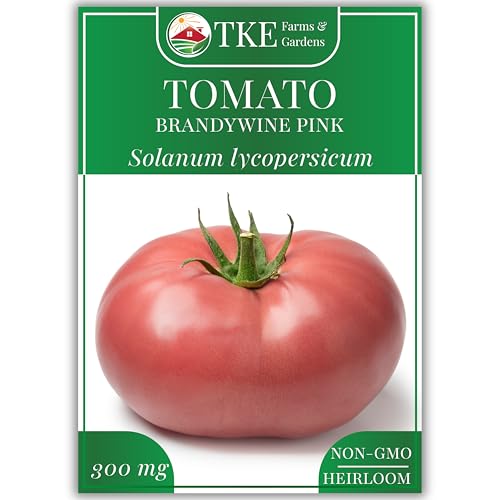
- Each packet contains 300 mg of heirloom seeds, amounting to at least 100 seeds. These non-GMO,...
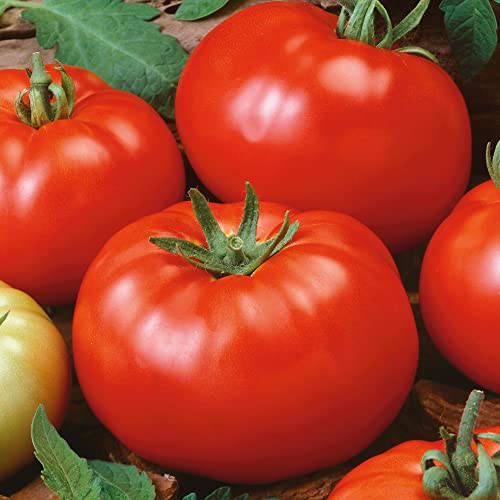
- Tomato Seeds - Brandywine - Red - Organic -- 300 Mg Packet ~84 Seeds -- Lycopersicon esculentum

- Beautiful - Large full-color packet of Brandywine Black Tomato (Solanum lycopersicum) seeds....

- Beautiful - Large full-color packet of Yellow Brandywine Tomato (Solanum var. ‘Yellow...
4. Cherokee Purple
Best For: Slicing, salads, sandwiches, and fresh salsa
Cherokee Purple tomatoes are beloved for their unique color, dark reddish-purple with green shoulders, and smoky, sweet flavor. They’re considered one of the best-tasting tomatoes around and bring depth to raw dishes like salsa or salads. They’re juicy but still hold their shape well when chopped, making them a favorite for fresh pico de gallo.
While they don’t hold up well to canning due to their water content, their taste more than earns them a place in your garden. They grow on indeterminate vines and need support, but the payoff is large, flavorful fruit that can become the star of a meal. Slice them thick for sandwiches or layer them with cheese and basil from your garden.
Survivalist Chick Tip: When your pantry’s feeling bland, break out the Cherokee Purples for a morale-boosting fresh salsa night.
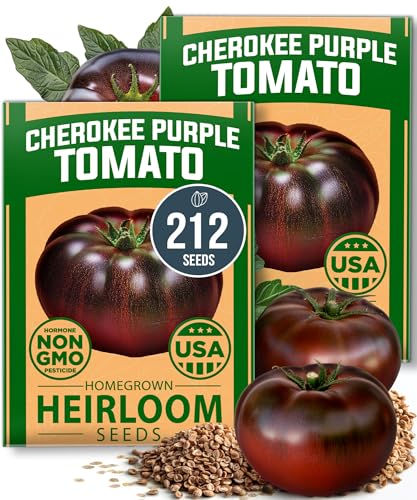
- VIBRANT HEIRLOOM VARIETY - Discover the unique flavor and vibrant color of Cherokee Purple Tomato, a...
5. Roma VF
Best For: Crushed tomatoes, sauces, dehydrating
Roma VF is a compact, determinate heirloom that pumps out uniform, thick-walled tomatoes ideal for processing. Their meaty texture and low seed count make them perfect for canning crushed tomatoes, dicing for stews, or blending into basic sauces. Because they’re determinate, the harvest comes in a concentrated burst, perfect for canning marathons.
These tomatoes also dehydrate extremely well, letting you create tomato powder for soups, sauces, and emergency meals. Roma VF plants are disease-resistant and don’t require a ton of pruning, so they’re a good low-maintenance choice for beginners or those managing multiple beds. Their small size makes them ideal for raised beds or containers.
Survivalist Chick Tip: Dry Romas in your solar dehydrator and grind into powder, perfect for instant tomato flavor in survival cooking.
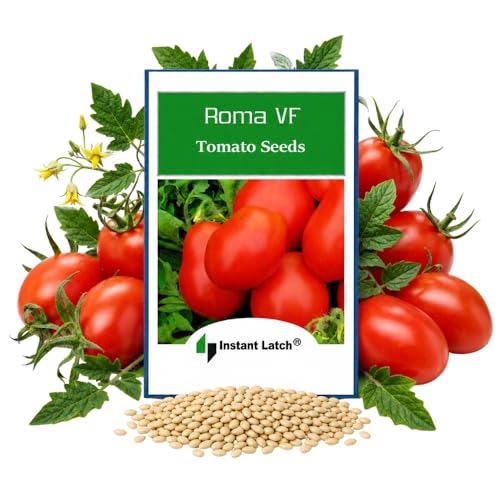
- Name: Roma VF Tomato | Type: Heirloom
6. Black Krim
Best For: Fresh eating, slicing, and dark salsa
Black Krim tomatoes have a rich, earthy flavor that stands out in any dish. These medium to large beefsteak-style tomatoes have deep reddish-purple skin and flesh with a subtle saltiness that makes them irresistible for fresh eating. They’re ideal for slicing onto sandwiches, chopping into rustic salsas, or layering into cold plates when you need a tomato with real depth.
While their high water content makes them less suitable for canning, their flavor is bold enough to carry a fresh salsa or salad even when other ingredients are basic. These plants are indeterminate and do best with sturdy support, but they tolerate heat and inconsistent watering better than many other heirlooms. Their dramatic appearance adds visual appeal to meals, which can be important when trying to keep spirits high during long stretches of off-grid living.
Survivalist Chick Tip: Mix Black Krim with a yellow tomato for a two-toned fresh salsa that boosts both taste and morale.

- GIANT Black Krim (a.k.a. Black Crimea) Tomato Seeds, Heirloom NON-GMO, Low Acid, Indeterminate,...
7. Mortgage Lifter
Best For: Juicing, slicing, soups
This tomato earned its name during the Great Depression when the breeder reportedly paid off his mortgage selling these large, flavorful fruits. Mortgage Lifter tomatoes are meaty, mildly sweet, and versatile. They can be used for fresh slicing, tossed into hearty soups, or juiced to create a tomato base for drinking or cooking.
These are indeterminate plants that produce big fruits, often over a pound each, and need a strong trellis or cage. Their size and reliability make them a great choice for a survival garden when you’re looking to maximize output from limited space. While not as dry as paste tomatoes, you can still cook them down for sauce or blend them for canning if needed.
Survivalist Chick Tip: Use Mortgage Lifter juice as a base for DIY tomato soup powder or broth cubes. store in your pantry for cold nights.

8. Yellow Pear
Best For: Fresh snacking, pickling, and garnishing
Yellow Pear tomatoes are adorable, bright, and prolific. These small, pear-shaped fruits grow in heavy clusters and are perfect for snacking fresh off the vine. They have a mild, slightly sweet flavor that appeals to kids and picky eaters, making them a great morale booster during stressful times.
These little gems also pickle well and can be preserved whole in vinegar or brine for use as a garnish or salad addition. Their unique shape and sunny color brighten up any plate and can help break up food fatigue in survival cooking. The indeterminate vines grow aggressively and need support, but the yield makes them worthwhile.
Survivalist Chick Tip: Toss Yellow Pears with vinegar, herbs, and onions for a quick countertop pickle, great for long-term flavor variety.
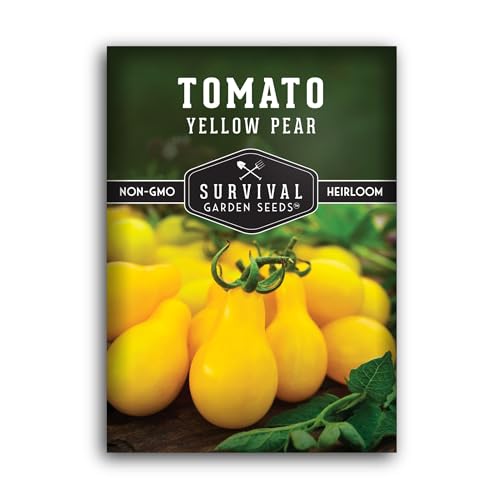
- LARGE HARVESTS – Enjoy abundant clusters of small pear-shaped yellow tomatoes with a mild, fruity...
9. Green Zebra
Best For: Fresh salsa, frying, and colorful salads
Green Zebra tomatoes are tangy, firm, and visually striking with their green-and-yellow striping. Their tart flavor makes them stand out in fresh salsas and raw dishes, especially when mixed with sweeter tomatoes. They also hold their shape well when fried or sautéed, offering an alternative to traditional red tomatoes in your survival meals.
These tomatoes have thinner skin but resist cracking well, even in inconsistent weather. The vines are productive and tolerate heat better than many heirlooms. If you want something a little different in your tomato patch that’s still versatile, Green Zebra is a strong contender.
Survivalist Chick Tip: Fry Green Zebra slices in cornmeal for a southern-style treat that’s perfect in a cast iron skillet over a campfire.
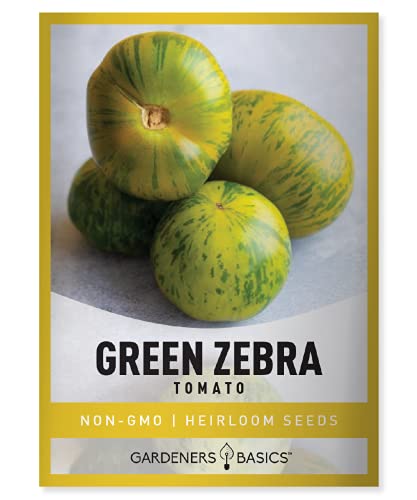
- FUN HEIRLOOM VARIETY - The green zebra tomato is actually yellow with green zebra stripes. It is...
10. Costoluto Genovese
Best For: Sauces, roasting, and gourmet-style dishes
This Italian heirloom is deeply ribbed and incredibly rich in flavor. Costoluto Genovese tomatoes are juicy with a strong balance of acidity and sweetness, making them ideal for slow-roasted tomato dishes or high-flavor sauces. Their complex taste shines when oven-roasted with garlic and olive oil, then blended into a thick, rustic sauce.
Though they’re juicier than paste varieties, they reduce beautifully and can be used to create gourmet-style sauces even in an off-grid kitchen. The fruits are medium to large in size, and the plants are indeterminate and prolific. Their unusual shape makes them a bit harder to slice uniformly, but they more than make up for it in flavor.
Survivalist Chick Tip: Roast these low and slow in a solar oven with herbs, then can or freeze the result, nothing tastes more comforting.

- Costoluto Genovese Pomodoro Tomato Seeds, Heirloom NON-GMO, Low Acid, Indeterminate,...
11. German Pink
Best For: Sauces, slicing, and preserving
German Pink tomatoes are large, meaty, and versatile. Their bright color and balanced flavor make them excellent for slicing and eating fresh, but their dense flesh also cooks down well for sauces and canning. With relatively few seeds and a lower water content than most beefsteaks, they’re an all-around workhorse in the survival garden.
These indeterminate vines produce hefty fruit, and you’ll want to stake them well. Because of their size and lower juice content, you can easily turn them into crushed tomatoes or stew them into thick pasta sauces. The mild, sweet taste also makes them popular with kids and those who prefer less acidity.
Survivalist Chick Tip: Chop and water-bath can German Pinks as stewed tomatoes mixed with basil, great for fast prep meals.
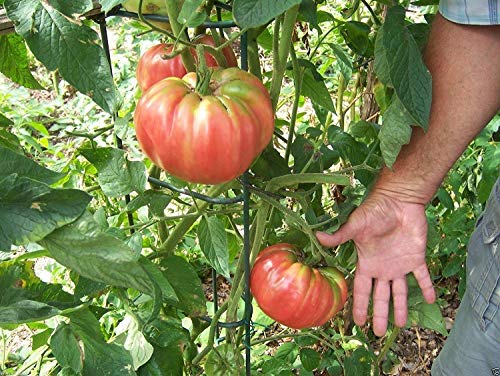
- Brand:Solanum lycopersicum, Type:Heirloom, Country/Region Of Manufacture:Germany
12. Kellogg’s Breakfast
Best For: Fresh eating, yellow sauces, and mixing for visual variety
This striking yellow-orange beefsteak is as flavorful as it is beautiful. Kellogg’s Breakfast tomatoes are large, juicy, and low in acid, with a sweet taste that works well fresh or cooked. While not ideal for traditional red sauces, they make a fantastic base for golden tomato soups, chutneys, or mixed tomato canning.
The fruits are large and ripen to a rich golden hue that’s easy to spot in the garden. These indeterminate vines love heat and produce well into late summer. Because they’re lower in acid, you’ll need to add lemon juice or vinegar to any canning recipe to make them safe.
Survivalist Chick Tip: Mix with high-acid tomatoes in salsa or sauce recipes to balance pH while adding sweetness and color.
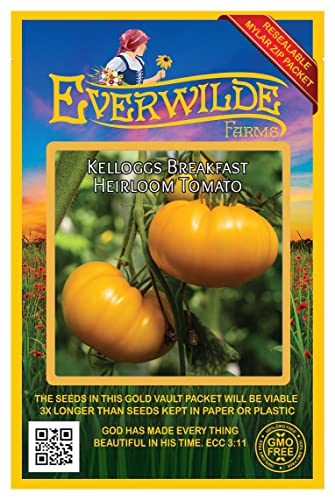
- First Quality Non-GMO Heirloom Tomato Seeds – Current Lab Test Data Shown on Packet
Storing Heirloom Tomatoes for Short-Term Use
Fresh heirlooms are delicate, so handle them like the precious gems they are.
- Avoid Refrigeration unless they are overripe or cut, cold temps ruin flavor and texture. Instead, keep them at room temperature in a single layer out of direct sunlight.
- Ripen Green Tomatoes by placing them in a paper bag with a banana or apple, which releases ethylene gas and speeds up ripening.
- Use bruised or cracked tomatoes first, and reserve the best ones for canning or seed saving.
Survivalist Chick Tip: Keep your tomato harvest rotated like any other pantry good, oldest gets eaten first. Mark dates when you pick them, even on a sticky note or masking tape.
Preserving Tomatoes: The Smart Prepper’s Way
Heirloom tomatoes can be preserved in multiple ways, depending on your time, storage space, and survival needs.
- Water-Bath Canning is safe for high-acid tomatoes or recipes with added acidity like salsa and crushed tomatoes.
- Pressure Canning is required for low-acid blends or thick sauces, don’t take shortcuts, as botulism is no joke.
- Dehydration is perfect for Roma and Amish Paste types. Slice thin, dry until brittle, and store in mason jars or mylar bags with oxygen absorbers.
- Freezing works too, simply core and halve tomatoes, then freeze in batches. You can also blend and freeze them as purée or sauce.
- Fermenting tomato sauces or salsas is another option if refrigeration or cool storage is available.
Survivalist Chick Tip: Make your own tomato powder by blending dehydrated tomato slices. Use it to thicken soups, add flavor to rice, or make instant tomato sauce with boiling water.
Saving Seeds from Heirloom Tomatoes
Heirloom seeds are open-pollinated, which means you can grow true-to-type plants again and again, saving seeds ensures food security for the future.
Step-by-step guide:
- Choose your healthiest, tastiest tomato from a disease-free plant. Pick one that’s dead-ripe, almost to the point of mushy.
- Scoop out the seeds, including the gel, into a glass jar or cup. Add a little water and leave it at room temp for 2–3 days. This ferments the gel off the seeds, mimicking the natural rotting process that removes germination inhibitors.
- Stir daily and watch for mold. That’s normal! Once a thin layer forms, rinse seeds thoroughly in a fine mesh strainer.
- Dry seeds on a plate or paper towel for at least a week. Keep them in a dry, dark place until completely bone dry.
Storage tips:
- Store in airtight jars, envelopes, or small mylar bags with a desiccant pack.
- Label with the variety, date, and any notes about flavor or plant health.
- Keep in a cool, dark, dry place, your seed stash should last 4–10 years depending on conditions.
Survivalist Chick Tip: Stash backup seeds in multiple places, one in your main pantry, one in your bug-out bag, and one in a sealed container buried in a cool area like a root cellar or crawl space.
Final Thoughts from Survivalist Chick
Growing heirloom tomatoes is about more than variety, it’s about control. You control the seeds, the harvest, the pantry, and the future of your food supply. Each of these tomatoes brings something unique to your survival plan, whether it’s dense, paste-worthy flesh or morale-boosting flavor.
You don’t need to grow every type, just the ones that match your family’s needs. Start with 3 to 5 varieties that give you a mix of preservation and fresh eating options, and expand from there. The key is having a reliable source of calories, flavor, and nourishment straight from the dirt you worked with your own two hands.
You’re not just planting seeds. You’re planting security.
You’ve got this.
—Survivalist Chick


15 Tasty Ways to Use Dehydrated Veggies in Survival Meals

How to Cook Without Power: 10 No-Electricity Meal Hacks That Actually Work

20 Things You Should Have in Your First Aid Preps, But Probably Don’t

How to Prepare for Power Outages: A Guide to Staying Safe When the Lights Go Out

How to Pack Your Vehicle for a Fast Evacuation With Kids: Family-Friendly Systems That Work

Beyond Coffee: 11 Caffeine Sources Every Survivalist Should Prep For

15 Easy Ways to Make Plain Rice Taste Amazing (Prepper & Budget-Friendly Hacks)

18 Canned Goods Everyone Should Stockpile for a Prepper Pantry

10 Survival Skills Every Woman Should Know Before the Grid Goes Down

30+ Foods with a Long Shelf Life Every Survivalist Chick Should Stock Up On

- 15 Tasty Ways to Use Dehydrated Veggies in Survival Meals

- How to Cook Without Power: 10 No-Electricity Meal Hacks That Actually Work

- 20 Things You Should Have in Your First Aid Preps, But Probably Don’t

- How to Prepare for Power Outages: A Guide to Staying Safe When the Lights Go Out

- How to Pack Your Vehicle for a Fast Evacuation With Kids: Family-Friendly Systems That Work

- What to Do If Your Bug-Out Vehicle Breaks Down Mid-Evacuation

- Urban Bug-Out by Vehicle: How to Escape a City Fast Without Drawing Attention

- Survivalist Chick Guide: Hobbies That Make You Apocalypse-Ready

- Beyond Coffee: 11 Caffeine Sources Every Survivalist Should Prep For

- 18 Canned Goods Everyone Should Stockpile for a Prepper Pantry

- Bugging Out with Teenagers: Turning Attitude Into Asset

- Survival Tomatoes: The 12 Best Heirloom Varieties to Grow for Canning and Eating


15 Tasty Ways to Use Dehydrated Veggies in Survival Meals
How to Cook Without Power: 10 No-Electricity Meal Hacks That Actually Work
20 Things You Should Have in Your First Aid Preps, But Probably Don’t
Beyond Coffee: 11 Caffeine Sources Every Survivalist Should Prep For
15 Easy Ways to Make Plain Rice Taste Amazing (Prepper & Budget-Friendly Hacks)
18 Canned Goods Everyone Should Stockpile for a Prepper Pantry
-
 Food Storage1 year ago
Beyond Coffee: 11 Caffeine Sources Every Survivalist Should Prep For
-
 Cooking & Recipes1 year ago
15 Easy Ways to Make Plain Rice Taste Amazing (Prepper & Budget-Friendly Hacks)
-
 Food Storage1 year ago
18 Canned Goods Everyone Should Stockpile for a Prepper Pantry
-
Safety1 year ago
10 Survival Skills Every Woman Should Know Before the Grid Goes Down
-
Food Storage1 year ago
30+ Foods with a Long Shelf Life Every Survivalist Chick Should Stock Up On
-
 Survival4 years ago
How to use a sillcock water key for emergency water access
-
 Survival Prep Item4 years ago
Can you sterilize sewing thread in boiling water?
-
 Cooking & Recipes1 year ago
15 Tasty Ways to Use Dehydrated Veggies in Survival Meals