
Women's Issues
Period Prep 101: Menstrual Supplies in a Survival Situation


When the grid goes down, your period doesn’t take a break. Here’s how to stay prepared, comfortable, and confident, no matter what the world throws your way.
Let’s Get Real, Lady to Lady
We prep for everything… power outages, bug-outs, food shortages… but how often do we really prep for our periods?
It’s not glamorous. It’s not Instagrammable. But when SHTF, you’re going to thank yourself a thousand times over for thinking ahead. Your period isn’t going to disappear just because you’re hiking through the backwoods or hunkering down during a crisis. And trust me—trying to improvise with tissue or old socks isn’t just uncomfortable, it’s a recipe for infection and stress you don’t need.
This guide is written for women who want real answers to a real issue that doesn’t get nearly enough attention in the prepping world. Let’s talk about options, practicality, and what actually works when you’re on your own.
Menstrual Cups: The Minimalist’s Marvel
Why We Love Them:
- Reusable for up to 10 years
- Zero waste
- No need to carry boxes of pads or tampons
Survival Pros:
One cup. That’s it. Sterilize it between cycles, and you’re good to go. It’s ideal for bug-out bags and long-term grid-down scenarios where supplies may be impossible to replenish.
Things to Consider:
You’ll need clean water and a way to boil it for sterilization. There’s also a learning curve, so don’t wait until the world ends to figure it out.
Prepper Chick Tip: Pack a small bottle of fragrance-free soap and a cloth bag to store your cup hygienically. And practice now, you don’t want your first try to be in the middle of an emergency.
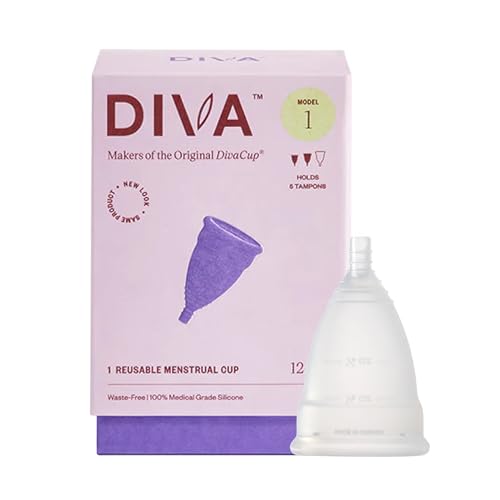
- Silicone Cup Size & Capacity: DIVA Cup Model 1 holds the equivalent of 5 regular tampons of flow,...
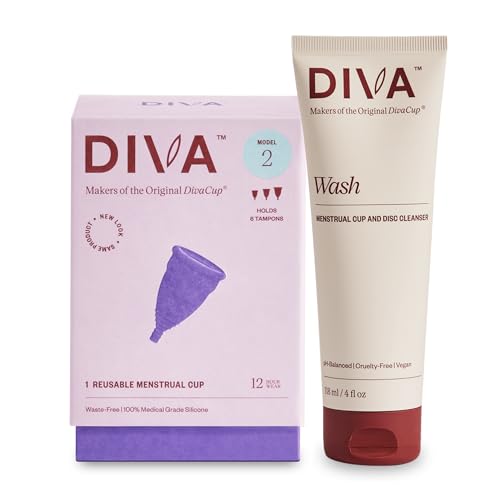
- Silicone Cup Size & Capacity: DIVA Cup Model 2 holds the equivalent of 6 regular tampons of flow,...
Reusable Cloth Pads: Wash and Wear
Why We Love Them:
- Comfy, breathable, and customizable
- Lasts for years with proper care
- Eco-friendly and budget-friendly
Survival Pros:
Cloth pads are reliable and low-tech. Rinse, wash, hang dry. They don’t take up much space, and you can even sew extras from flannel or old clothes in a pinch.
Things to Consider:
You’ll need access to water and a private place to wash/dry. Also, they take time to clean—so rotate several during your cycle.
Prepper Chick Tip: Store used cloth pads in a wet bag (not sealed, you don’t want mold!) until laundry day. And yes, you can wash them by hand in a crisis. A little detergent, some elbow grease, and sunshine work wonders.
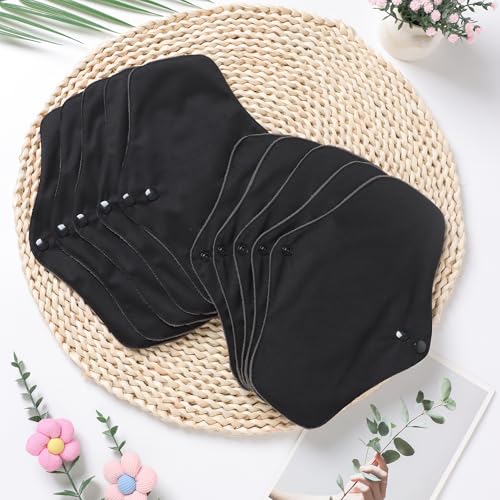
- More Effective Leak-proof Design: Analyzed other products, this reusable sanitary pad has a widened...
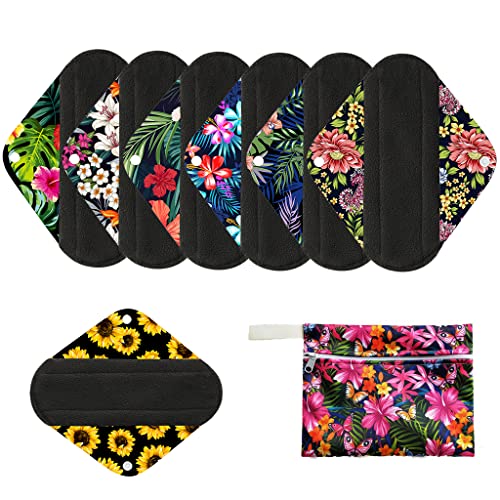
- Package: 6PC Reuable Cloth Menstrual Pads + 1pc Mini Wet Bag ( All randomly prints )
Tampons & Pads: Comfort in Familiarity
Why We Love Them:
- Easy to use
- Readily available now
- No learning curve
Survival Pros:
For short-term emergencies, it’s hard to beat the convenience. You know how to use them, and they offer peace of mind.
Things to Consider:
You’ll need a stockpile, and space to store it. They create waste, and disposal can be a challenge in a long-term scenario. They also expire, though slowly (about five years or so). These will also be a hot commodity for trading value too. Buy in bulk for two years, then replace a years worth every year… or go even bigger.
You can also consider purchasing in the individually packaged style for vending machines as well, they are typically much cheaper albiet without the fancy applicators. If you don’t use these in daily life, purchase these in bulk and then donate them to a women’s shelter when they are getting closer to expiry.
Prepper Chick Tip: Vacuum seal small sets to keep them dry and compact in your go-bag. For long term storage, make sure they are completely sealed and avoid storing them in a damp environment. Don’t forget to rotate your stock!
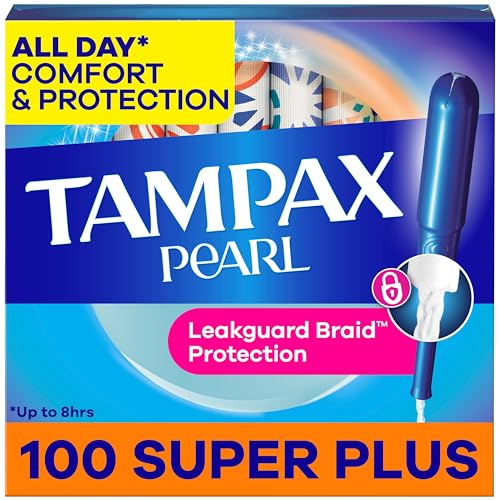
- LEAKGUARD BRAID helps stop leaks before they happen
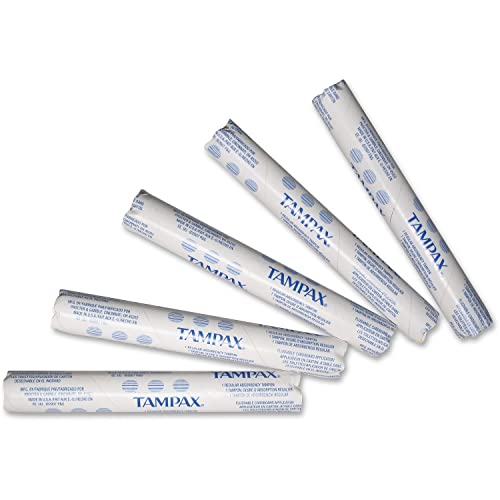
- Sold as 500/Carton.
Period Panties: Built-In Protection Without the Bulk
Why We Love Them:
- All-in-one absorbent underwear
- Great for backup or light days
- No pads, no shifting, no worries
Survival Pros:
Period panties are a total game-changer, especially for short-term emergencies or as a backup to other methods like cups or cloth pads. They’re discreet, reusable, and don’t require inserting anything, making them ideal if you’re dealing with rough terrain, injury, or simply want something low-maintenance while you’re on the move.
Most high-quality brands can hold the equivalent of 2–4 tampons’ worth of blood. That means you can wear them all day (or overnight), rinse them out, and hang them to dry. They take up no more room than regular underwear and offer serious peace of mind when your usual supplies are running low or access to clean pads is limited.
Things to Consider:
They do take a while to air dry, so you’ll want at least 2–3 pairs to rotate if you’re using them as your primary option. And not all period underwear is created equal, stick with brands known for real absorbency, not just a moisture-wicking liner.
You can also pick up some disposable period underwear as well to keep in your go bag. Pads can deteriorate in extreme temperatures, and if you are travelling on foot, changing tampons can be a bit difficult as well.
Prepper Chick Tip: Choose dark colors (less staining), and test a pair before adding to your bug-out bag. They also double as regular undies, so you’ll never feel like you’re wasting space.
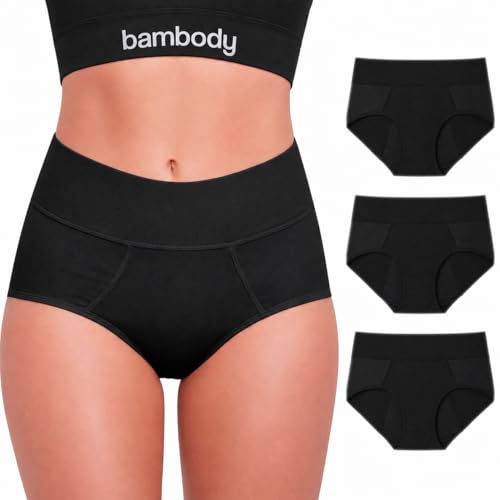
- ABSORBS UP TO 6 REGULAR TAMPONS: Wear as your sole form of period protection on light to moderate...

- COMFORTABLE SLEEP WORRY-FREE with Always ZZZ Overnight Disposable Period Underwear
Free Bleeding: The Last-Ditch Option
Why We Don’t Recommend It (Except in Emergencies):
It’s messy, uncomfortable, and can lead to infection if not handled carefully. But if all else fails, having a few pairs of dark, absorbent underwear and being aware of your cycle can get you through.
Prepper Chick Tip: Keep a few pairs of period panties in your stash—even if it’s just for backup. They can double as emergency underwear or layers in cold weather.
Must-Have Add-Ons for Menstrual Preparedness
- Fragrance-free baby wipes for cleaning up when water is scarce
- Gloves for hygiene if you’re handling cloth or cups in unsanitary conditions
- Ziploc or wet bags for discreetly storing used supplies
- Pain relief (ibuprofen, natural remedies, etc.)—because survival is tough enough without cramps
- Spare underwear and leggings in your bug-out bag
Period Thoughts from One Survivalist Chick to Another
Your period is part of your life, no matter where you are or what disaster you’re facing. Prepping for it doesn’t make you “high maintenance”—it makes you smart.
So be the woman who thought of everything. Pack the cup. Stash the cloth. Stock the tampons. Because when the world goes sideways, being prepared for your period isn’t just a comfort—it’s personal power.
Stay strong, stay smart, and stay ready.
—Survivalist Chick


Why Pregnancy Preparedness Matters in a Crisis
Pregnancy is already a journey filled with physical changes, emotional highs and lows, and serious planning. Add a disaster, societal breakdown, or long-term emergency to the mix, and things get real very fast. Whether you’re already expecting or planning to become pregnant, prepping isn’t paranoia. It’s proactive motherhood.
Your body will be working overtime to support life, which means your preps need to do the same. You’re not just prepping for yourself anymore. You’re prepping for two and later, possibly more. And when hospitals may be overcrowded, supply chains unstable, or help delayed, having the right gear, knowledge, and mindset could mean everything.
What to Include in a Pregnancy Crisis Kit
Essentials for Expecting Moms:
- Prenatal vitamins (stock up—aim for at least 6 months’ worth, if you find ones with a great expiry date, more for future use)
- Comfortable maternity clothing (easy to layer, breathable)
- Compression socks and belly bands (in case of swelling or lower back pain)
- Natural remedies for morning sickness (ginger chews, peppermint tea)
- Iron-rich foods and protein bars for sustained energy
- Sturdy shoes and slip-on sandals
- Pregnancy-safe hygiene items (unscented soap, witch hazel, perineal wipes)
Survivalist Chick Tip: Keep a laminated copy of your pregnancy details (due date, blood type, known risks, allergies) with your ID or in your bag. If you’re unable to speak for yourself, it could save your life.
Prepping for Birth Without a Hospital
In a total breakdown, a hospital birth might not be possible. While most births proceed without complications, being ready to deliver at home or with limited support is empowering, not terrifying, when you have the right supplies and know-how.
Critical Supplies to Have On Hand:
- Clean sheets and towels
- Sterile gloves and scissors
- Umbilical cord clamps or sterilized ties
- Bulb syringe for baby’s airway
- Peri bottle for post-birth care
- Heavy-duty pads or reusable cloth pads
- Herbal tinctures (like shepherd’s purse for bleeding)
- Printed home birth instructions or midwife guidebook
- Emergency communication method if help is available (radio, phone, signal mirror)
Survivalist Chick Tip: You don’t need to be a midwife, but reading about the stages of labor and postpartum bleeding is essential knowledge for crisis scenarios. Confidence comes from preparation.
Caring for Baby in a Grid-Down World
Babies don’t wait for society to stabilize. Their needs are simple, but unrelenting. Focus on having cleanliness, warmth, nourishment, and closeness covered.
Must-Haves for Newborn Care:
- Cloth diapers and waterproof covers
- Diaper-safe cream or coconut oil
- Flannel receiving blankets and soft wraps
- Infant-safe thermometer
- Manual breast pump or nursing support items
- Formula and bottles (even if breastfeeding, have backup)
- Small water boiler or kettle for sanitation
- Baby sling or carrier for hands-free movement
Survivalist Chick Tip: Store water specifically for baby cleaning needs. A few extra gallons can go a long way for daily wipe-downs and bottle washing.
Caring for Your Body Postpartum
Once baby arrives, your survival kit needs to shift focus, because you’ll be healing too. Without modern conveniences or help nearby, gentle, nourishing care is essential to avoid infection and protect your well-being.
Recovery Essentials:
- Witch hazel pads or spray for perineal relief
- Reusable cloth pads or postpartum underwear
- Sitz bath herbs (comfrey, calendula, lavender)
- Energy bars and hydrating drinks
- High-protein shelf-stable snacks
- Laxatives or stool softeners if needed
- Simple baby-safe pain relief (Tylenol, ibuprofen)
Survivalist Chick Tip: Make a “Mama Bag” just for your recovery supplies. Don’t bury it at the bottom of a larger pack, you’ll need easy access when the time comes.
Final Thoughts from Survivalist Chick
Pregnancy during a crisis isn’t a worst-case scenario, it’s a call to elevate your preparedness with purpose and strength. Your instincts are sharp, your body is capable, and your determination to protect your little one makes you one of the most powerful survivalists out there.
Prepping for pregnancy and postpartum isn’t about fear. It’s about peace of mind, knowing that even when the world is uncertain, you’ve got this.
You are the life-giver. The protector. The plan-maker.
And you’re not alone.
—Survivalist Chick
Health & Medical
Sick Day Prepping: How to Build a Medical Kit for Women’s Health Needs
Your first aid kit should treat more than cuts and scrapes. Here’s how to stock it with essentials tailored to women’s health before you need them.

Most preppers know the importance of a well-stocked first aid kit, but many overlook a crucial detail—women have specific health needs that generic kits just don’t cover. When you’re sick, hurting, or managing symptoms in a grid-down or emergency situation, you don’t want to realize you forgot the things that really matter. From menstrual supplies to UTI relief, building a sick day kit that includes women-specific care items is not just smart, it’s essential.
Imagine trying to tough out an infection, hormonal symptoms, or reproductive health issues without the right supplies. Even under normal circumstances, these issues are uncomfortable and disruptive. In a crisis, they can become debilitating. Prepping isn’t just about survival, it’s about staying functional, focused, and as comfortable as possible when things go sideways.
A truly complete medical kit should include everything from natural and over-the-counter remedies to hygiene essentials and comfort care. These items might not seem urgent during blue skies, but when you’re in pain or unable to access a pharmacy, they suddenly become priceless. Whether you’re bugging in during a storm or camping off-grid, you’ll want your kit to be ready for anything your body throws at you.
In this guide, we’ll walk through the must-have items that belong in every prepper woman’s medical kit. We’ll cover common health concerns, overlooked medications, and practical tips for storing and rotating your supplies. Because when you’re already not feeling well, the last thing you want is to be unprepared.
Why Women Need a Different Kind of First Aid Kit
Let’s be real, most first aid kits are built with men in mind. They cover cuts, sprains, and maybe some aspirin, but they don’t come close to meeting the real medical needs of women. Whether it’s dealing with hormonal shifts, menstrual care, or infections like UTIs, we face different challenges and your kit should reflect that.
In a crisis, whether it’s a short-term power outage or a long-term grid-down scenario, access to pharmacies may be limited or nonexistent. That’s why prepping a comprehensive women’s medical kit now means fewer worries later. This guide focuses on what to include so you’re not caught off guard when you’re sick, sore, or just need support your body can count on.
UTI & Yeast Infection Care
When hygiene is compromised or stress weakens the immune system, UTIs and yeast infections can strike fast—and make life miserable.
What to pack:
- AZO or similar UTI pain relief
- Cranberry concentrate or capsules
- D-Mannose powder or capsules (helps flush E. coli from the bladder)
- Probiotic capsules (especially with Lactobacillus)
- Over-the-counter antifungal (like miconazole)
- Unscented feminine wipes
- Cotton underwear in your bug-out bag
Survivalist Chick Tip: Include a thermometer and urine test strips so you can monitor for signs of a worsening infection.
2. Menstrual & Reproductive Health
Periods don’t stop when the world does. Plan for long-term options that reduce waste and give you choices.
What to pack:
- Menstrual cup (long-lasting and reusable)
- Cloth pads and pantyliners
- Disposable pads or tampons (for shorter-term kits)
- Period underwear (absorbent, washable backup)
- PMS support: magnesium, ginger tea, or ibuprofen
- Herbal support: red raspberry leaf for cramps and hormone balance
- Emergency contraceptives (if appropriate for your situation)
- Pregnancy test strips
Survivalist Chick Tip: Store a menstrual cup and backup pads in every bug-out bag, glove box, and camp kit. You never know when you’ll need them.
3. Hormone Support & Mood Balance
In high-stress situations, hormonal imbalance can intensify everything—from anxiety to irregular cycles. Having herbal and nutritional support on hand makes a difference.
What to pack:
- Evening primrose oil or chasteberry (for cycle regulation)
- Vitamin B6 and magnesium (for mood and hormonal balance)
- Ashwagandha or rhodiola (for stress support)
- Essential oils: lavender (calming), clary sage (hormonal)
- Herbal teas: chamomile, peppermint, lemon balm
Survivalist Chick Tip: These aren’t just for “feeling off.” They help keep you emotionally grounded and physically resilient during chaos.
4. Family Planning & Birth Control
Whether you’re sexually active or not, having control over your reproductive health in a crisis is critical.
What to pack:
- Condoms (for pregnancy and STD protection)
- Birth control pills (if prescribed; rotate to keep fresh)
- Natural options: wild carrot seed or neem (if you’ve researched them thoroughly)
- Fertility tracking thermometer
- Pregnancy test strips
- Plan B or equivalent if legally and safely accessible
Survivalist Chick Tip: Track expiration dates and store items in cool, dry locations. Privacy may be limited in emergencies, so keep these supplies discreet and accessible.
5. Basic Women’s Wellness Essentials
Some things may not feel urgent until they’re missing. These comfort-level items can prevent small issues from becoming big problems.
What to pack:
- Gentle laxatives or stool softeners
- Fiber capsules (constipation is common during stress)
- Antacids or digestive enzymes
- Anti-nausea medicine or ginger chews
- Blister care and foot powder
- Unscented soap and hand sanitizer
- Lip balm, lotion, and coconut oil (multitasking skincare)
Survivalist Chick Tip: Coconut oil can double as lubricant, moisturizer, wound salve, and even toothpaste in a pinch. Add a small tin to every kit.
Don’t Forget These
- Prescription meds (and a list of what you take)
- Backup eyeglasses or contacts
- Spare set of underwear and comfy pants
- Small mirror and tweezers
- Small cloth bag for privacy/disposal
Final Thoughts from Survivalist Chick
You deserve to feel safe, clean, and supported—even when the world is upside down. A medical kit tailored to women isn’t a luxury. It’s smart prepping that protects your health and keeps you in control.
The more you prepare now, the less you’ll have to scramble later. Your future self will thank you for thinking ahead with clarity and care.
You’re not just surviving, you’re thriving on your terms.
—Survivalist Chick
Bug Out Bags
Bug-Out Bags for Women: What to Pack (and What to Skip)
When it’s time to grab your bag and go, you don’t want dead weight—or missing essentials. Here’s how to build a bug-out bag that’s built for you.
When it’s time to grab your bag and go, you don’t want dead weight—or missing essentials. Here’s how to build a bug-out bag that’s built for you.
Let’s Talk Go Bags…Woman to Woman
Bug-out bags aren’t just about hauling gear; they’re about survival with purpose. And if you’ve ever looked at the typical “tactical bro” checklist, you’ve probably noticed it wasn’t made with women in mind. Oversized knives, 80 pounds of ammo, and not a single thought to hygiene or comfort.
This guide is here to change that.
As women, we’re not just preparing to survive—we’re planning to thrive in chaos. That means packing smart, light, and deliberately for our needs. So let’s build a bag that doesn’t just check boxes, it actually works for you.
First, Choose Your Bag Wisely
-
Fit matters. Look for a pack with padded straps, adjustable chest and waist belts, and a frame that fits your torso, not a generic male build. Look for women’s specific bags – any great outdoor retailer can help you find the perfect fit.
-
Internal frame = better balance. Especially if you’re smaller-framed or bugging out on foot.
-
Don’t go huge. 40–55 liters is ideal for most women. Too much space = temptation to overpack.
Survivalist Chick Tip: Try your bag on fully packed and wear it while walking for 15 minutes. If it pulls on your shoulders or shifts too much, it’s time to reassess.
What to Pack (the Essentials That Matter)
Survival Basics
-
Water filter (Sawyer Mini or LifeStraw)
-
Collapsible water bottle or canteen
-
Firestarter (ferro rod, waterproof matches, lighter)
-
Emergency food (high-calorie bars, dehydrated meals)
-
Compact cook set + small stove + fuel canister
-
Emergency bivvy or lightweight sleeping bag
-
Compact tarp or tent for shelter
-
Knife or multitool (not Rambo-sized—just functional)
Comfort & Sanity Items
-
Feminine hygiene (cup, cloth pads, tampons—see our Period Prep 101 guide)
-
Toothbrush + paste, biodegradable soap, deodorant
-
Hair ties, dry shampoo, small brush
-
Wet wipes and a microfiber towel
-
Basic makeup (totally optional, but if it boosts morale? Pack it.)
-
Journal + pen (for logging or stress release)
First Aid for Women
-
Ibuprofen, Benadryl, Imodium, and allergy meds
-
Small mirror (for checking injuries or contacts)
-
UTI test strips + cranberry supplements
-
Plan B or birth control (if applicable)
-
Menstrual cramp relief (heat patch, meds)
-
Band-aids, gauze, antiseptic, tweezers
-
Your prescriptions in a labeled pouch
Clothing: Function Over Fashion
-
2 quick-dry underwear + 2 pairs of socks (merino wool if you can)
-
Sports bra (no underwire drama in a crisis)
-
Leggings or tactical pants
-
Lightweight fleece + packable rain jacket
-
Buff, beanie, gloves
-
Comfy but tough hiking boots (already broken in)
Defense & Tools
-
Pepper spray (legal in many areas and easier to carry than a firearm)
-
Tactical flashlight with strobe mode
-
Small personal alarm
-
Whistle on your zipper pull
-
Paracord bracelet or hank of rope
-
Pocket-sized sewing kit
Paperwork & Cash
-
Printed ID copies, insurance, emergency contacts
-
Emergency contact card tucked in every pouch
-
$100+ in small bills, preferably waterproofed
What to Skip (Seriously, Don’t Waste Space)
-
Full-size anything (toiletries, cookware, machetes… just no)
-
Heavy tools you don’t know how to use
-
Extra shoes or unnecessary clothing
-
Fancy multi-day meal kits that require gourmet cooking
- Books or electronics that drain power
-
A tent bigger than your bag
Survivalist Chick Tip: Ask yourself: “Do I know how to use this? Have I used it in the last year?” If the answer is no, leave it out. You’re not building a gear museum—you’re packing to survive.
Still Finding Yourself Overpacking?
If you spend a lot of time on the road, you can always pack a second bag. And then in an emergency, you have both bags – your main one and your bonus items bag. Then depending on the situation, you can take it if you can, but you could also leave it if you need to head out long distances on foot.
A Woman’s Touch Isn’t a Weakness…It’s an Advantage
Packing a bug-out bag as a woman isn’t about shrinking the “guy” version. It’s about building a system that keeps you mobile, safe, and empowered. You’re not just hauling gear,you’re managing energy, health, and even your mental state in a crisis.
So don’t let anyone tell you prepping isn’t “feminine.” There’s nothing more badass than a woman ready for anything.
You’ve got this.
—Survivalist Chick

15 Tasty Ways to Use Dehydrated Veggies in Survival Meals

How to Cook Without Power: 10 No-Electricity Meal Hacks That Actually Work
20 Things You Should Have in Your First Aid Preps, But Probably Don’t

How to Prepare for Power Outages: A Guide to Staying Safe When the Lights Go Out

How to Pack Your Vehicle for a Fast Evacuation With Kids: Family-Friendly Systems That Work

Beyond Coffee: 11 Caffeine Sources Every Survivalist Should Prep For

15 Easy Ways to Make Plain Rice Taste Amazing (Prepper & Budget-Friendly Hacks)

18 Canned Goods Everyone Should Stockpile for a Prepper Pantry

10 Survival Skills Every Woman Should Know Before the Grid Goes Down

30+ Foods with a Long Shelf Life Every Survivalist Chick Should Stock Up On

- 15 Tasty Ways to Use Dehydrated Veggies in Survival Meals

- How to Cook Without Power: 10 No-Electricity Meal Hacks That Actually Work

- 20 Things You Should Have in Your First Aid Preps, But Probably Don’t

- How to Prepare for Power Outages: A Guide to Staying Safe When the Lights Go Out

- How to Pack Your Vehicle for a Fast Evacuation With Kids: Family-Friendly Systems That Work

- What to Do If Your Bug-Out Vehicle Breaks Down Mid-Evacuation

- Urban Bug-Out by Vehicle: How to Escape a City Fast Without Drawing Attention

- Survivalist Chick Guide: Hobbies That Make You Apocalypse-Ready

- Beyond Coffee: 11 Caffeine Sources Every Survivalist Should Prep For

- 18 Canned Goods Everyone Should Stockpile for a Prepper Pantry

- Bugging Out with Teenagers: Turning Attitude Into Asset

- Survival Tomatoes: The 12 Best Heirloom Varieties to Grow for Canning and Eating


15 Tasty Ways to Use Dehydrated Veggies in Survival Meals
How to Cook Without Power: 10 No-Electricity Meal Hacks That Actually Work
20 Things You Should Have in Your First Aid Preps, But Probably Don’t
Beyond Coffee: 11 Caffeine Sources Every Survivalist Should Prep For
15 Easy Ways to Make Plain Rice Taste Amazing (Prepper & Budget-Friendly Hacks)
18 Canned Goods Everyone Should Stockpile for a Prepper Pantry
-
 Food Storage1 year ago
Beyond Coffee: 11 Caffeine Sources Every Survivalist Should Prep For
-
 Cooking & Recipes1 year ago
15 Easy Ways to Make Plain Rice Taste Amazing (Prepper & Budget-Friendly Hacks)
-
 Food Storage1 year ago
18 Canned Goods Everyone Should Stockpile for a Prepper Pantry
-
Safety1 year ago
10 Survival Skills Every Woman Should Know Before the Grid Goes Down
-
Food Storage1 year ago
30+ Foods with a Long Shelf Life Every Survivalist Chick Should Stock Up On
-
 Survival4 years ago
How to use a sillcock water key for emergency water access
-
 Survival Prep Item4 years ago
Can you sterilize sewing thread in boiling water?
-
 Cooking & Recipes1 year ago
15 Tasty Ways to Use Dehydrated Veggies in Survival Meals