
Food Storage
30+ Foods with a Long Shelf Life Every Survivalist Chick Should Stock Up On
In a crisis, your pantry becomes your lifeline. Here’s what to stock, and why, so you can stay fed, strong, and prepared for the long haul.


Why Shelf Life Matters for Preppers
When the supply chain breaks, the stores close, or you’re stuck indoors for weeks, your food storage matters more than anything else. You need calories that last, nutrients that count, and packaging that holds up over time.
This guide covers real-world, shelf-stable foods you can start collecting today. These aren’t trendy. They’re smart, practical staples that can keep you and your family nourished for years, sometimes decades.
Pantry Staples That Can Last 10 Years or More
1. White Rice
- Shelf life: Up to 30 years (when stored in a Mylar bag with oxygen absorbers)
- Why it matters: Inexpensive, calorie-dense, and easy to cook with minimal fuel.
2. Dried Beans (Pinto, Black, Navy, Kidney)
- Shelf life: Up to 25 years when stored properly
- Why it matters: High in protein and fiber; they rehydrate and expand, making them efficient for long-term use.
3. Lentils
- Shelf life: 10–20 years in sealed containers
- Why it matters: Cook faster than dried beans and contain iron, folate, and protein.
4. Rolled Oats
- Shelf life: 18–30 months (up to 25 years in Mylar storage)
- Why it matters: Great for breakfast or thickening soups; high in fiber and filling.
5. Hard Red or White Wheat Berries
- Shelf life: 30+ years if stored correctly
- Why it matters: Can be ground into flour or boiled like rice; essential for homemade bread.
6. Pasta
- Shelf life: 10–30 years in proper storage
- Why it matters: Lightweight, easy to cook, and kid-friendly.
Natural Long-Haulers
7. Raw Honey
- Shelf life: Indefinite
- Why it matters: Natural preservative with antibacterial properties. Sweetens, heals, and never spoils.
8. Maple Syrup (100% Pure)
- Shelf life: Years when unopened
- Why it matters: Sweetener, flavor booster, and calorie source. Look for glass bottles for best longevity.
9. Salt
- Shelf life: Indefinite (iodized lasts ~5 years due to additives)
- Why it matters: Preserves food, adds flavor, and supports electrolyte balance.
10. Sugar (White, Brown, Powdered)
- Shelf life: Indefinite when dry
- Why it matters: Baking essential, energy booster, and comfort food must-have.
Oils and Fats That Last
11. Coconut Oil
- Shelf life: Up to 5 years (unrefined); 2 years (refined)
- Why it matters: Cooking fat that resists spoilage and doubles as skincare.
12. Ghee (Clarified Butter)
- Shelf life: 1 year unrefrigerated, longer in cool storage
- Why it matters: High-heat cooking fat, rich in flavor, no refrigeration needed if sealed.
13. Vegetable Shortening
- Shelf life: 5–10 years unopened
- Why it matters: Shelf-stable fat for baking, frying, and emergency calorie needs.
High-Protein Pantry Heroes
14. Peanut Butter (Natural or Commercial)
- Shelf life: 1–2 years unopened
- Why it matters: Packed with calories and protein, especially critical in emergencies.
15. Powdered Peanut Butter (e.g., PB2)
- Shelf life: 5–10 years
- Why it matters: Lighter and longer-lasting than traditional peanut butter.
16. Powdered Eggs
- Shelf life: 5–10 years in sealed packaging
- Why it matters: Great source of protein and extremely versatile in recipes.
17. Canned Meat (Chicken, Beef, Spam, Tuna, Salmon)
- Shelf life: 3–10 years
- Why it matters: Ready-to-eat, protein-rich, and comforting in stressful times.
18. Freeze-Dried Meat
- Shelf life: 20–30 years
- Why it matters: Lightweight, high in protein, and rehydrates beautifully.
Canned Foods That Work Overtime
19. Canned Vegetables
- Shelf life: 2–5 years (sometimes much longer if properly stored)
- Why it matters: Adds fiber and vitamins to carb-heavy meals.
20. Canned Fruits
- Shelf life: 1–2 years past “best by” date
- Why it matters: Adds variety, hydration, and natural sugars.
21. Canned Soups and Stews
- Shelf life: 2–5 years
- Why it matters: Quick, no-prep meals that are shelf-stable and satisfying.
22. Canned Beans (Baked Beans, Chickpeas, Black Beans)
- Shelf life: 3–5 years
- Why it matters: Protein-rich, pre-cooked, and easy to eat cold if needed.
Drinks That Last
23. Instant Coffee
- Shelf life: 25+ years if freeze-dried and sealed
- Why it matters: Morale booster and caffeine kick when you need focus.
24. Powdered Drink Mixes (Electrolyte, Vitamin C)
- Shelf life: 2–5 years
- Why it matters: Adds flavor to water and helps replenish nutrients.
25. Tea Bags
- Shelf life: 2 years sealed, longer if vacuum-packed
- Why it matters: Calming, medicinal, and caffeine when needed.
Baking and Cooking Basics
26. Baking Soda
- Shelf life: Indefinite (for cleaning); 2 years for leavening
- Why it matters: Multipurpose cleaning agent, odor remover, and baking staple.
27. Baking Powder
- Shelf life: 1–2 years
- Why it matters: Critical for baking without yeast. Keep sealed and rotate regularly.
28. Cornstarch
- Shelf life: Indefinite when dry
- Why it matters: Thickens soups and sauces, and works in dry shampoo and homemade deodorant.
29. Yeast (Vacuum-Sealed or Freeze-Dried)
- Shelf life: 2–5 years
- Why it matters: Makes homemade bread and fermented goods possible.
Bonus: Specialty Prepper Staples
30. Dehydrated Milk (Powdered Milk)
- Shelf life: 10–20 years
- Why it matters: Useful for drinking, baking, or making sauces. Non-fat lasts longer.
31. Bouillon Cubes or Powder
- Shelf life: 1–2 years
- Why it matters: Adds flavor, salt, and warmth to bland staples like rice and beans.
32. Freeze-Dried Meals (Backpacking or Emergency Kits)
- Shelf life: 25–30 years
- Why it matters: Just add hot water. Lightweight, shelf-stable, and fully cooked.
How to Store It All Right
To keep your food stash fresh and safe:
- Use Mylar bags with oxygen absorbers for long-term dry goods.
- Store everything in cool, dry, and dark locations—aim for under 70°F.
- Rotate your stock using the “first in, first out” method.
- Label containers with purchase or pack dates and check them yearly.
- Keep critters out with sealed buckets, tins, or food-grade bins.
Final Thoughts from Survivalist Chick
Stocking food isn’t just about calories. It’s about control. Every item in your pantry is one more step toward independence and one less thing you need to panic about when things go south.
You don’t need to buy it all at once. Start small. Pick one or two long-shelf-life foods every week, and before you know it, you’ll have a pantry built for anything life throws your way.
Prep smart, eat well, and stay strong.
—Survivalist Chick

Cooking & Recipes
15 Tasty Ways to Use Dehydrated Veggies in Survival Meals
Dehydrated vegetables aren’t just backup food, they’re the flavor builders of every smart prepper’s pantry. Here’s how to make them shine.
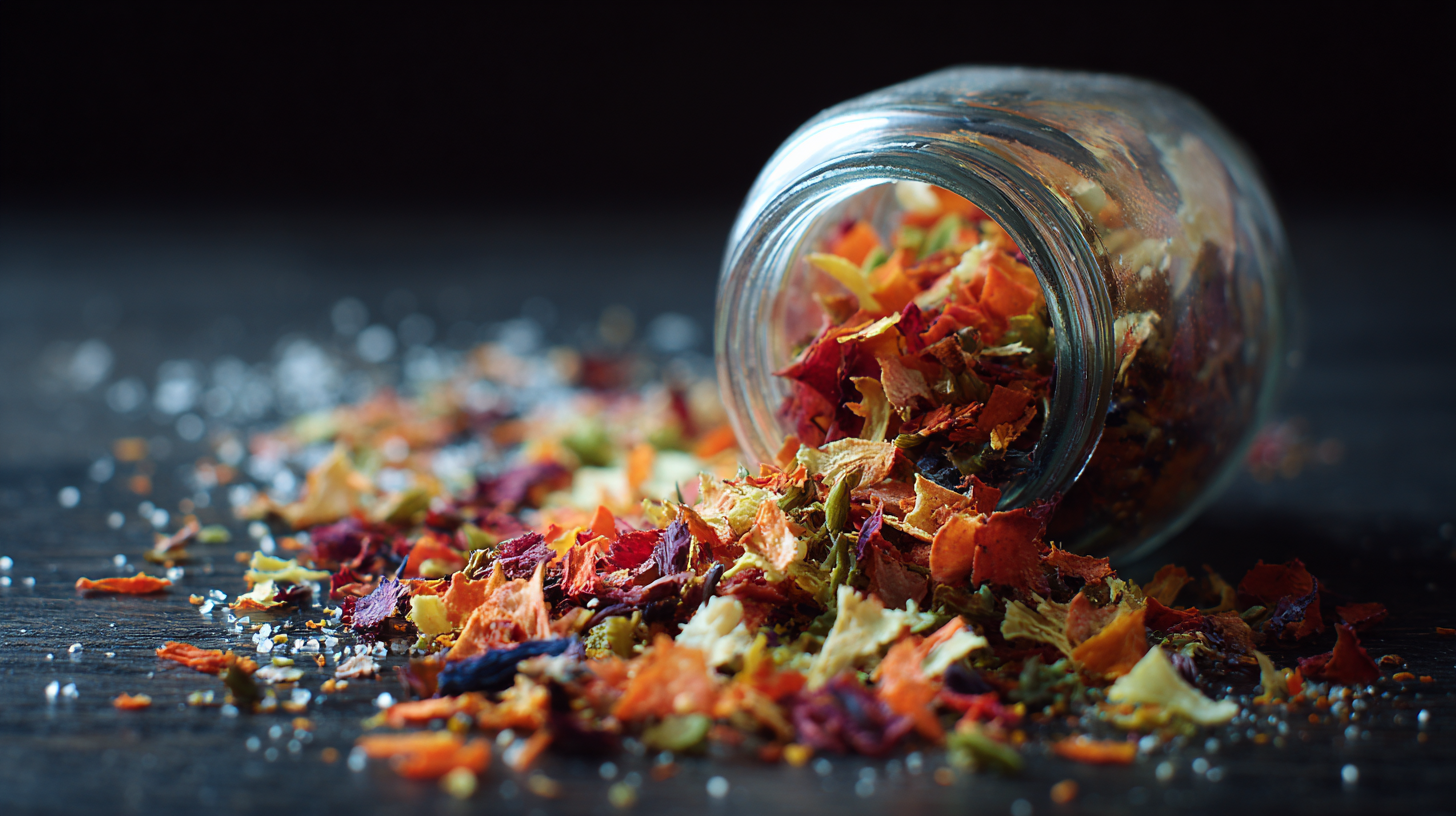
When the fridge goes quiet and the produce drawer is a ghost town, dehydrated veggies step up and do the heavy lifting. They’re light, long-lasting, and packed with nutrients, just waiting for a little hot water and creativity. Whether you dehydrated them yourself or bought them in bulk, these humble bits of dried carrots, onions, tomatoes, and more are the backbone of tasty survival meals.
Forget bland rations and boring rice. With a good stash of dehydrated vegetables, you can build hearty stews, flavorful pastas, satisfying sides, and even comfort-food favorites,mall without refrigeration or a trip to the store. It’s about prepping smarter, not sadder.
Here are 15 ways to turn those dried veggie bits into meals you’ll actually be excited to eat, whether the grid’s down or you’re just stretching your grocery budget.
1. Hearty Dehydrated Vegetable Soup
Just toss a handful of mixed dehydrated veggies into broth with herbs and noodles or rice. Let it simmer and rehydrate fully. It’s warm, comforting, and endlessly customizable.
2. Veggie Fried Rice (Pantry-Style)
Rehydrate chopped carrots, peas, and onions in hot water, then stir-fry with leftover rice, soy sauce, and powdered egg or canned meat. Tastes like takeout in a blackout.
3. Dehydrated Hash Browns
Rehydrate shredded potatoes, then fry in oil or butter until golden brown. Add some onion flakes and garlic powder for a savory boost.
4. Creamy Pasta Primavera
Boil pasta, stir in rehydrated broccoli, carrots, and bell peppers. Add powdered milk and cheese or butter powder for a creamy sauce.
5. Emergency Shepherd’s Pie
Rehydrate mixed vegetables and layer them over instant mashed potatoes and canned meat. It’s comfort food with a survival twist.
6. Stuffing Side Dish
Mix rehydrated celery, onions, and herbs with dried bread cubes and broth. It’s classic stuffing you can make without fresh ingredients.
7. Ramen Veggie Boost
Add dehydrated corn, peas, and scallions to ramen while it cooks. It bulks it up and adds much-needed nutrients to a quick meal.
8. Veggie Oat Patties
Mix rehydrated veggies with instant oats and seasonings, then form into patties and fry. A surprisingly tasty and filling meatless meal.
9. Survival Pizza Toppings
Hydrate onions, peppers, mushrooms, and tomatoes to top your flatbread pizzas. Add a smear of tomato paste and shelf-stable cheese.
10. Tomato-Based Pasta Sauce
Rehydrate tomatoes, onions, and garlic, then blend or mash for a rustic pasta sauce. Add herbs and canned meat if desired.
11. Chili with Dehydrated Veggies
Toss a mix of veggies into canned beans, spices, and broth to build a thick chili. Bell peppers and onions add that perfect kick.
12. Instant Veggie Omelet
Use powdered eggs and rehydrated bell peppers, onions, and tomatoes. Cook like an omelet or scramble and serve with a side of rice.
13. Dehydrated Veggie Tacos
Mix rehydrated cabbage, onions, and corn into taco meat or beans. It gives a fresh crunch to tortillas or flatbreads.
14. Bulgur or Couscous Veggie Pilaf
Rehydrate finely chopped vegetables and stir into cooked couscous or bulgur wheat. Season with salt, garlic, and olive oil.
15. Survival Lasagna
Layer rehydrated spinach, mushrooms, and tomato slices with shelf-stable noodles, powdered cheese, and sauce. Bake or pan-cook until heated through.
Final Thoughts from Survivalist Chick
Dehydrated vegetables are quiet heroes. They take up hardly any space, but bring meals to life when you need them most. Whether you’re hunkering down or cooking under the stars, learning to use them well means you can eat like a queen, even when the world’s on pause.
Keep them sealed tight, learn which ones need longer soaks, and stock up on your favorites. These little flavor bombs just might save your sanity and your dinner.
Let’s eat!
—SurvivalistChick
Food Storage
How to Cook Without Power: 10 No-Electricity Meal Hacks That Actually Work
When the grid’s down and your stove’s dead, you still need to eat. Here’s how to cook without power like a survival-savvy woman.

When the lights go out, most people panic. They open the fridge a dozen times, fiddle with the microwave like it might magically work, and stare at their cold stove like it betrayed them. But not you. You’re a Survivalist Chick, and you know hunger doesn’t care if the grid is down. If anything, that’s when your cooking skills matter most.
Whether you’re facing a storm outage, rolling blackouts, or a full-on collapse, you need to be able to feed yourself and your family without flipping a single switch. That means thinking ahead, having the right tools, and knowing a few tricks that don’t rely on electricity or modern comforts. The good news? You don’t need a gourmet kitchen to whip up hot, filling, and even tasty meals when everything else fails.
Below are 10 real-deal meal hacks for when the power’s out, the grid’s gone, or you’re just living like the badass you are. Some of these require a little gear, some just a solid plan, but every single one will keep you fed, fueled, and ready to face whatever comes next.
1. Use a Butane or Propane Camping Stove
One of the easiest ways to cook without power is with a compact camping stove. Butane and propane stoves are affordable, easy to store, and don’t require any complicated setup.
These are great for boiling water, making soups, reheating canned goods, and frying basic meals like eggs or rice. Keep extra fuel canisters on hand, and always cook in a well-ventilated outdoor area.
Survivalist Chick Tip: Practice using your stove before you need it. Nothing’s worse than reading instructions by candlelight when you’re starving.
2. Harness the Power of a Rocket Stove
Rocket stoves use minimal wood but produce high heat, perfect for outdoor cooking. They’re compact, efficient, and work even in wind and light rain.
You can cook anything you’d cook on a regular stovetop, from rice and beans to frying up canned Spam or heating soup. Great for backyards, balconies, or bug-out locations.
These type of stoves are super popular with backpackers, so you may be able to pick up a used one, especially at the end of the camping season.
Survivalist Chick Tip: You can buy one, or build a DIY rocket stove from bricks, cans, or cinder blocks. It’s a fun weekend project that could save your life later.
3. Break Out the Solar Oven
Got sunshine? Use it. A solar oven lets you bake and slow-cook meals with just sunlight. They’re perfect for baking biscuits, roasting vegetables, or cooking stews, slow and steady wins the survival race.
They take longer than traditional cooking but require zero fuel and work silently, which is a bonus in stealth situations.
Survivalist Chick Tip: Start cooking early in the day and plan meals that don’t require precise timing. Bonus: it doesn’t heat up your space like an open flame.
4. Grill Like a Survival Queen
Charcoal or propane grills are great backup options when the power goes out. If you’ve got outdoor space, you’ve got a kitchen.
You can grill meat, toast bread, heat canned goods, or even cook scrambled eggs on a cast iron skillet. Just make sure your fuel supply is stocked.
Survivalist Chick Tip: Never grill indoors. Carbon monoxide kills faster than hunger. Keep it outside, always.
5. Get Comfortable With Cold-Prep Meals
Not everything needs heat. Cold-prep meals can be lifesavers, especially when time, fuel, or safety are limited.
Think: tuna salad, peanut butter wraps, overnight oats with powdered milk, or rehydrated couscous with oil and spices. If you’ve stocked canned beans, veggies, or meat, you’ve got a meal.
Survivalist Chick Tip: Keep a handwritten list of your go-to no-cook recipes. In the dark and stress, your brain might not remember them.
6. Cook With Sterno or Alcohol Stoves
These small flame sources are perfect for warming small meals or boiling water. They’re quiet, lightweight, and easy to use indoors with proper ventilation.
Use them with mess kits, mini pans, or camp cookware. Just don’t expect to cook a roast, this is about simplicity and survival.
Survivalist Chick Tip: Sterno cans are easy to stock and store for years. One can lasts around 2 hours, track your use so you know how much to store.
7. Fire Pit Cooking (Because Why Not Be a Pioneer Woman?)
If you’ve got a fire pit, you’ve got options. Wrap foil meals in layers and cook in the coals, or use a grate to fry, boil, or simmer.
Think: foil packet meals with rice and canned chili, roasted potatoes, even toasted bread or bannock over open flame.
If you go camping a lot, definitely try this style of cooking when campfires are permitted. Not quite ready for showtime? Cook sides in this manner instead. And don’t forget something as simple as hotdogs on a stick.
Survivalist Chick Tip: Keep long tongs, gloves, and cast iron tools on hand. Hot coals don’t care if your nails are painted.
8. Canned Heat + Small Pan = Hot Meals Anywhere
Use canned heat (like chafing dish fuel) to warm soup, make oatmeal, or cook a small skillet meal. It’s low-flame, easy to use, and designed for indoor environments like buffets.
Pair it with a stable surface and a metal pan or mess kit for maximum flexibility.
Survivalist Chick Tip: These fuels last hours and are safer than candles. Keep a stash tucked away in your blackout kit.
9. Instant Meals + Hot Water
Even if you can’t full-on cook, boiling water gives you power over a wide range of meals. Think instant mashed potatoes, ramen, soup packets, and freeze-dried meals.
You just need a Jetboil, camp kettle, or heat-safe pot and something to boil water with (see: rocket stove, Sterno, etc.). If you have a wood stove with a spot to place a pot on top, even better.
Survivalist Chick Tip: Store seasoning packets and instant mix-ins in ziplocks. Plain ramen gets old fast, flavor is a morale booster in hard times.
10. Keep a Manual Cooking Kit Ready to Go
None of these methods matter if you don’t have the right gear. That means hand tools, mess kits, utensils, manual can openers, cutting boards, and heat-safe cookware all pre-packed.
Create a “no power kitchen” bin with your emergency cooking essentials and store it near your fuel sources. Think of it as your blackout kitchen-in-a-box.
Survivalist Chick Tip: Test your setup during a planned “grid-down day.” You’ll learn fast what works, what’s missing, and what needs upgrading.
Final Thoughts From Survivalist Chick
You don’t have to fear the dark if you’ve got a plan. Cooking without power isn’t about gourmet meals, it’s about staying calm, fed, and fueled when everything else is falling apart. With a little preparation and the right gear, you’ll be flipping flapjacks by flashlight while your neighbors are crying over cold cereal.
Prep now, cook later, and when that next outage hits, you’ll be the one dishing out dinner like a queen in combat boots.
You’ve got this.
—Survivalist Chick
Food Storage
Beyond Coffee: 11 Caffeine Sources Every Survivalist Should Prep For
The best non-coffee caffeine options you should stockpile (and plant) now, because a caffeine-deprived meltdown is not the vibe we’re going for when things get tough.

You might love your morning cup of joe, but when the grid goes down, your Keurig isn’t going to save you. In a long-term emergency, staying sharp, alert, and energized can make all the difference, whether you’re on night watch, dealing with physical fatigue, or just needing a mental boost after days of stress and low sleep.
Coffee will also have huge value on the black market in an apocalypse scenario, so if you can use your coffee for bartering, while getting your caffeine from other sources, you are far ahead of the game.
But what if coffee runs out? Or your body can’t tolerate it? That’s where prepping alternative caffeine sources gives you a serious edge. The best part? Some of them you can grow yourself, stash in your bug-out bag, or brew over a campfire.
Let’s break down the best non-coffee caffeine options you should stockpile (and plant) now, because a caffeine-deprived meltdown is not the vibe we’re going for when things get tough.
1. Black and Green Tea
Black and green teas are two of the most accessible and widely consumed non-coffee caffeine sources around the world. They come from the same plant, Camellia sinensis, but are processed differently. Black tea is fully oxidized, giving it a robust, bold flavor, while green tea is minimally processed to preserve its lighter, earthy notes. Both provide a moderate caffeine kick, typically ranging from 30 to 70 mg per cup. They also contain L-theanine, an amino acid that calms the nervous system and smooths out the energy spike, making tea a gentler, steadier option than coffee in high-stress survival scenarios.
From a prepper’s perspective, black and green tea are easy to store, last a long time, and are lightweight enough to stash in bug-out bags or cache kits. Vacuum-sealed bags or individually wrapped tea bags will keep your stash fresh for years if stored in a cool, dark place. Beyond their caffeine content, these teas offer immune support, antioxidants, and hydration, a triple win in any survival setting. Even better, you can use tea for more than drinking: cold black tea works as an eye compress for swelling or fatigue, and brewed green tea can be used for cleaning minor cuts or rashes.
While you can sometimes save a bit of money with loose tea, from a prepper perspective, it can take much longer, is much more prone to spillage, and also means you cannot re-use tea bags as needed. For this reason, I prefer tea in bags.
Also, be certain you don’t accidentally purchase the decaffeinated versions!
Prep Tip: Stock vacuum-sealed or individually wrapped tea bags for long shelf life. Loose leaf teas can be stored in mylar with oxygen absorbers.
Growable? Sort of. Traditional tea (Camellia sinensis) can grow in warm, humid climates (think Zone 8+), though it’s a commitment. If you’re in the right region, it’s a great homestead addition.
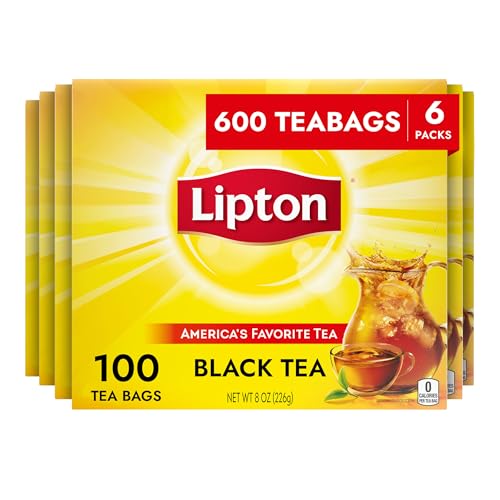
- LIPTON BLACK TEA: Indulge in a Lipton black tea with a blend of orange pekoe, pekoe cut black tea...

- Delicate Green Tea: Our Classic Green Tea provides essential antioxidants making it delicious and...
2. Yaupon Holly (Growable U.S. Native Caffeine Source)
Yaupon holly is one of the best-kept secrets in American prepping. It’s the only plant native to the U.S. that naturally contains caffeine, and it’s been used for centuries by Indigenous peoples for energy, clarity, and ceremony. The leaves of Ilex vomitoria (don’t worry, the name is misleading) can be harvested, dried, and brewed into a smooth, clean-tasting tea with a mild caffeine content. Unlike coffee, it doesn’t cause jitteriness and contains theobromine, which gives a pleasant mood lift and can help ease anxiety.
What makes yaupon a powerhouse prepper plant is its growability and sustainability. It thrives in Zones 7 through 10, is drought tolerant, and is evergreen, meaning you can harvest year-round. A few mature bushes can easily support a family’s caffeine needs long-term. You can roast the leaves lightly to deepen the flavor or mix them with herbs like mint or citrus peel to make your own signature survival tea blends. Store the dried leaves in airtight containers, and you’ve got a long-lasting caffeine source that doesn’t rely on imports or modern supply chains.
How to use: Dry the leaves, roast lightly, then steep for a clean, earthy tea with caffeine. You can sweeten with honey or blend with mint.
Grow it yourself: It’s easy to grow in Zones 7–10, drought-tolerant, and beautiful in a survival garden.
Survivalist Chick Tip: Blend Yaupon with dried citrus peel and a pinch of cinnamon for a DIY “morning zest” tea.
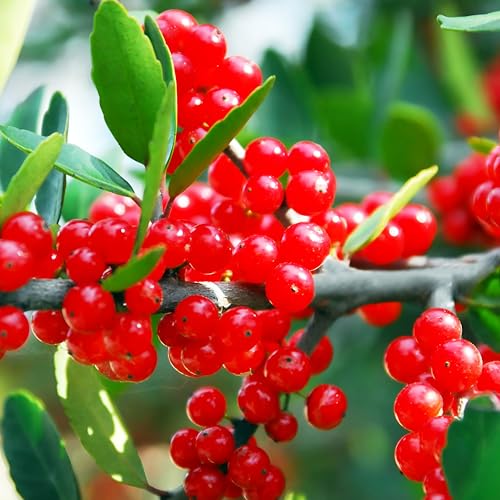
- High Germination Rate: Our holly bush seeds for planting boast up to 90% success with proper care....
3. Caffeinated Drink Mixes & Tablets
Caffeinated drink mixes and electrolyte tablets are a brilliant addition to any prepper’s go kit. These small, single-serve packets contain caffeine, vitamins, and sometimes electrolytes, making them perfect for quick boosts of energy when you’re physically drained. Brands like MiO Energy, GU, and Nuun offer options that can be poured into a water bottle for an instant pick-me-up with no boiling water or steeping required. That makes them ideal for situations where you’re on the move and need to stay sharp.
Their portability is their biggest strength. A handful of these in a side pouch weighs virtually nothing, but they can provide a mental reset when you’re facing long hikes, bug-out routes, or night watch rotations. They’re also discreet and fast-acting. Look for versions without artificial sweeteners or dyes if you’re sensitive to additives. Since many of these include electrolytes, they’re doubly useful during hot weather or illness, when dehydration can set in fast. For prepping purposes, choose sealed tablets or dry mixes for the longest shelf life and ease of storage.
Why prep them: Lightweight, portable, and shelf-stable for years depending on the type. These can keep you going during bug-outs, long hikes, or watch duty when energy slumps.
Watch out for: Artificial ingredients. Try to choose ones without aspartame or dyes if possible.

- SPORT HYDRATION WITH A CAFFEINE BOOST: Nuun Sport + Caffeine electrolyte tablets deliver a gentle...
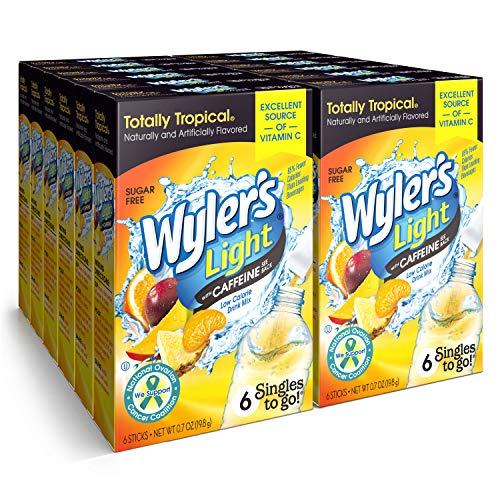
- 96 TOTAL SERVINGS: Each case contains 12 boxes of Wyler’s Light, each box has 8 tasty packets of...

- ENHANCE YOUR ACTIVE LIFESTYLE: Keep a tube in your gym bag, car, purse, desk, hiking pack or...
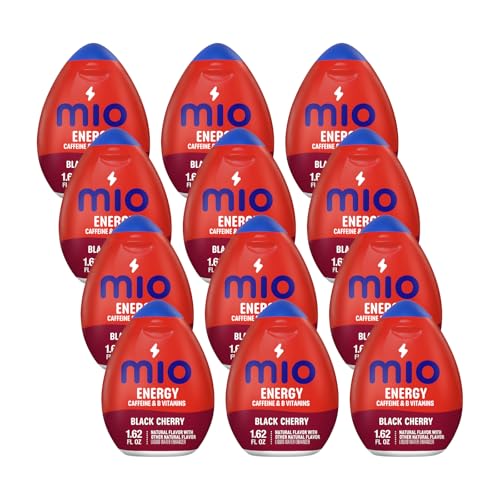
- Give water a boost of caffeine and B vitamins with Mio Energy Naturally Flavored Black Cherry Liquid...
4. Yerba Mate
Yerba mate comes from the Ilex paraguariensis plant and is a staple energy drink across much of South America. It delivers roughly 85 mg of caffeine per serving, putting it almost on par with coffee, but many users report that it produces a smoother, longer-lasting energy boost without the crash. Yerba mate also contains theobromine and other beneficial compounds, making it an all-around mood enhancer and mental stimulant.
Although it’s not easily grown in most of North America unless you have a tropical climate, it’s widely available in loose-leaf or bagged forms for long-term storage. Yerba mate is often sipped through a gourd and metal straw (bombilla), but you can brew it like regular tea. For a survival twist, try cold brewing it in a jar of water and letting it steep in the sun. If you’re prepping for grid-down scenarios, mate is a fantastic item to barter or trade, especially with caffeine-addicted friends and neighbors looking for something familiar. Store it in a sealed container away from moisture for best results.
Storage Tip: Buy it loose leaf in vacuum-sealed bags for long shelf life. It’s available roasted or unroasted depending on your flavor preference.
Grow it? Only in tropical/subtropical climates, so most will need to stock this one rather than grow it.
Flavor profile: Earthy, grassy, and slightly bitter. Add lemon or honey to cut the bite.

- MAGIC FOR YOUR MIND & BODY: Each scoop of Yerba Magic blends yerba mate, lion’s mane mushroom,...
5. Dark Chocolate & Cacao Nibs
Chocolate isn’t just a comfort food, it’s a low-key survival staple. Dark chocolate, particularly 85% cacao and higher, contains both caffeine and theobromine, a gentle stimulant that increases alertness and focus without the intensity of coffee. It also boosts serotonin and endorphin levels, helping combat the emotional exhaustion that often comes with crisis. A few squares of dark chocolate can act like a mental reset button during high-stress or high-demand moments.
Cacao nibs are even more shelf-stable than bars and can be used in trail mixes, eaten raw, or ground into a hot drink. They’re lightweight, rich in antioxidants, and require no prep, just open and eat. You can store cacao nibs in mylar bags or glass jars with oxygen absorbers for long-term use. For preppers who value morale as much as nutrition, having a chocolate stash can be a game-changer, especially when bugging out with kids or navigating high-pressure group dynamics. The ability to trade or share a piece of chocolate may be more valuable than you think.
Why prep it: Sealed dark chocolate bars (85% cacao or higher) store well in cool, dry conditions. Cacao nibs last even longer and can be eaten straight, used in trail mix, or ground into hot drinks.
Bonus: Chocolate improves morale. And let’s be honest, emotional comfort has a place in survival.

- Twelve (12) 3.5 oz. Bar of Lindt EXCELLENCE 90% Cocoa Dark Chocolate Bar
6. Guayusa
Guayusa (pronounced gwhy-you-sa) is a lesser-known cousin of yerba mate, harvested from a holly tree native to the Amazon rainforest. It contains a similar caffeine content, between 40 to 90 mg per cup, but with a smoother energy profile and virtually no bitterness. Guayusa has been traditionally used by Indigenous Ecuadorian communities for stamina and mental clarity, often brewed before early-morning hunts. It provides a balanced, jitter-free focus thanks to its natural theobromine and antioxidants.
Although it’s not something you can grow easily in North America, guayusa is increasingly available as a shelf-stable tea. It comes in loose-leaf or bagged versions and has a sweet, almost floral taste that pairs well with herbs like lemongrass or ginger. For a prepper pantry, guayusa makes a great addition to your tea rotation, especially if you’re looking for a less acidic, gentler alternative to black tea or yerba mate. Keep it sealed in a dry, cool space and it’ll last for years, ready to steep when your energy starts to lag.
How to prep: Available dried in loose leaf or bagged form. Seals well in mylar for years of storage.
Survivalist Chick Tip: Try blending guayusa with peppermint and rosehips for an immune-boosting energy tea.
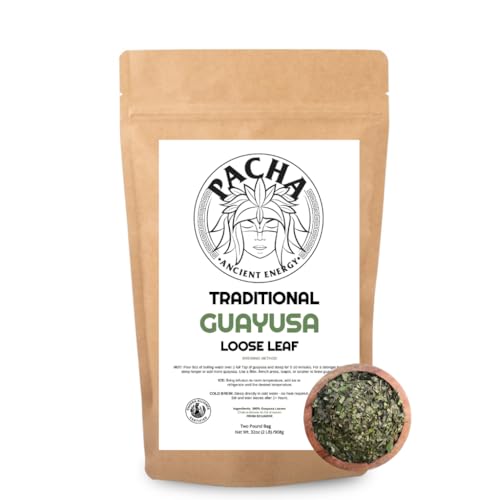
- ✓ CHAKRA ALLIANCE CERTIFIED | Our guayusa loose leaf is naturally grown in Amazonian chakra...
7. Matcha
Matcha is powdered green tea, made from shade-grown leaves that are stone-ground into a fine, vibrant powder. Unlike steeped tea, where you discard the leaves, drinking matcha means consuming the entire leaf, giving you higher levels of caffeine and nutrients. One serving provides roughly 70 mg of caffeine, but thanks to its high L-theanine content, the energy it gives is more of a calm, sustained alertness than a spike-and-crash.
From a survivalist standpoint, matcha’s biggest strength is its shelf-stable powdered form. It takes up very little room and can be mixed into water, milk, smoothies, or even baked goods for a nutritious boost. It also contains chlorophyll, which supports detoxification, and EGCG, a powerful antioxidant. If you’re prepping for long-term scenarios where coffee is off the table, matcha is a clean and versatile replacement. Just be sure to store it in an airtight container away from light, as it can lose potency quickly when exposed to air or moisture.
How to Prep: Stock up on ceremonial or culinary grade matcha powder in sealed tins or vacuum-packed pouches. Keep it in a cool, dark space such as a root cellar, airtight bucket, or mylar bag with an oxygen absorber to preserve freshness. Pair it with a small bamboo whisk or tiny shaker bottle to mix easily with water when you’re on the move.
Survivalist Chick Tip: Matcha isn’t just for sipping. Stir a little into oatmeal, pancake mix, or energy bars for a steady caffeine boost that also calms nerves and sharpens focus. In high-stress survival situations, that balance between alertness and calm is gold.

- Natural unsweetened organic matcha powder. Fresh culinary grade raw ingredients. Real Japanese green...

- Special Features – Organic certified culinary grade matcha that is naturally unflavored without...
8. Kola Nut
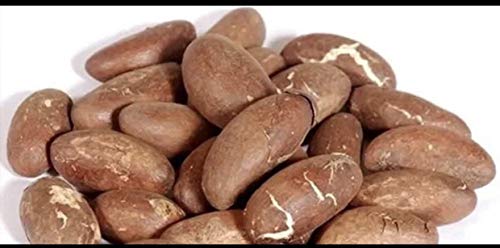
Kola nuts are the original source of caffeine in cola beverages and come from the Cola species of trees, native to West Africa. They’re incredibly caffeine-rich, up to 3.5% by weight, making them one of the most potent natural sources available. In a survival context, just a small piece of dried kola nut can provide a quick, portable dose of alertness and mental clarity.
You can chew the nut directly, grind it into powder for a tea-like drink, or even infuse it into energy tonics. While kola nuts aren’t something most North Americans can grow, they can be bought dried or powdered and stored long-term in airtight containers. They’re also rich in antioxidants and can aid digestion. For preppers looking for compact, long-lasting energy sources to include in bug-out bags or bartering stashes, kola nut is an unusual but effective addition.
How to Prep: Purchase dried kola nuts whole or in powdered form. Store in sealed containers or food-safe mylar bags with oxygen absorbers for long-term shelf life. Powdered kola nut can be brewed like tea or used to make homemade energy tinctures, and whole nuts can be chewed for a quick jolt of energy on the trail.
Survivalist Chick Tip: Use powdered kola nut in small amounts. It’s potent and can easily be blended with cocoa, cinnamon, or dried fruit powders to create your own “bush cola” survival drink. Just a pinch in warm water can carry you through the toughest stretch of your bug-out route.
9. Ginseng (Panax)
While not caffeinated in the traditional sense, ginseng deserves a place in this list because it’s a powerful adaptogen and natural energy enhancer. It doesn’t contain caffeine, but it boosts stamina, improves mental clarity, and combats fatigue, especially during stressful situations. Panax ginseng, in particular, is widely used in traditional Chinese medicine to support resilience and vitality.
Prepper-wise, dried ginseng root or powdered capsules are easy to store and have an incredibly long shelf life. You can grow certain varieties like American ginseng (Panax quinquefolius) in shaded woodland environments, making it a viable homestead crop. Brew it as a tea, chew on dried pieces, or use it in tinctures to boost your endurance without overstimulating your nervous system. For long-haul prepping and grid-down scenarios, ginseng is a trusted herbal ally that won’t let you crash or burn out.
How to Prep: Store dried ginseng root slices or powdered capsules in cool, airtight conditions. You can also make your own tincture by soaking slices in high-proof alcohol for 6–8 weeks, then storing in dropper bottles. Consider growing American ginseng in shaded corners of your yard or forested homestead for a long-term, renewable source.
Survivalist Chick Tip: Ginseng is a great tool for hormonal support during survival stress, especially for women. Use it when you need to think clearly, stay awake during a night shift, or maintain stamina without the crash of coffee. It’s your herbal backup battery when the mental fog rolls in.
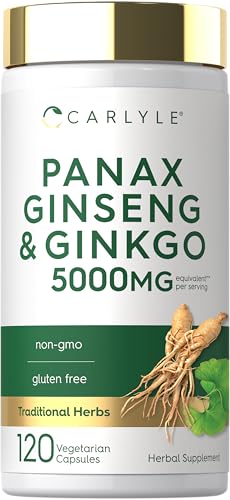
- COMBINED BOTANICALS: Two beneficial botanicals, Ginseng and Ginkgo Biloba, in one unique formula
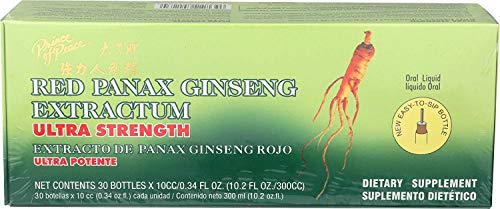
- Red Panax Ginseng Extractum Ultra Strength
10. DIY Caffeinated Herbal Tea Blends You Can Grow
If you want caffeine security that doesn’t rely on imports or stores, growing your own is the way to go. While black and green teas come from Camellia sinensis, which grows best in Zones 7 and warmer, there are other blends you can grow and mix yourself to simulate a morning pick-me-up. Blending homegrown herbs with caffeinated leaves like yaupon can stretch your supply while adding flavor and medicinal benefits.
Great grow-at-home herbs for caffeine-style blends include peppermint (for clarity and digestive ease), lemon balm (for calming), spearmint (uplifting), lavender (mood support), and even dried citrus peels (for flavor and vitamin C). If you have yaupon holly or a small tea bush, you can dry the leaves and mix your own blend for a custom “Survivalist Chick Tea.” Store herbs in mason jars or mylar pouches with oxygen absorbers for maximum shelf life. This kind of DIY tea not only provides energy but gives you comfort, warmth, and routine, three things that matter deeply when things fall apart.
Best caffeine-adjacent herbs to grow:
- Peppermint: Refreshing and increases alertness. Easy to grow in pots.
- Ginseng: Natural adaptogen that supports energy and endurance. Grow in shaded areas, takes a few years to mature.
- Lemon Balm + Ginger Root: Combine for mental clarity and digestive support.
Bonus blend: Dried ginger + ginseng + peppermint + cacao nibs = Survivalist Chick’s “Wake Up and Hustle” tea.

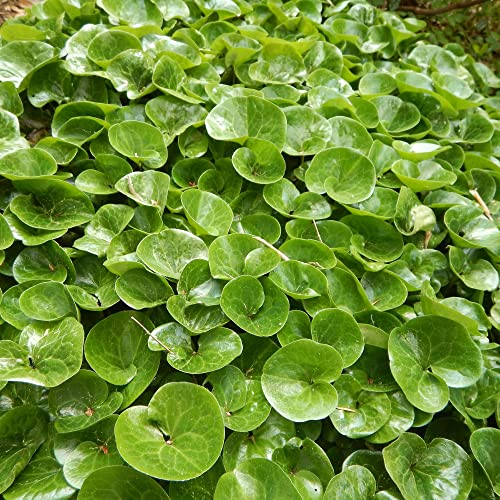
- HIGH GERMINATION FOR SUCCESSFUL GROWTH – Grow vibrant peppermint plants with a high germination...

- Roots are 4 year old transplant roots

- Sprout Quickly and Effortlessly - Achieve a quick start with our lemon balm seeds, boasting an...
11. Caffeine Pills or Gum
Caffeine pills are one of the most space-efficient and budget-friendly caffeine options for preppers. They contain a precise dose, usually 100 to 200 mg, making it easy to track intake and ration supply. Unlike coffee or tea, they require no prep, no water, and no heat, which is crucial in scenarios where fire or cooking isn’t possible. Pills have an extremely long shelf life when kept dry and sealed, and they’re lightweight enough to carry in every bag, from your bug-out to your EDC kit.
Caffeine gum is another overlooked gem. It’s fast-acting, thanks to absorption through the cheeks and gums, and can deliver energy within minutes. Chewing also helps with alertness and stress reduction, making it doubly useful during tense situations or long hikes. You can find military-grade versions designed for tactical use or grab some civilian options like Run Gum or Military Energy Gum to stash in your gear. Both are ideal for driving, night patrols, or keeping alert when sleep isn’t an option.
Pros: Long shelf life, small footprint, no water or heat required.
Cons: Easy to overdo. Monitor closely, especially with teens.
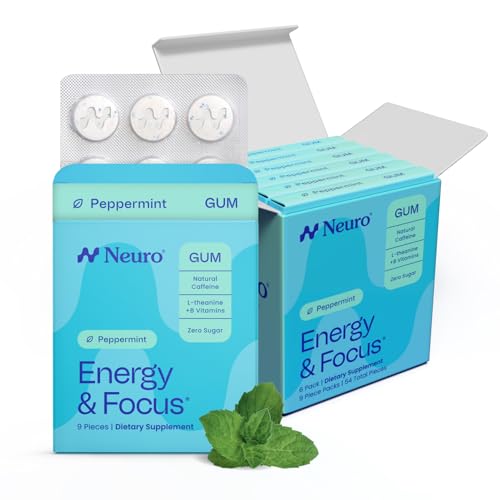
- Fast-Acting Nootropic - Our energy supplements deliver a balanced boost of energy and clarity with a...
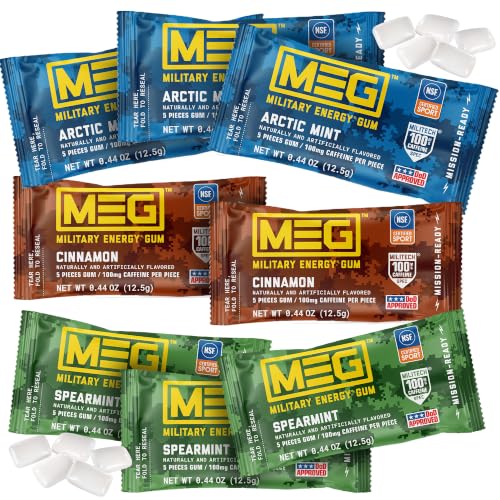
- MEG delivers caffeine to your system 5x faster than energy drinks through rapid absorption in the...
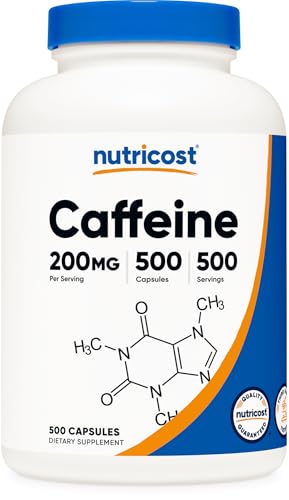
- 200mg of Caffeine Per Capsule
Final Thoughts from Survivalist Chick
Coffee’s great, but it’s not your only option. A smart prepper knows how to diversify their caffeine supply just like their food, fuel, and water. From growing your own yaupon or peppermint to keeping emergency caffeine tablets tucked in your go bag, you’ve got choices.
So next time someone side-eyes your herbal tea stash or cacao nib stockpile, smile and sip your energy booster in peace, because when the caffeine runs dry, you’ll still be ready to roll.
Stay sharp. Stay caffeinated. Stay fierce.
—Survivalist Chick

15 Tasty Ways to Use Dehydrated Veggies in Survival Meals
How to Cook Without Power: 10 No-Electricity Meal Hacks That Actually Work

20 Things You Should Have in Your First Aid Preps, But Probably Don’t

How to Prepare for Power Outages: A Guide to Staying Safe When the Lights Go Out

How to Pack Your Vehicle for a Fast Evacuation With Kids: Family-Friendly Systems That Work

Beyond Coffee: 11 Caffeine Sources Every Survivalist Should Prep For

15 Easy Ways to Make Plain Rice Taste Amazing (Prepper & Budget-Friendly Hacks)

18 Canned Goods Everyone Should Stockpile for a Prepper Pantry

10 Survival Skills Every Woman Should Know Before the Grid Goes Down
30+ Foods with a Long Shelf Life Every Survivalist Chick Should Stock Up On

- 15 Tasty Ways to Use Dehydrated Veggies in Survival Meals

- How to Cook Without Power: 10 No-Electricity Meal Hacks That Actually Work

- 20 Things You Should Have in Your First Aid Preps, But Probably Don’t

- How to Prepare for Power Outages: A Guide to Staying Safe When the Lights Go Out

- How to Pack Your Vehicle for a Fast Evacuation With Kids: Family-Friendly Systems That Work

- What to Do If Your Bug-Out Vehicle Breaks Down Mid-Evacuation

- Urban Bug-Out by Vehicle: How to Escape a City Fast Without Drawing Attention

- Survivalist Chick Guide: Hobbies That Make You Apocalypse-Ready

- Beyond Coffee: 11 Caffeine Sources Every Survivalist Should Prep For

- 18 Canned Goods Everyone Should Stockpile for a Prepper Pantry

- Bugging Out with Teenagers: Turning Attitude Into Asset

- Survival Tomatoes: The 12 Best Heirloom Varieties to Grow for Canning and Eating


15 Tasty Ways to Use Dehydrated Veggies in Survival Meals
How to Cook Without Power: 10 No-Electricity Meal Hacks That Actually Work
20 Things You Should Have in Your First Aid Preps, But Probably Don’t
Beyond Coffee: 11 Caffeine Sources Every Survivalist Should Prep For
15 Easy Ways to Make Plain Rice Taste Amazing (Prepper & Budget-Friendly Hacks)
18 Canned Goods Everyone Should Stockpile for a Prepper Pantry
-
 Food Storage1 year ago
Beyond Coffee: 11 Caffeine Sources Every Survivalist Should Prep For
-
 Cooking & Recipes1 year ago
15 Easy Ways to Make Plain Rice Taste Amazing (Prepper & Budget-Friendly Hacks)
-
 Food Storage1 year ago
18 Canned Goods Everyone Should Stockpile for a Prepper Pantry
-
Safety1 year ago
10 Survival Skills Every Woman Should Know Before the Grid Goes Down
-
 Survival4 years ago
How to use a sillcock water key for emergency water access
-
 Survival Prep Item4 years ago
Can you sterilize sewing thread in boiling water?
-
 Cooking & Recipes1 year ago
15 Tasty Ways to Use Dehydrated Veggies in Survival Meals
-
Food Storage1 year ago
How to Cook Without Power: 10 No-Electricity Meal Hacks That Actually Work