
Health & Medical
20 Things You Should Have in Your First Aid Preps, But Probably Don’t


When most folks think of first aid kits, they picture a few bandages, a half-empty tube of antibiotic ointment, and maybe a bottle of aspirin that expired two years ago. And in everyday life, maybe that’s enough to deal with paper cuts and scraped knees. But in a real emergency. whether you’re bugging out, hunkered down during a disaster, or just miles from medical help, you’re going to need more than cartoon Band-Aids and wishful thinking. Your first aid preps should be ready for the real world, not the junk drawer.
Being prepared isn’t just about having “a kit.” It’s about building a system that can help you treat everything from blisters to broken bones, stop bleeding, clean wounds, and manage pain. A lot of the commercial first aid kits look pretty with their red pouches and big white crosses, but once you open them up, you realize fast they’re more fluff than function, and meant for minor ailments with a hospital or EMT mere minutes away. If you’re serious about survival, or just being the one your family can count on, then it’s time to upgrade.
This guide isn’t about the obvious stuff like bandages, gauze, and pain relievers (though yes, you should definitely have those too). These are the extras, the tools, treatments, and overlooked lifesavers that take your first aid prep from basic to badass. Some of them are tiny and cheap, others a little more of an investment, but all of them are worth it when you or someone you love is hurting and help is nowhere near. Don’t wait until you wish you had them, stock up now, while you can.
So let’s dig into the 20 must-have items most people forget, skip, or don’t even know exist. Because when things go sideways, you won’t get a second chance to pack your kit right. You’ll just have what you brought and the knowledge that you did it like a pro. Let’s go, you’ve got lives to protect.
1. Burn Gel with Lidocaine
Most first aid kits include basic bandages but leave out burn-specific treatments. Burn gel with lidocaine not only cools minor burns but also provides immediate pain relief. This is essential when dealing with cooking accidents, chemical burns, or heat exposure in the field. Keep individual packets or a small tube on hand, especially in kits used during outdoor activities.

- NEW AND IMPROVED FORMULA: This emergency burn gel with benzalkonium chloride and aloe vera gel now...
2. Hemostatic Gauze (like QuikClot)
Bleeding control is one of the most critical needs in trauma, yet most kits rely only on standard gauze. Hemostatic gauze is impregnated with agents that promote rapid clotting to stop serious bleeding fast. It’s a must-have in any trauma pack or bug-out bag. While expensive, it can make the difference between life and death in a major injury.
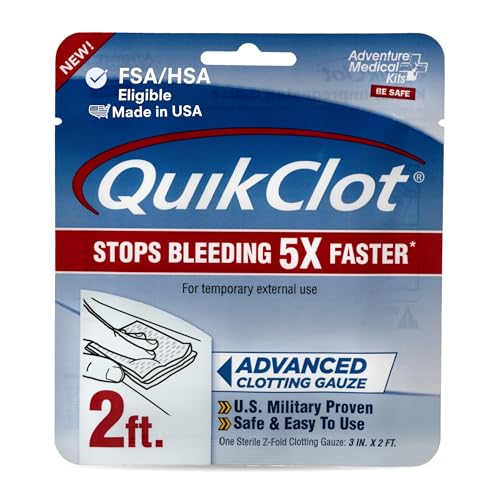
- Stop Bleeding Fast: Control bleeding with QuikClot hemostatic gauze, which acts to stop bleeding 5...
3. Electrolyte Powder Packets
Dehydration and electrolyte imbalance can be just as dangerous as bleeding or infection. These packets can be mixed into water to quickly replenish lost sodium, potassium, and glucose during heat exhaustion, diarrhea, or illness. They’re lightweight and take up virtually no space, making them perfect for bug-out bags. Look for options without added sugar for maximum practicality.

- Balanced daily hydration: Ultima electrolyte powder packets deliver daily hydration with all 6...
4. SAM Splint
A SAM splint is a lightweight, moldable device used to immobilize broken or sprained limbs. It takes up minimal room in a pack and can be reused multiple times. In a long-term emergency, where professional care may be delayed, stabilizing an injury is critical. Pair it with gauze and a triangle bandage to create a full limb support system.
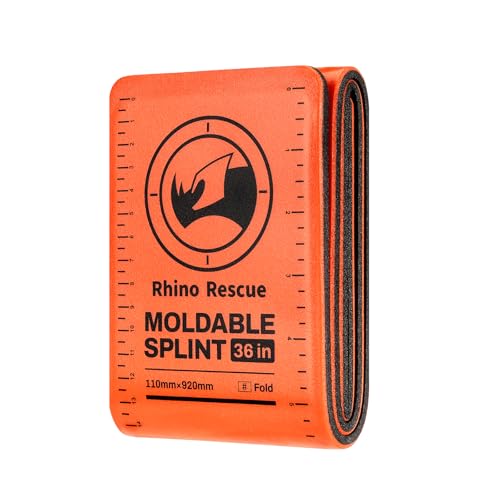
- 【Strong Support】The RHINO RESCUE Splint is built from a thin, light core of aluminum alloy which...
5. Dental Emergency Kit
Dental pain can be completely debilitating in a survival situation. A basic dental kit includes temporary filling material, dental wax, and tools to dislodge food or stabilize a cracked tooth. If a filling or crown falls out, these kits help minimize pain and prevent infection. Include clove oil as a natural numbing agent for additional relief.
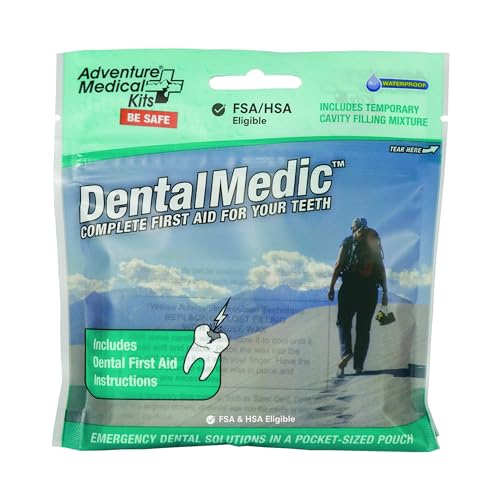
- Comprehensive Dental Kit: This emergency dental kit includes essentials for managing dental...
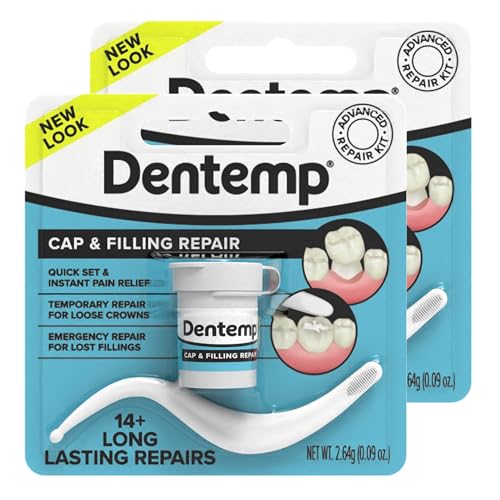
- LOOSE CAP AND LOST FILLING REPAIR: Loose cap, loose crown or lost filling? These dental emergencies...
6. Irrigation Syringe
Flushing wounds with clean water or saline is a key step in preventing infection. An irrigation syringe delivers targeted pressure to effectively clean debris from cuts, punctures, or abscesses. It’s a small, reusable tool but one that drastically improves wound care quality. Add it to your kit with sterile water or saline pods.

- 5 Pack 12ml Syringes with Curved Tip & measurement scale.
7. Tick Removal Tool
Ticks are more than just annoying, they carry diseases like Lyme and Rocky Mountain spotted fever. Regular tweezers can crush a tick, increasing the chance of infection. A proper tick tool removes the entire insect safely and cleanly. They’re tiny, lightweight, and often come with a magnifier or instructions for proper use.

- ✔️ BEST TICK REMOVERS FOR PEOPLE OR PETS - Kit includes stainless steel tick remover for safely...
8. Butterfly Closures
Sometimes you need to close a wound without stitches, and that’s where butterfly bandages come in. They pull the skin together to help it heal more quickly and reduce scarring. Unlike basic bandages, they can be used to treat deeper cuts that might otherwise require sutures. Keep several in your kit alongside regular adhesive strips.
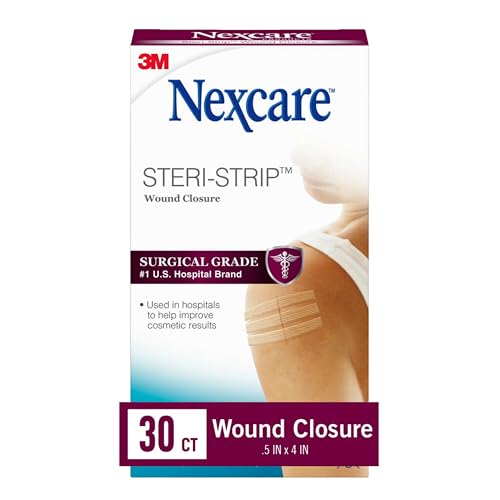
- AFTER STITCHES: Use one 30-pack of 0.25 in x 4 in (W x H). Nexcare Steri-Strip Wound Closures as...
9. Trauma Shears
These aren’t your average scissors, they’re designed to cut through clothing, seatbelts, or denim in an emergency. Trauma shears can help you access wounds quickly without harming the person beneath the material. They’re especially useful in car accidents or field injuries. Choose a stainless steel pair with a blunt tip for safety.
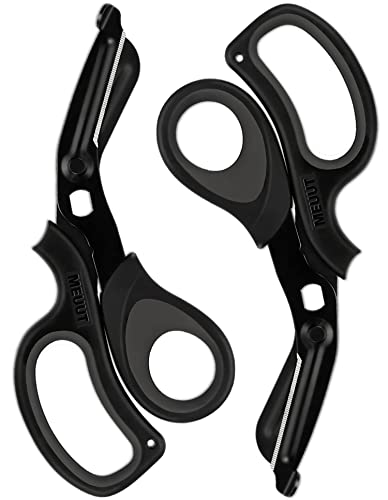
- 【PATENTED MEDICAL SCISSORS】: Cut anything safely and efficiently with these sharp, professional...
10. Activated Charcoal
Used for certain types of poisoning, activated charcoal binds to toxins and prevents absorption in the stomach. It’s a staple in poison control and emergency rooms, but often overlooked in home kits. While not for every poison, it’s effective for many chemical and drug overdoses. Store it in sealed packets or capsules and know when (and when not) to use it.
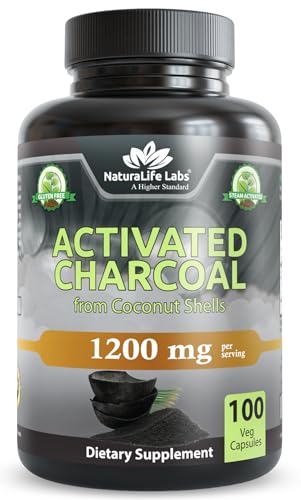
- ✔️ 1,200 mg per serving - Activated charcoal from coconut shells. Made using steam-activation...
11. Nasal Spray Decongestant
In a survival situation, breathing clearly can be vital, especially if you’re dealing with cold, allergies, or sinus infections. A nasal spray can quickly open up airways and make sleep and activity easier. It’s particularly helpful for children or anyone with asthma. Be aware of the limits on repeated use to avoid rebound congestion.
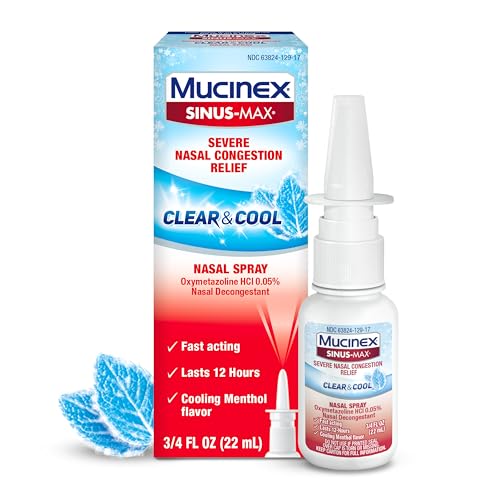
- MUCINEX OVER-THE-COUNTER NASAL SPRAY: Mucinex Sinus-Max Severe Nasal Congestion Relief helps relieve...
12. Antihistamine Cream
Oral allergy meds are common, but topical antihistamine creams offer faster relief for bites, stings, and rashes. They reduce swelling, itching, and redness without sedating you like pills sometimes do. They’re especially handy for kids who scratch at bug bites. Add a tube to your first aid kit for summer and field use.
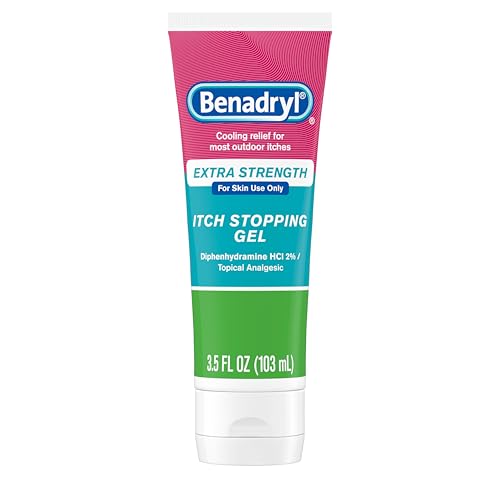
- Benadryl itch-relief gel: Formulated with the relief of 2% diphenhydramine HCI topical analgesic;...
13. Liquid Bandage
When a cut is in a hard-to-cover place, like your finger or joint, a liquid bandage works better than tape. It seals the wound from dirt and bacteria while allowing movement. It’s fast-drying and waterproof, making it ideal for high-humidity environments. Carry a small bottle in your everyday kit for quick fixes.

- Wound Care Solution: Think of it as a skin glue for wounds, a liquid skin bandage, or liquid skin to...
14. Thermometer (non-digital backup)
Fever is a key indicator of infection, and knowing the difference between mild and severe illness is critical. Digital thermometers are convenient, but they rely on batteries. A non-digital backup, like a mercury-free analog thermometer, ensures you’ll always have a working option. Store it safely in a hard case to prevent breakage.
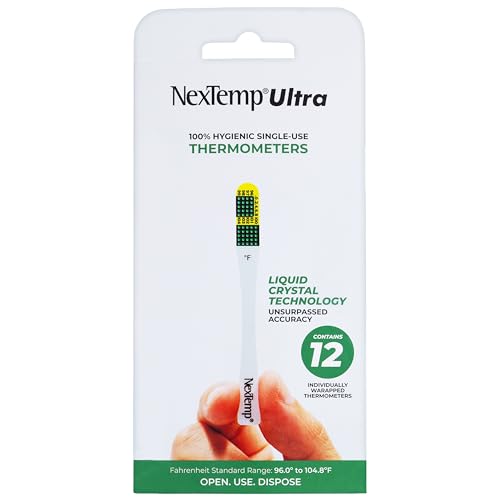
- Clean and Single-Use: NexTemp disposable thermometers are individually wrapped for hygienic oral or...

- Celsius Thermometer: Our thermometer is designed in Celsius. If you don't know how to read numbers,...
15. Eye Wash Solution
Dust, chemicals, or debris in the eyes can cause severe pain or injury. Eye wash helps flush out irritants before they cause infection or vision loss. It’s useful in home emergencies as well as wilderness survival. Include a small sterile bottle or single-use pods in your med bag.

- Package include: eye wash cup .

- Flush Eye Irritants: This sterile buffered eye solution provides instant relief by flushing and...
16. Clotting Powder (Celox or similar)
Like hemostatic gauze, clotting powders are used to stop bleeding fast, particularly in deep wounds or areas where pressure can’t easily be applied. Sprinkle the powder directly into the wound and apply pressure as directed. It’s compact, lightweight, and simple to use. Not a replacement for gauze, but a lifesaving addition.
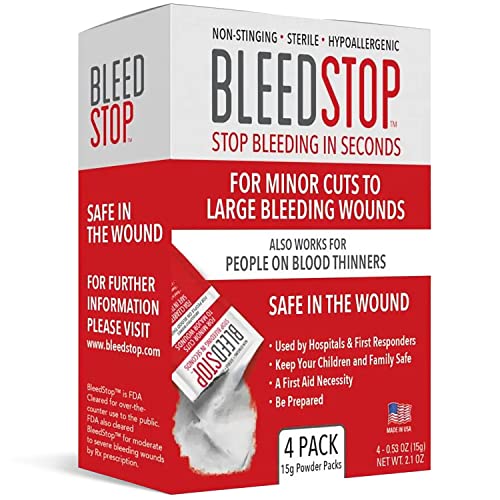
- BLEEDSTOP IS THE ONLY BRAND NAME BLOOD COAGULANT IN ALL WALGREENS, AND CVS . BleedStop is also...
17. Finger Splints
Finger injuries are incredibly common, especially when working with tools or outdoors. A simple splint can immobilize a jammed, fractured, or sprained finger until proper treatment is available. These take up very little space and weigh next to nothing. Add a few padded or adjustable types to your trauma supplies.
- BLEEDSTOP IS THE ONLY BRAND NAME BLOOD COAGULANT IN ALL WALGREENS, AND CVS . BleedStop is also...
18. Blister Prevention Patches (like moleskin)
Blisters might not sound serious, but on long hikes or in a bug-out scenario, they can quickly turn into infected wounds. Moleskin or hydrocolloid patches prevent rubbing and reduce pressure points before a blister forms. Apply them proactively to high-friction areas on your feet or hands. They’re especially helpful for breaking in new boots.
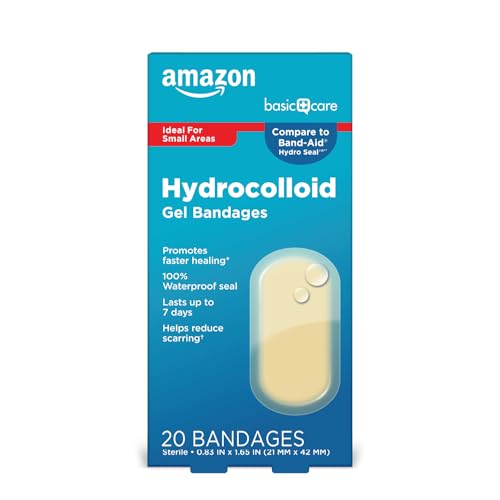
- Smart-heal Technology promotes faster healing by providing a moist wound environment to facilitate...
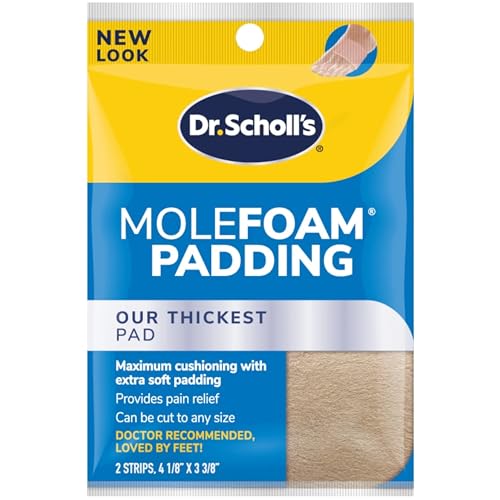
- Maximum Cushioning And Pain Relief For Calluses, Bunions, And Sensitive Heels
19. Anti-Nausea Medication (like Dramamine)
Nausea from illness, food poisoning, or motion sickness can severely limit your ability to function in a crisis. Anti-nausea tablets help control symptoms and keep fluids down. They’re important for both adults and children. Keep chewable or dissolvable versions in your travel kit and go-bag.
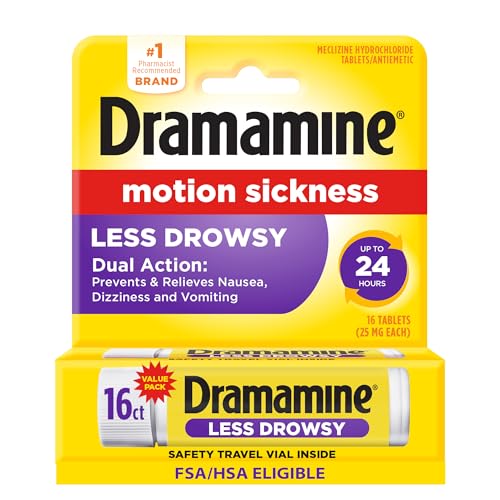
- Dramamine Motion Sickness Less Drowsy tablets relieve motion sickness symptoms with less drowsiness...
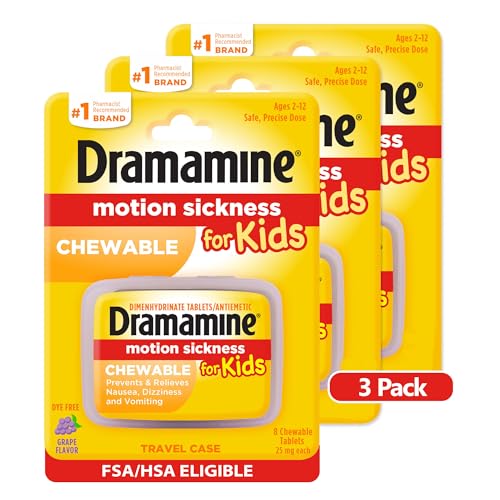
- Dramamine Motion Sickness for Kids is the only medicated motion sickness relief product formulated...
20. Tourniquet (CAT or SOF-T recommended)
While controversial in the past, tourniquets are now widely recommended in serious trauma situations involving arterial bleeding. A quality tourniquet can save a life when applied correctly and promptly. They’re not a DIY tool, invest in a medical-grade version and learn how to use it properly. Store one in every trauma kit, especially if you carry a firearm or use tools regularly.

- PROVEN EFFECTIVENESS: Demonstrated to be 100% effective in occluding blood flow in both upper and...
Final Thoughts from Survivalist Chick:
Don’t stop at a box of Band-Aids and a bottle of aspirin. Real prepping means preparing for the injuries that aren’t easy. Build a serious kit, train with it, and refresh it often. Because when the grid goes down, you’re the medic now.
Be prepared!
—Survivalist Chick


Why Pregnancy Preparedness Matters in a Crisis
Pregnancy is already a journey filled with physical changes, emotional highs and lows, and serious planning. Add a disaster, societal breakdown, or long-term emergency to the mix, and things get real very fast. Whether you’re already expecting or planning to become pregnant, prepping isn’t paranoia. It’s proactive motherhood.
Your body will be working overtime to support life, which means your preps need to do the same. You’re not just prepping for yourself anymore. You’re prepping for two and later, possibly more. And when hospitals may be overcrowded, supply chains unstable, or help delayed, having the right gear, knowledge, and mindset could mean everything.
What to Include in a Pregnancy Crisis Kit
Essentials for Expecting Moms:
- Prenatal vitamins (stock up—aim for at least 6 months’ worth, if you find ones with a great expiry date, more for future use)
- Comfortable maternity clothing (easy to layer, breathable)
- Compression socks and belly bands (in case of swelling or lower back pain)
- Natural remedies for morning sickness (ginger chews, peppermint tea)
- Iron-rich foods and protein bars for sustained energy
- Sturdy shoes and slip-on sandals
- Pregnancy-safe hygiene items (unscented soap, witch hazel, perineal wipes)
Survivalist Chick Tip: Keep a laminated copy of your pregnancy details (due date, blood type, known risks, allergies) with your ID or in your bag. If you’re unable to speak for yourself, it could save your life.
Prepping for Birth Without a Hospital
In a total breakdown, a hospital birth might not be possible. While most births proceed without complications, being ready to deliver at home or with limited support is empowering, not terrifying, when you have the right supplies and know-how.
Critical Supplies to Have On Hand:
- Clean sheets and towels
- Sterile gloves and scissors
- Umbilical cord clamps or sterilized ties
- Bulb syringe for baby’s airway
- Peri bottle for post-birth care
- Heavy-duty pads or reusable cloth pads
- Herbal tinctures (like shepherd’s purse for bleeding)
- Printed home birth instructions or midwife guidebook
- Emergency communication method if help is available (radio, phone, signal mirror)
Survivalist Chick Tip: You don’t need to be a midwife, but reading about the stages of labor and postpartum bleeding is essential knowledge for crisis scenarios. Confidence comes from preparation.
Caring for Baby in a Grid-Down World
Babies don’t wait for society to stabilize. Their needs are simple, but unrelenting. Focus on having cleanliness, warmth, nourishment, and closeness covered.
Must-Haves for Newborn Care:
- Cloth diapers and waterproof covers
- Diaper-safe cream or coconut oil
- Flannel receiving blankets and soft wraps
- Infant-safe thermometer
- Manual breast pump or nursing support items
- Formula and bottles (even if breastfeeding, have backup)
- Small water boiler or kettle for sanitation
- Baby sling or carrier for hands-free movement
Survivalist Chick Tip: Store water specifically for baby cleaning needs. A few extra gallons can go a long way for daily wipe-downs and bottle washing.
Caring for Your Body Postpartum
Once baby arrives, your survival kit needs to shift focus, because you’ll be healing too. Without modern conveniences or help nearby, gentle, nourishing care is essential to avoid infection and protect your well-being.
Recovery Essentials:
- Witch hazel pads or spray for perineal relief
- Reusable cloth pads or postpartum underwear
- Sitz bath herbs (comfrey, calendula, lavender)
- Energy bars and hydrating drinks
- High-protein shelf-stable snacks
- Laxatives or stool softeners if needed
- Simple baby-safe pain relief (Tylenol, ibuprofen)
Survivalist Chick Tip: Make a “Mama Bag” just for your recovery supplies. Don’t bury it at the bottom of a larger pack, you’ll need easy access when the time comes.
Final Thoughts from Survivalist Chick
Pregnancy during a crisis isn’t a worst-case scenario, it’s a call to elevate your preparedness with purpose and strength. Your instincts are sharp, your body is capable, and your determination to protect your little one makes you one of the most powerful survivalists out there.
Prepping for pregnancy and postpartum isn’t about fear. It’s about peace of mind, knowing that even when the world is uncertain, you’ve got this.
You are the life-giver. The protector. The plan-maker.
And you’re not alone.
—Survivalist Chick
Health & Medical
DIY Beauty and Hygiene Products for Grid-Down Living: Stay Fresh Without Store-Bought Supplies
When the power goes out and the shelves are bare, you can still stay clean, confident, and healthy, here’s how to make your own hygiene essentials.

Cleanliness may not be glamorous in a survival scenario, but it is essential. Poor hygiene leads to infection, illness, and discomfort and during a grid-down situation, access to commercial hygiene products will disappear fast. For women especially, staying fresh and healthy without electricity, running water, or drugstore trips requires a little creativity and a whole lot of preparedness. The good news? You can make simple, effective beauty and hygiene products at home with just a few affordable ingredients.
From toothpaste and deodorant to dry shampoo and feminine hygiene alternatives, there are DIY solutions that actually work and many are safer and gentler than what you’d find on store shelves. Learning these recipes ahead of time gives you more than clean skin or nice-smelling hair. It gives you control. You’ll no longer be dependent on big-box stores to meet your basic needs, and that’s a powerful feeling when everything else is uncertain.
DIY hygiene also saves precious space in your prepper stockpile. Instead of storing dozens of bulky bottles and boxes, you can keep a smaller collection of multi-use ingredients like baking soda, coconut oil, and essential oils that cover everything from skin care to odor control. These ingredients are shelf-stable, budget-friendly, and easy to rotate, perfect for both pre-crisis prep and long-term sustainability.
In this guide, we’ll show you how to make your own soap, dry shampoo, toothpaste, deodorant, and more. You’ll get straightforward recipes, ingredient lists, and tips for storing your homemade products in a grid-down world. Staying clean doesn’t have to be complicated and it never has to rely on a working power grid.
Why Hygiene Still Matters in a Crisis
When the grid goes down, hygiene becomes more than just a matter of comfort, it’s a survival necessity. Clean skin reduces your risk of infection. Fresh-smelling pits can boost morale. And having a hygiene routine, even in a disaster, helps keep your mind focused and your confidence intact.
You don’t need a stocked drugstore to stay fresh. With just a few ingredients and a little know-how, you can create reliable, chemical-free hygiene products that work when modern conveniences fail. Here’s how to keep feeling human, no matter what chaos is happening outside your door.
1. Homemade Soap for Hands, Body, and Hair
Soap is the first line of defense against bacteria, grime, and viruses. If your stash runs out, knowing how to make your own is a major win.
Simple Cold-Process Bar Soap
You’ll need:
- 16 oz olive oil
- 8 oz coconut oil
- 2 oz castor oil (optional, but adds lather)
- 4.5 oz lye (sodium hydroxide)
- 10 oz distilled water
- Optional: essential oils (lavender, tea tree, peppermint)
Instructions:
- Wearing gloves and goggles, carefully add lye to water (never the other way around) and stir until dissolved. Let cool.
- Warm oils in a pot until melted.
- Slowly combine the lye water with the oils and blend using a stick blender until “trace” (when it thickens like pudding).
- Add essential oils if using.
- Pour into molds and let set 24–48 hours.
- Cure for 4–6 weeks in a dry place.
Survivalist Chick Tip: If lye is unavailable, grate bar soap and melt with water to create a soft paste that works for washing just about everything.
2. DIY Dry Shampoo to Soak Up Oil and Add Volume
When water is scarce or you’re skipping hair washes, dry shampoo can be a lifesaver. It soaks up grease, adds texture, and keeps your hair feeling fresher longer.
Basic Dry Shampoo Blend
You’ll need:
- 1/4 cup arrowroot powder or cornstarch
- 1–2 tablespoons unsweetened cocoa powder (for dark hair)
- Optional: a few drops lavender or rosemary essential oil
- Small jar or shaker container
How to use:
Dust onto roots with a clean makeup brush or sprinkle lightly. Let sit for 1–2 minutes, then brush or shake out excess.
Survivalist Chick Tip: Skip aerosol cans and expensive powders, this homemade version works just as well and won’t run out when stores are empty.
3. Natural Deodorant That Actually Works
Commercial antiperspirants clog pores and require electricity to restock. Your grid-down version? A natural, effective deodorant you can make from your pantry.
Basic Baking Soda Deodorant
You’ll need:
- 1/4 cup baking soda
- 1/4 cup arrowroot powder or cornstarch
- 5 tablespoons coconut oil
- Optional: tea tree oil, lavender, eucalyptus, or frankincense
Instructions:
- Mix dry ingredients in a bowl.
- Add softened (not melted) coconut oil and essential oils.
- Mix into a paste and store in a jar or old deodorant container.
- Apply a pea-sized amount to clean underarms.
Survivalist Chick Tip: Baking soda can irritate sensitive skin. If that’s you, replace it with bentonite clay or reduce the amount by half.
4. Lip Balm and Skin Salve for Harsh Conditions
Wind, sun, and stress can leave your lips cracked and your skin raw. This balm is a multipurpose cure-all, from soothing cuticles to healing dry patches.
Healing Herbal Balm
You’ll need:
- 1/4 cup coconut oil
- 1/4 cup olive oil
- 1 tablespoon beeswax
- Optional: dried herbs (calendula, comfrey, chamomile)
Instructions:
- Infuse herbs in the oil over low heat for 2–3 hours (or let steep in a jar for 2 weeks).
- Strain herbs and combine infused oil with beeswax in a double boiler.
- Stir until melted, then pour into tins or lip balm tubes.
- Let cool completely before sealing.
Survivalist Chick Tip: This balm doubles as a soothing treatment for minor burns, cuts, and bug bites.
5. Toothpaste and Mouth Rinse Without Chemicals
Oral hygiene is non-negotiable. Bad teeth and infections are no joke in an emergency, and dentist visits might be off the table.
Basic Toothpaste Paste
You’ll need:
- 2 tablespoons coconut oil
- 1 tablespoon baking soda
- 1–2 drops peppermint or cinnamon oil
- Small jar with lid
Mix into a paste and use just like commercial toothpaste.
Natural Mouth Rinse
- 1 cup distilled water
- 1/2 teaspoon salt
- 1/2 teaspoon baking soda
- Optional: drop of clove or tea tree oil
Swish for 30 seconds after brushing or eating.
Survivalist Chick Tip: Chew a fresh mint leaf or clove bud if rinsing isn’t possible. It’ll help freshen breath and fight bacteria.
Final Thoughts from Survivalist Chick
Looking good isn’t just about vanity, it’s about maintaining your confidence, health, and routine when the world goes sideways. When soap and shampoo are off the shelves, you’ll be calm, clean, and completely capable.
Your grid-down beauty and hygiene setup can be just as powerful as your food stockpile or first aid kit. Take the time now to experiment, make a few batches, and stash supplies while they’re easy to find.
Because survival is serious, but that doesn’t mean you have to stink while doing it.
—Survivalist Chick
Health & Medical
Sick Day Prepping: How to Build a Medical Kit for Women’s Health Needs
Your first aid kit should treat more than cuts and scrapes. Here’s how to stock it with essentials tailored to women’s health before you need them.
Most preppers know the importance of a well-stocked first aid kit, but many overlook a crucial detail—women have specific health needs that generic kits just don’t cover. When you’re sick, hurting, or managing symptoms in a grid-down or emergency situation, you don’t want to realize you forgot the things that really matter. From menstrual supplies to UTI relief, building a sick day kit that includes women-specific care items is not just smart, it’s essential.
Imagine trying to tough out an infection, hormonal symptoms, or reproductive health issues without the right supplies. Even under normal circumstances, these issues are uncomfortable and disruptive. In a crisis, they can become debilitating. Prepping isn’t just about survival, it’s about staying functional, focused, and as comfortable as possible when things go sideways.
A truly complete medical kit should include everything from natural and over-the-counter remedies to hygiene essentials and comfort care. These items might not seem urgent during blue skies, but when you’re in pain or unable to access a pharmacy, they suddenly become priceless. Whether you’re bugging in during a storm or camping off-grid, you’ll want your kit to be ready for anything your body throws at you.
In this guide, we’ll walk through the must-have items that belong in every prepper woman’s medical kit. We’ll cover common health concerns, overlooked medications, and practical tips for storing and rotating your supplies. Because when you’re already not feeling well, the last thing you want is to be unprepared.
Why Women Need a Different Kind of First Aid Kit
Let’s be real, most first aid kits are built with men in mind. They cover cuts, sprains, and maybe some aspirin, but they don’t come close to meeting the real medical needs of women. Whether it’s dealing with hormonal shifts, menstrual care, or infections like UTIs, we face different challenges and your kit should reflect that.
In a crisis, whether it’s a short-term power outage or a long-term grid-down scenario, access to pharmacies may be limited or nonexistent. That’s why prepping a comprehensive women’s medical kit now means fewer worries later. This guide focuses on what to include so you’re not caught off guard when you’re sick, sore, or just need support your body can count on.
UTI & Yeast Infection Care
When hygiene is compromised or stress weakens the immune system, UTIs and yeast infections can strike fast—and make life miserable.
What to pack:
- AZO or similar UTI pain relief
- Cranberry concentrate or capsules
- D-Mannose powder or capsules (helps flush E. coli from the bladder)
- Probiotic capsules (especially with Lactobacillus)
- Over-the-counter antifungal (like miconazole)
- Unscented feminine wipes
- Cotton underwear in your bug-out bag
Survivalist Chick Tip: Include a thermometer and urine test strips so you can monitor for signs of a worsening infection.
2. Menstrual & Reproductive Health
Periods don’t stop when the world does. Plan for long-term options that reduce waste and give you choices.
What to pack:
- Menstrual cup (long-lasting and reusable)
- Cloth pads and pantyliners
- Disposable pads or tampons (for shorter-term kits)
- Period underwear (absorbent, washable backup)
- PMS support: magnesium, ginger tea, or ibuprofen
- Herbal support: red raspberry leaf for cramps and hormone balance
- Emergency contraceptives (if appropriate for your situation)
- Pregnancy test strips
Survivalist Chick Tip: Store a menstrual cup and backup pads in every bug-out bag, glove box, and camp kit. You never know when you’ll need them.
3. Hormone Support & Mood Balance
In high-stress situations, hormonal imbalance can intensify everything—from anxiety to irregular cycles. Having herbal and nutritional support on hand makes a difference.
What to pack:
- Evening primrose oil or chasteberry (for cycle regulation)
- Vitamin B6 and magnesium (for mood and hormonal balance)
- Ashwagandha or rhodiola (for stress support)
- Essential oils: lavender (calming), clary sage (hormonal)
- Herbal teas: chamomile, peppermint, lemon balm
Survivalist Chick Tip: These aren’t just for “feeling off.” They help keep you emotionally grounded and physically resilient during chaos.
4. Family Planning & Birth Control
Whether you’re sexually active or not, having control over your reproductive health in a crisis is critical.
What to pack:
- Condoms (for pregnancy and STD protection)
- Birth control pills (if prescribed; rotate to keep fresh)
- Natural options: wild carrot seed or neem (if you’ve researched them thoroughly)
- Fertility tracking thermometer
- Pregnancy test strips
- Plan B or equivalent if legally and safely accessible
Survivalist Chick Tip: Track expiration dates and store items in cool, dry locations. Privacy may be limited in emergencies, so keep these supplies discreet and accessible.
5. Basic Women’s Wellness Essentials
Some things may not feel urgent until they’re missing. These comfort-level items can prevent small issues from becoming big problems.
What to pack:
- Gentle laxatives or stool softeners
- Fiber capsules (constipation is common during stress)
- Antacids or digestive enzymes
- Anti-nausea medicine or ginger chews
- Blister care and foot powder
- Unscented soap and hand sanitizer
- Lip balm, lotion, and coconut oil (multitasking skincare)
Survivalist Chick Tip: Coconut oil can double as lubricant, moisturizer, wound salve, and even toothpaste in a pinch. Add a small tin to every kit.
Don’t Forget These
- Prescription meds (and a list of what you take)
- Backup eyeglasses or contacts
- Spare set of underwear and comfy pants
- Small mirror and tweezers
- Small cloth bag for privacy/disposal
Final Thoughts from Survivalist Chick
You deserve to feel safe, clean, and supported—even when the world is upside down. A medical kit tailored to women isn’t a luxury. It’s smart prepping that protects your health and keeps you in control.
The more you prepare now, the less you’ll have to scramble later. Your future self will thank you for thinking ahead with clarity and care.
You’re not just surviving, you’re thriving on your terms.
—Survivalist Chick

15 Tasty Ways to Use Dehydrated Veggies in Survival Meals

How to Cook Without Power: 10 No-Electricity Meal Hacks That Actually Work
20 Things You Should Have in Your First Aid Preps, But Probably Don’t

How to Prepare for Power Outages: A Guide to Staying Safe When the Lights Go Out

How to Pack Your Vehicle for a Fast Evacuation With Kids: Family-Friendly Systems That Work

Beyond Coffee: 11 Caffeine Sources Every Survivalist Should Prep For

15 Easy Ways to Make Plain Rice Taste Amazing (Prepper & Budget-Friendly Hacks)

18 Canned Goods Everyone Should Stockpile for a Prepper Pantry

10 Survival Skills Every Woman Should Know Before the Grid Goes Down

30+ Foods with a Long Shelf Life Every Survivalist Chick Should Stock Up On

- 15 Tasty Ways to Use Dehydrated Veggies in Survival Meals

- How to Cook Without Power: 10 No-Electricity Meal Hacks That Actually Work

- 20 Things You Should Have in Your First Aid Preps, But Probably Don’t

- How to Prepare for Power Outages: A Guide to Staying Safe When the Lights Go Out

- How to Pack Your Vehicle for a Fast Evacuation With Kids: Family-Friendly Systems That Work

- What to Do If Your Bug-Out Vehicle Breaks Down Mid-Evacuation

- Urban Bug-Out by Vehicle: How to Escape a City Fast Without Drawing Attention

- Survivalist Chick Guide: Hobbies That Make You Apocalypse-Ready

- Beyond Coffee: 11 Caffeine Sources Every Survivalist Should Prep For

- 18 Canned Goods Everyone Should Stockpile for a Prepper Pantry

- Bugging Out with Teenagers: Turning Attitude Into Asset

- Survival Tomatoes: The 12 Best Heirloom Varieties to Grow for Canning and Eating


15 Tasty Ways to Use Dehydrated Veggies in Survival Meals
How to Cook Without Power: 10 No-Electricity Meal Hacks That Actually Work
20 Things You Should Have in Your First Aid Preps, But Probably Don’t
Beyond Coffee: 11 Caffeine Sources Every Survivalist Should Prep For
15 Easy Ways to Make Plain Rice Taste Amazing (Prepper & Budget-Friendly Hacks)
18 Canned Goods Everyone Should Stockpile for a Prepper Pantry
-
 Food Storage1 year ago
Beyond Coffee: 11 Caffeine Sources Every Survivalist Should Prep For
-
 Cooking & Recipes1 year ago
15 Easy Ways to Make Plain Rice Taste Amazing (Prepper & Budget-Friendly Hacks)
-
 Food Storage1 year ago
18 Canned Goods Everyone Should Stockpile for a Prepper Pantry
-
Safety1 year ago
10 Survival Skills Every Woman Should Know Before the Grid Goes Down
-
Food Storage1 year ago
30+ Foods with a Long Shelf Life Every Survivalist Chick Should Stock Up On
-
 Survival4 years ago
How to use a sillcock water key for emergency water access
-
 Survival Prep Item4 years ago
Can you sterilize sewing thread in boiling water?
-
 Cooking & Recipes1 year ago
15 Tasty Ways to Use Dehydrated Veggies in Survival Meals