
Safety
10 Survival Skills Every Woman Should Know Before the Grid Goes Down
You do not need to be a Navy SEAL to survive the unexpected. You just need to know what works, practice it with intention, and be ready to act when the lights go out and help is no longer guaranteed.


Survival Is for Women Too
Let’s face it. Most survival content out there is created for men. It often assumes you are six feet tall, carry three types of knives, and dream in camouflage. But the truth is, prepping isn’t just for tactical bros. It is for every woman who wants to take control of her future, protect herself and her loved ones, and stay calm when chaos hits.
You do not have to live off-grid or wear combat boots to be ready. You just need to be capable, confident, and aware of the skills that matter most when comfort and routine disappear. These ten survival skills are practical, powerful, and absolutely worth learning before the grid goes down.
Start a Fire Without a Lighter
Fire is life. It keeps you warm, cooks your food, boils your water, and can even keep predators at bay. In an emergency, you cannot always rely on a lighter or matches. They can run out of fuel, get soaked, or simply fail when you need them most.
Learning to use a ferrocerium rod, flint and steel, or even a magnifying glass with dry tinder gives you the ability to create heat and light from nearly nothing. Practice with natural materials like birch bark, pine needles, or even dryer lint, and test your skills in wet or windy conditions.
A reliable fire-starting kit should always be in your bug-out bag. Include waterproof matches, cotton balls soaked in petroleum jelly, and a ferro rod with a sturdy striker. Confidence in your fire-starting skills means never feeling helpless in the cold or dark.
Find and Purify Water Safely
You can only survive about three days without water, and even less if you are physically active or in a hot climate. Water sources can become contaminated quickly during natural disasters or infrastructure failures, so knowing how to find and purify water is essential.
Look for natural sources such as streams, lakes, or even rain runoff. If those are not available, you may need to get creative with condensation traps, collecting dew from surfaces, or wringing moisture from plants. Once collected, purification is non-negotiable. Even clear water can harbor dangerous bacteria, viruses, or parasites.
Learn how to use water filters like the Sawyer Mini or LifeStraw, and always carry backup methods like water purification tablets, iodine drops, or the ability to boil water over a fire. Keeping your hydration safe and consistent could be the most important thing you do in a survival situation.
Use a Knife Confidently and Safely
A knife is one of the most important tools you can carry. It helps you process firewood, prep food, defend yourself, and build shelters. But you do not need a massive, intimidating blade. What you need is a sharp, fixed-blade knife that fits your hand comfortably and holds its edge well.
Learn to handle your knife safely, and practice useful skills like feather-sticking, batoning small logs, or carving notches for cordage. A knife should feel like an extension of your hand, not a foreign object you only carry for looks.
In a survival scenario, a knife that you can trust and use with skill will serve you far better than anything oversized or tactical-looking. Add a multitool for added versatility, and make sure both are always within easy reach.
Build a Shelter from Scratch
Exposure is a silent killer. Whether it’s cold, wind, or rain, the elements can sap your energy and put your health at risk fast. That’s why learning how to build a shelter with what you have—or what you can find—is critical for survival.
Start with the basics. Learn how to rig a tarp between trees using paracord or how to construct a debris hut using branches and leaves. Even a lean-to made from found materials can block wind and hold in warmth if built correctly. You do not need perfect symmetry or high-end gear. You need creativity, resourcefulness, and a little bit of practice.
Pack a small, lightweight tarp in your go-bag along with cordage and tent stakes. Try setting up a shelter in your backyard or a nearby park (being aware of any rules in the park, of course), and test it overnight. Then take those skills into a weekend camping trip. When you know you can make a dry, windproof shelter on your own, you carry that confidence everywhere.
Navigate Without a GPS
GPS is convenient until it isn’t. Batteries die, satellites fail, and service can drop at the worst possible moment. When you are lost or trying to move toward safety, being able to read a map and use a compass can literally save your life.
Start by learning basic topographic map reading. Understand elevation lines, water features, and landmarks. Then, add compass skills—orienting the map, finding north, and using bearings to stay on course. Practice navigating without your phone in familiar areas first.
If you do not have a compass, you can still navigate using the sun, moon, and stars. Learn how shadows change with the time of day and how Polaris (the North Star) can help you find direction at night. The more you rely on your senses and surroundings, the less you depend on fragile tech.
Develop Situational Awareness
Being aware of your surroundings is one of the most underestimated survival skills, especially for women. It keeps you out of danger before it even starts. In both urban and wilderness scenarios, you need to be tuned in—not zoned out.
Pay attention to body language, exits, escape routes, and environmental changes. If something feels wrong, it probably is. Listen to your gut. Women’s intuition is not a myth—it’s an evolved sense of self-preservation.
Practice scanning a room when you enter, noting exits and potential threats. Walk with confidence and avoid distractions like headphones or constant phone use. In a high-stress environment, awareness can help you make better decisions and stay one step ahead.
Handle Basic First Aid, Including Women’s Health Needs
When help is not coming and a clinic is out of reach, basic first aid can mean the difference between recovery and disaster. You should know how to stop bleeding, treat wounds, reduce fever, and manage pain. But as a woman, you also need to think beyond the basics.
Stock your first aid kit with wound care supplies, pain relievers, antihistamines, and antiseptics, but also include items like UTI treatment, yeast infection meds, period supplies, and any prescriptions you depend on. If you have specific medical needs, plan how you’ll manage them during extended emergencies.
Take a basic first aid course or keep a reference guide in your kit. The more confident you are in your ability to care for yourself and others, the more secure you will feel under pressure.
Defend Yourself Physically and Mentally
You deserve to feel safe wherever you are. While we all hope we never face a direct threat, knowing how to defend yourself is about readiness, not paranoia. Self-defense is not about brute strength. It is about quick decisions, creating space, and using what you have.
Start with simple tools. Pepper spray, a personal alarm, and a tactical flashlight can give you both physical defense and a confidence boost. If you’re comfortable, consider learning basic striking or escape moves through a local class or online course.
The best defense is avoiding bad situations, but when you can’t, being able to react quickly and assertively is your best asset. Practice helps you stay calm and focused, which can make all the difference in a dangerous moment.
Forage and Cook with Limited Resources
You don’t need a pantry full of ingredients to make a meal. You just need calories and the ability to prepare them. Learn to identify a few local edible plants, how to use a basic mess kit, and how to cook over an open fire without burning your food—or your hands.
Start with simple survival meals: oatmeal, rice, soup, or trail mix. Try preparing them with only your fire-starting tools, a pot, and a water source. You should also learn which wild plants in your area are edible, which are poisonous, and how to properly clean and prepare them.
Cooking off-grid is a skill that brings comfort and nourishment when everything else feels out of control. Practice regularly so that you don’t freeze up when your kitchen disappears.
Build Mental Toughness and Emotional Resilience
Finally, remember this: your mindset is just as important as your gear. You can have all the tools in the world, but if you panic when things get hard, they won’t save you. Mental resilience means staying grounded, adaptable, and determined—even when everything around you is falling apart.
Start building that toughness now. Practice getting outside your comfort zone. Spend a night without electricity, go camping alone, or try a challenge that pushes your limits. Reflect on your fears, but don’t let them control you.
When you know you’ve already handled discomfort and uncertainty, you carry yourself differently. That inner strength becomes your greatest asset in a true emergency.
Final Thoughts from Survivalist Chick
These skills are not just “nice to have.” They are essential tools for your independence and peace of mind. When you invest in your knowledge and capability, you are preparing to face whatever comes next—not with fear, but with fierce confidence.
You are not just preparing to survive. You are preparing to lead, protect, and rise.
And that makes you powerful.
Keep going, Chick. You’ve got this.
—Survivalist Chick

Safety
How to Prepare for Power Outages: A Guide to Staying Safe When the Lights Go Out
As the grid gets older and the heat keeps rising, power outages are becoming a real risk. Here’s how to prep smart.

Why Power Outages Are a Growing Threat
The power grid wasn’t built for this. Aging infrastructure, rising summer temperatures, and overloaded systems are creating the perfect storm for blackouts across the country. Add in wildfires, winter storms, cyberattacks, or even supply chain issues, and suddenly, electricity isn’t the guarantee we once thought it was.
For preppers, a power outage isn’t just a temporary inconvenience. It’s a stress test. No power means no refrigeration, no lighting, no internet, no running water in some cases, and no way to charge the devices we rely on. Whether you live in the city or the country, preparing for power loss is no longer optional, it’s survival 101.
Step 1: Stockpile Emergency Lighting
You’ll never regret having too much light when the grid fails. Relying on candles alone is a fire risk, especially with kids or pets. While your supplies should always include candles, you want to focus on other emergency lighting options.
You also want a variety of charging options – battery, rechargeable (via USB or rechargeable batteries) and solar. This way you have powered lighting in a variety of situations.
What to stash:
- Battery-powered LED lanterns
- Headlamps (keep hands free while you work)
- Flashlights in every room
- Solar garden lights (can be brought inside at night)
- Glow sticks for quick visibility
Survivalist Chick Tip: Keep a fully stocked drawer labeled “POWER OUTAGE KIT” with lighting, fresh batteries, and charging cords for easy grab-and-go use.
Step 2: Prep an Off-Grid Cooking Setup
Without electricity, your stove, microwave, and even electric kettles go silent. Prepping meals becomes more about fuel and flexibility. Don’t forget that you need a non-electric can opener, if your kitchen can opener is electric, and have it easily accessible (having your only non-electric in a bin of your prepping supplies in the garage would make it difficult to grab or even just find in the dark).
Your off-grid options:
- Propane camp stove (never use indoors)
- Butane burner (most are only for outdoors)
- Charcoal or propane grill (again, outdoors only)
- Rocket stove for wood-fired cooking
- Solar oven for sunny climates
Survivalist Chick Tip: Practice cooking basic meals on your backup setup, or take it with you while camping to test it out. You don’t want the first time you use it to be during a storm.
Step 3: Keep Food Safe (and Cold)
When the fridge dies, the countdown to food spoilage begins. A little planning goes a long way.
What to do:
- Freeze water bottles to keep your freezer full and cold
- Use coolers for temporary cold storage
- Invest in a quality solar-powered cooler or portable fridge
- Know your food safety rules: never open the fridge or freezer unless necessary – place a chair in front of it as a reminder, it is easy to forget!
Survivalist Chick Tip: Keep a list of what’s in your freezer taped to the outside. That way, you don’t need to open it to know what’s inside.
Step 4: Charge Up Now, Not Later
When the power’s gone, you’ll wish you had charged everything. Keep your essential devices ready for action.
Must-haves:
- Fully charged power banks
- Solar chargers for phones, fans, and radios
- Hand-crank emergency radios (with USB output)
- Backup battery bank for laptops or tablets
Survivalist Chick Tip: Charge your power banks weekly, even if you haven’t used them. Batteries slowly drain even when idle.
Step 5: Stay Cool (or Warm) Without Power
Extreme temperatures can be deadly. Your comfort items may become your most vital survival gear.
For heatwaves:
- Battery or solar-powered fans
- Cooling towels
- Blackout curtains
- Shade tarps for windows
For winter storms:
- Mylar blankets
- Layered clothing
- Safe indoor propane heaters (like Mr. Heater Buddy)
- Hot water bottles (can be warmed on a camp stove)
- Down or wool blankets
- Hat
Survivalist Chick Tip: Insulate one room and hunker down. It’s easier to regulate temperature in a single space than an entire house.
Step 6: Secure Clean Water
Municipal systems may fail in prolonged outages. You need water for drinking, cooking, and hygiene. If the storm could affect water supply (especially for hurricanes, tropical storms, earthquakes, etc) then this should be a priority.
Water prep list:
- Store at least 1 gallon per person per day (3-day minimum)
- Fill bathtubs and sinks if a blackout is imminent
- Keep a gravity-fed or pump water filter on hand
- Stock water purification tablets or bleach
- You will need extra water to flush toilets, as many won’t work to refill tank
Survivalist Chick Tip: Use collapsible water containers for easy bathtub fills, lightweight when empty, lifesaving when full.
Step 7: Stay Informed
No power means no Wi-Fi. But staying connected can save lives.
Your emergency communication kit:
- NOAA hand-crank or solar weather radio
- Walkie-talkies for local communication
- Pre-downloaded emergency apps or maps on your phone, with paper maps for backup
- Emergency contact list printed out and stored in your kit
- Enough cellular data on your phone to be able to access emergency information
Survivalist Chick Tip: Join your local neighborhood watch or prepper group. When the grid fails, your neighbors become your network.
Final Thoughts from Survivalist Chick
Power outages aren’t a far-off possibility. They’re already happening more often and they hit hardest when you’re not ready. But with a few smart tools, a clear plan, and a calm mindset, you can ride out the darkness with confidence.
Start small. Prep your lighting. Stock your water. Practice your off-grid cooking. You don’t have to overhaul your life overnight, but you do need to start.
Because when the lights go out, you don’t want to be left in the dark.
You’ve got this.
—Survivalist Chick
Safety
Cold Water Can Kill: The Hidden Danger of Falling Into Ice-Cold Water in Summer
A sunny day on the lake can turn deadly in seconds. Learn how cold water shock works, why it’s a hidden summer danger, and what every woman should know to survive.

Why Cold Water Shock Is a Year-Round Threat
Just because the air is warm doesn’t mean the water is. Even on a blazing summer day, lakes, rivers, and mountain-fed streams can stay shockingly cold. That temperature difference can send your body into panic mode the second you hit the water.
Many women don’t realize how fast things can spiral. One moment you’re cooling off at the edge of the dock, the next you’re gasping for air with muscles that won’t move. This isn’t just uncomfortable, it’s dangerous, and in some cases, fatal.
What Is Cold Water Shock?
Cold water shock is your body’s involuntary response to sudden immersion in water below 60°F (15°C). It happens within seconds of entering cold water and can severely impair your ability to breathe, think, and move.
What Happens to Your Body:
- Gasp reflex: You instinctively gasp when your face hits cold water, which can lead to inhaling water if your mouth is underwater.
- Hyperventilation: Breathing becomes fast and shallow, making it harder to hold your breath or calm down.
- Muscle seizure: Blood vessels constrict and muscles tighten or lock up, especially in your arms and legs. This makes swimming nearly impossible.
- Disorientation and panic: Your ability to think clearly drops fast, and the cold can sap coordination and judgment in less than a minute.
Survivalist Chick Tip: You don’t have to be in the Arctic to experience cold water shock. Even alpine lakes or shaded river bends can be cold enough to cause it year-round.
Why Cold Water Is Deadlier Than It Looks in Summer
Warm air tricks people into underestimating the water’s danger. Most of us assume summer means safety in the water but many lakes and rivers remain cold from snowmelt, springs, or deep water circulation.
That’s why many drownings happen in the summer, not winter. You jump in thinking it’s refreshing. Your body goes into survival mode. And unless you’ve trained for it, you’re not prepared.
How to Protect Yourself (and Still Enjoy the Water)
Know Before You Go:
- Check water temperatures before swimming or boating in unfamiliar lakes and rivers.
- Avoid diving into water you haven’t tested first, jumping into cold water suddenly is far more dangerous than wading in slowly.
Wear the Right Gear:
- Always wear a life vest when boating, kayaking, or paddleboarding, even if you’re a strong swimmer.
- In chilly lakes or rivers, consider wearing a thermal swim layer or wetsuit for extended activity.
Practice the “1-10-1 Rule”:
- 1 minute to get your breathing under control
- 10 minutes of meaningful movement before your limbs start losing strength
- 1 hour before hypothermia causes unconsciousness (even in summer)
If You Fall In:
- Try to remain calm and float on your back while your body adjusts.
- Resist the urge to swim immediately, wait for your breathing to steady.
- Keep your head above water, conserve energy, and swim only if rescue is not coming.
- If you’re near a boat or dock, try to use your legs to kick toward safety, rather than relying solely on your arms.
Survivalist Chick Tip: Teach your kids and friends the 1-10-1 rule too. It can save a life in under a minute.
Final Thoughts from Survivalist Chick
You don’t need to fear the water—you just need to respect what cold can do to your body. Being strong and fit doesn’t change the fact that muscles seize when shocked, lungs gasp when startled, and your instincts may betray you.
Being prepared is power. So the next time you head to the lake, river, or coast—don’t just pack your towel and sunscreen. Pack knowledge, plan for the cold, and carry the confidence that comes with knowing how to survive it.
You’re smart. You’re strong. You’ve got this.
—Survivalist Chick
Bug Out Bags
Why Every Survivalist Chick Should Keep a Foldable Scooter in Her Get-Home Bag (Yes, Seriously)
Your car’s stuck. The trains are down. The clock is ticking. And you’re miles from home. Here’s why a compact scooter might be your unexpected secret weapon.

In a real emergency, the window to get home safely can close fast. Public transportation can shut down. Roads can become gridlocked or restricted. Your car might be inaccessible, or worse, disabled entirely. If you live or work in an urban area, the chances are high that your first problem won’t be food or water. It will be getting home while you still can.
That’s where a foldable scooter becomes a total game-changer.
Most people think of scooters as toys or city rentals, but the right foldable model is lightweight, fast, and built to carry a grown adult several miles with minimal effort. In the early hours of a crisis, before looting starts, before bikes are stolen off racks, and before walking gets dangerous, being able to move quickly and quietly could make all the difference.
When You Can’t Count on Your Car or the Metro
Here are just a few scenarios where a scooter might save your day or your life:
- EMP strike or cyberattack: Your car won’t start, and the power grid is down. Elevators and keycard parking garages are dead. Your scooter? Still rolls just fine.
- Underground or locked parking: Even if your vehicle is untouched, you can’t get to it. City parking decks and corporate garages are often sealed in an emergency.
- Transit shutdowns: Subway stations flood. Bus services are halted. Rideshare drivers go offline. You’re stuck walking, unless you brought your wheels.
- Civil unrest or panic: The longer you’re exposed, the higher the risk. The faster you can leave the area, the safer you are.
Bottom line: Walking 5–15 miles home could take all day and put you at risk from exhaustion, exposure, or unwanted attention. Rolling cuts your travel time and preserves energy you’ll need later.
Why a Scooter Beats a Bike in a Get-Home Bag
Sure, bikes are great. But a full-sized bicycle doesn’t fit in most offices or vehicle trunks, and even folding bikes are heavy and bulky.
A foldable adult scooter:
- Fits in your trunk, backpack, or under a desk
- Weighs less than 12 pounds in most cases
- Assembles in seconds
- Moves 3 to 4 times faster than walking
- Doesn’t need fuel, batteries, or power
- Can be carried up stairs or through crowds
You can ride it on sidewalks, across parking lots, and around stopped traffic. And in those crucial early hours, most people won’t think twice about someone riding a scooter. You blend in while staying mobile.
Safer, Quieter, and Easier on Your Body
Walking long distances in uncomfortable shoes, especially when stressed, carrying gear, or trying to avoid confrontation, is brutal. Add bad weather, injuries, or the wrong terrain, and things go downhill fast.
Scooters help by:
- Reducing foot fatigue and blistering
- Allowing you to coast and conserve energy
- Speeding up escape without drawing attention
- Letting you move quietly through alleys or sidewalks
The less time you spend exposed and on foot, the less vulnerable you are to the chaos around you.
How to Choose the Right Scooter for Your Kit
Look for:
- Adult weight capacity (at least 220 lbs)
- Large wheels for stability and rough terrain
- Folding mechanism that’s simple and fast
- Lightweight aluminum frame (10–13 lbs is ideal)
- Foot brake or hand brake for better control
- Compact size when folded (ideally under 35” long)
- Neutral color instead of the fun hot pink or rainbow ones.
Avoid scooters built for kids or novelty versions with small plastic wheels. You want quality, not cuteness. Razor scooters are well known for quality.
Stash it:
- In the trunk of your car
- In your office or locker
- Next to your get-home bag for fast access
- Inside your emergency gear at work or school
- You can also consider a powered one to keep at home too
-
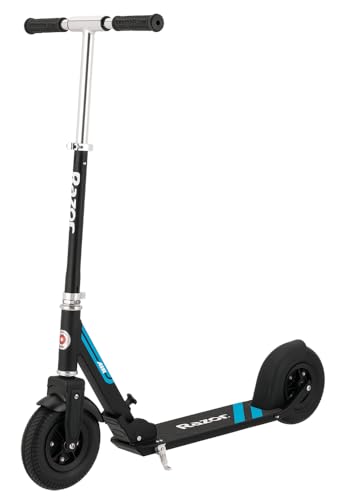 Razor A5 Air Kick Scooter for Kids Ages 8+ - Extra-Long Deck, 8" Pneumatic...
- Super-strong, aluminum frame with patent-pending, anti-rattle handlebars and folding system ensure a...
-
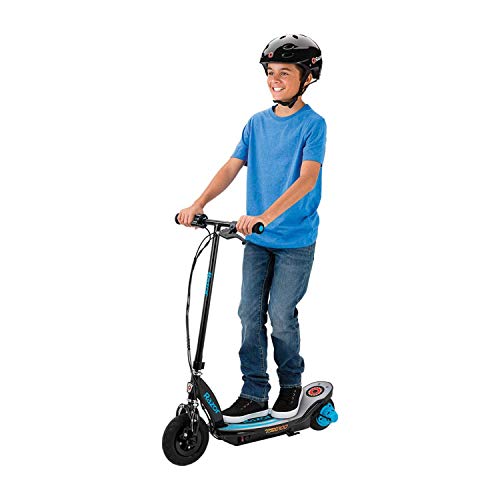 Razor Power Core E100 Electric Scooter - Aluminum Deck - Blue - FFP
- Product Note: Max speed and range per charge vary based on several factors, including: rider weight,...
Practice Makes Perfect
Don’t let the first time you try using a scooter be when you need it in an emergency. Give it a trial run, and in a real-world scenario such as on sidewalks or streets, not just in your backyard or driveway.
Need an excuse to practice? If your friends or family have kids, you can get practice (and tips!) by taking them to the park to ride scooters “for fun” under the guise of wanting to spend time with them.
Thoughts from Survivalist Chick
You’re prepping for worst-case scenarios but the first step in every plan is getting home. That’s where your people are. That’s where your full supplies are. And that’s where you can make your next move from a place of strength.
A fold-up scooter is cheap, quiet, portable, and practical. It gets you home before the streets get dangerous and gives you an edge when every second counts. While others are panicking or stuck on foot, you’re already moving.
Don’t overlook the simple tools that keep you ahead of the crowd. Add a foldable scooter to your emergency plan and stay light, fast, and one step ahead.
You’ve got this.
—Survivalist Chick

15 Tasty Ways to Use Dehydrated Veggies in Survival Meals

How to Cook Without Power: 10 No-Electricity Meal Hacks That Actually Work

20 Things You Should Have in Your First Aid Preps, But Probably Don’t

How to Prepare for Power Outages: A Guide to Staying Safe When the Lights Go Out

How to Pack Your Vehicle for a Fast Evacuation With Kids: Family-Friendly Systems That Work

Beyond Coffee: 11 Caffeine Sources Every Survivalist Should Prep For

15 Easy Ways to Make Plain Rice Taste Amazing (Prepper & Budget-Friendly Hacks)

18 Canned Goods Everyone Should Stockpile for a Prepper Pantry
10 Survival Skills Every Woman Should Know Before the Grid Goes Down

30+ Foods with a Long Shelf Life Every Survivalist Chick Should Stock Up On

- 15 Tasty Ways to Use Dehydrated Veggies in Survival Meals

- How to Cook Without Power: 10 No-Electricity Meal Hacks That Actually Work

- 20 Things You Should Have in Your First Aid Preps, But Probably Don’t

- How to Prepare for Power Outages: A Guide to Staying Safe When the Lights Go Out

- How to Pack Your Vehicle for a Fast Evacuation With Kids: Family-Friendly Systems That Work

- What to Do If Your Bug-Out Vehicle Breaks Down Mid-Evacuation

- Urban Bug-Out by Vehicle: How to Escape a City Fast Without Drawing Attention

- Survivalist Chick Guide: Hobbies That Make You Apocalypse-Ready

- Beyond Coffee: 11 Caffeine Sources Every Survivalist Should Prep For

- 18 Canned Goods Everyone Should Stockpile for a Prepper Pantry

- Bugging Out with Teenagers: Turning Attitude Into Asset
- Survival Tomatoes: The 12 Best Heirloom Varieties to Grow for Canning and Eating


15 Tasty Ways to Use Dehydrated Veggies in Survival Meals
How to Cook Without Power: 10 No-Electricity Meal Hacks That Actually Work
20 Things You Should Have in Your First Aid Preps, But Probably Don’t
Beyond Coffee: 11 Caffeine Sources Every Survivalist Should Prep For
15 Easy Ways to Make Plain Rice Taste Amazing (Prepper & Budget-Friendly Hacks)
18 Canned Goods Everyone Should Stockpile for a Prepper Pantry
-
 Food Storage1 year ago
Beyond Coffee: 11 Caffeine Sources Every Survivalist Should Prep For
-
 Cooking & Recipes1 year ago
15 Easy Ways to Make Plain Rice Taste Amazing (Prepper & Budget-Friendly Hacks)
-
 Food Storage1 year ago
18 Canned Goods Everyone Should Stockpile for a Prepper Pantry
-
Food Storage1 year ago
30+ Foods with a Long Shelf Life Every Survivalist Chick Should Stock Up On
-
 Survival4 years ago
How to use a sillcock water key for emergency water access
-
 Survival Prep Item4 years ago
Can you sterilize sewing thread in boiling water?
-
 Cooking & Recipes1 year ago
15 Tasty Ways to Use Dehydrated Veggies in Survival Meals
-
Food Storage1 year ago
How to Cook Without Power: 10 No-Electricity Meal Hacks That Actually Work